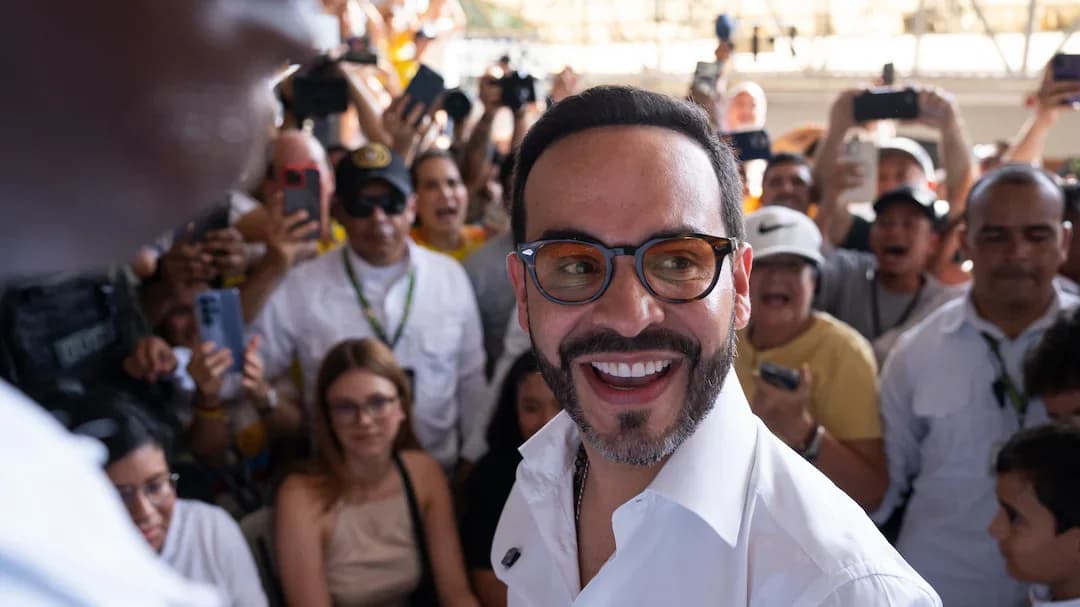
Celebrity lawyer Abelardo de la Espriella unexpectedly topped Colombia's presidential first round with 43.74% of the vote, according to preliminary results with 99.97% of ballots counted. Leftist Senator Iván Cepeda finished second with 40.90%, creating a June 21 runoff between the two candidates separated by less than two percentage points. The difference represents 1.7 million votes, with about 58% of the 41 million eligible voters casting ballots on Sunday. As reported by Reuters, de la Espriella fell short of the 50% threshold needed to win outright, setting up the decisive second round. Prediction markets now give De la Espriella an 81% chance of becoming Colombia's next president compared to 18% for Cepeda, according to Polymarket. Following the results, de la Espriella celebrated the better-than-expected performance and expressed confidence ahead of the runoff, stating 'We advanced to the runoff thanks to the more than 10 million Colombians who answered the roar. In 21 days, we will make history!'
De la Espriella has called on the military and the world to defend the results from what he termed 'miserable delinquents' after President Gustavo Petro and Cepeda questioned the vote results. According to Reuters, he made these statements from a large boat that pulled alongside an esplanade on the Magdalena River in coastal Barranquilla, warning that Petro 'intends to cling to power by disregarding the will of the people.' Petro and Cepeda have both said they would wait for results to be formally reviewed by judges, with Cepeda telling supporters in Bogota that 'irregularities may have occurred at an unknown number of polling stations.' Cepeda accused Ecuador leader Daniel Noboa of interfering by lifting tariffs on Colombian goods after speaking with De la Espriella two days before the vote. De la Espriella has also called on the US to closely watch the runoff results and told supporters in Barranquilla 'We will defend democracy by reason or by force.'
Colombian assets are expected to rally on Monday following the election results, as reported by NDTV. Many investors had feared another leftist administration could run up debt and undermine central bank independence. Dollar bonds gained almost 2% this past week, while yields on peso-denominated notes fell. The country's debt had seen a modest jump in the week ahead of the election as investors were encouraged by signs of De la Espriella's increasing popularity. De la Espriella has pledged to strengthen ties with US President Donald Trump, curb spending, cut taxes and order a military crackdown on cocaine-trafficking militias. Surveys suggest Cepeda will face a much tougher contest in the second round once right-leaning voters no longer have multiple candidates to choose from. The election could shape Colombia's relationship with the United States, one of its closest security and economic partners, with the outcome likely to be closely watched in Washington given Colombia's strategic role in efforts to combat drug trafficking and manage migration flows across the hemisphere.
The election results reveal a clear regional divide, with De la Espriella leading in Medellín and the Santander region, while Cepeda dominates Bogotá, the capital, as well as along the northern Atlantic coast and the Pacific coast. According to France 24, former President Álvaro Uribe's party secured just 6% of the vote with 1,637,690 ballots cast, marking a sharp decline for Uribismo. The runoff will likely hinge on whether De la Espriella can consolidate support from Valencia voters and reach out to centrist voters. The leading candidates have offered different visions for Colombia's relationship with the United States, with Cepeda advocating for a more independent foreign policy and greater Latin American integration, while right-wing candidates Abelardo de la Espriella and Paloma Valencia argue for closer alignment with Washington on security and economic issues. The campaign has unfolded amid heightened concerns about political violence and armed conflict, making security one of the most prominent issues for voters.
At polling stations across Bogota, voters wore Colombia's yellow national soccer team jersey, which became one of the most recognizable symbols of De la Espriella's campaign. As reported by NDTV, Cepeda prevailed in the capital, securing nearly 42% of the vote versus 38% for De la Espriella. The runoff will determine not only Colombia's domestic agenda but also its relationship with the United States and neighboring Venezuela, both of which became recurring themes throughout the campaign. The election is widely viewed as a verdict on the turbulent presidency of Gustavo Petro, who came to power in 2022, and on the future direction of Colombia's political and economic model. Supporters of the government argue that Petro's administration expanded social protections and advanced reforms despite institutional resistance, while critics contend that the government failed to deliver on key promises, particularly in healthcare and security, while economic growth remained sluggish.