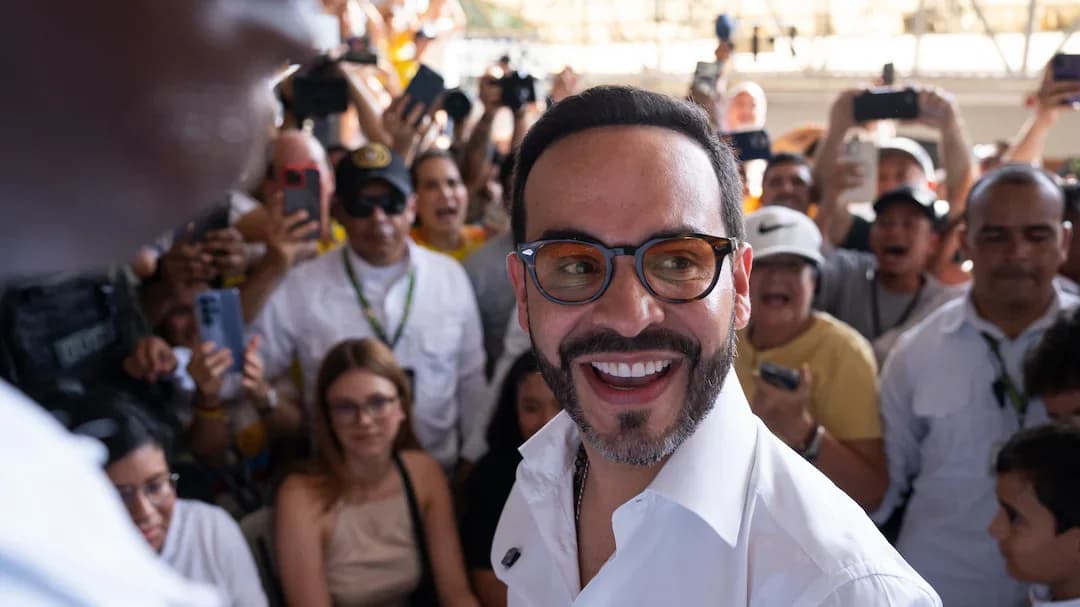
El Salvador's two main opposition parties have named their presidential candidates for the February 2027 election, setting up a direct challenge to President Nayib Bukele's third-term bid and his Bitcoin strategy. The Nationalist Republican Alliance (ARENA) selected former lawmaker Maytee Iraheta, marking a historic first as the party's first all-female ticket with her running mate. The Farabundo Marti National Liberation Front (FMLN) chose physician and union leader Rafael Aguirre. According to reports, neither rival has embraced Bukele's Bitcoin strategy, with both campaigns openly criticizing it as a fiscal failure. The election will determine who governs until 2033.
Bukele's Nuevas Ideas party nominated him this month with Vice President Felix Ulloa as his running mate. His approval rating recently topped 94 percent in one national poll, with crime rather than Bitcoin driving that support. As reported, only 2.2% of Salvadorans identify Bitcoin as Bukele's biggest failure according to recent polling. The political landscape shows ARENA holding just two seats in the Legislative Assembly, while the FMLN has had no representation there since 2024. Neither party has proposed a rival Bitcoin policy, and both would need a broader coalition to challenge Bukele's strategy in Congress.
Following a $1.4 billion International Monetary Fund loan agreement in February 2025, Bitcoin is no longer mandatory legal tender in El Salvador. The government removed the requirement for businesses to accept the token, effectively returning the US dollar to its status as the nation's sole official currency for everyday commerce. According to El Salvador's Bitcoin Office tracker, the government's holdings have climbed to approximately 7,730 BTC as of July 27, up from about 7,700 BTC a month earlier, confirming Bukele's commitment to purchasing one Bitcoin per day. The National Bitcoin Office continues buying roughly one BTC per day, while the government has also boosted its gold reserves in January.

The next president will inherit a Bitcoin reserve exposed to market volatility, with the token trading near $65,300 and down from its October 2025 record above $126,000. As reported, the decline has already erased nearly $300 million from the state's Bitcoin holdings earlier this year. The IMF has repeatedly warned that the Bitcoin push carries fiscal and governance risks, with analysts suggesting that Bitcoin's next move may be tied to pending US regulation rather than El Salvador's domestic politics. The strategy has also been criticized for not measurably improving financial inclusion for unbanked Salvadorans.
The February 2027 election will determine whether El Salvador's Bitcoin accumulation continues or comes to a halt. Both opposition parties have failed to propose rival Bitcoin policies, and neither would have the legislative coalition to challenge Bukele's strategy in Congress. The government has also boosted its gold reserves in January, suggesting a diversified approach to currency reserves despite the Bitcoin strategy. Bitcoin trades near $65,300 with its price outlook for August flagging further swings ahead, meaning the next president inherits a bet still tied to the market's volatility. The next administration will decide whether that accumulation continues or comes to a halt.