Chinese automakers are targeting 18-month development cycles for new models using artificial intelligence, representing a significant acceleration from the current two-year timeline. According to estimates from car designer IAT Automobile Technology and China's Association of Automobile Manufacturers, this compressed timeline would bring Chinese automakers closer to their foreign competitors, who typically require 3-5 years for new model development. This rapid pace has established China as the global benchmark for automotive innovation, forcing legacy brands into an existential fight for market share. As Bill Russo, founder of Automobility Ltd., noted, "Speed has become embedded in the Chinese industry's operating model, and consumers expect rapid product renewal." The market's hyperactive churn is marked by a torrent of new nameplates and updates in the first half of the year, with the hyperactive churn underscoring how deeply speed is embedded in the operating model.
Chinese regulators have launched a year-long safety campaign including unannounced inspections at carmakers to address quality concerns. As reported by industry executives, Zhejiang Geely Holding Group, Great Wall Motor Co., and Chery Automobile Co. have warned that faster development times essentially turn customers into guinea pigs for durability and safety testing. Li Xueyong, vice-president at Chery, emphasized that cars cannot be treated as fast-moving consumer goods, stating they must endure tests of diverse road conditions and climates worldwide. The Ministry of Industry and Information Technology is now announcing inspection results swiftly after visits, with at least five leading automakers inspected in July alone. In a departure from past practice, the ministry is now naming the companies it checks shortly after onsite visits, with visits to Guangzhou Automobile Group Co.'s Aion coming just days after reports of battery failures after 150,000 kilometers. When innovation speeds timelines, steady investing still matters, so claim your free Always Be Buying E-Book today
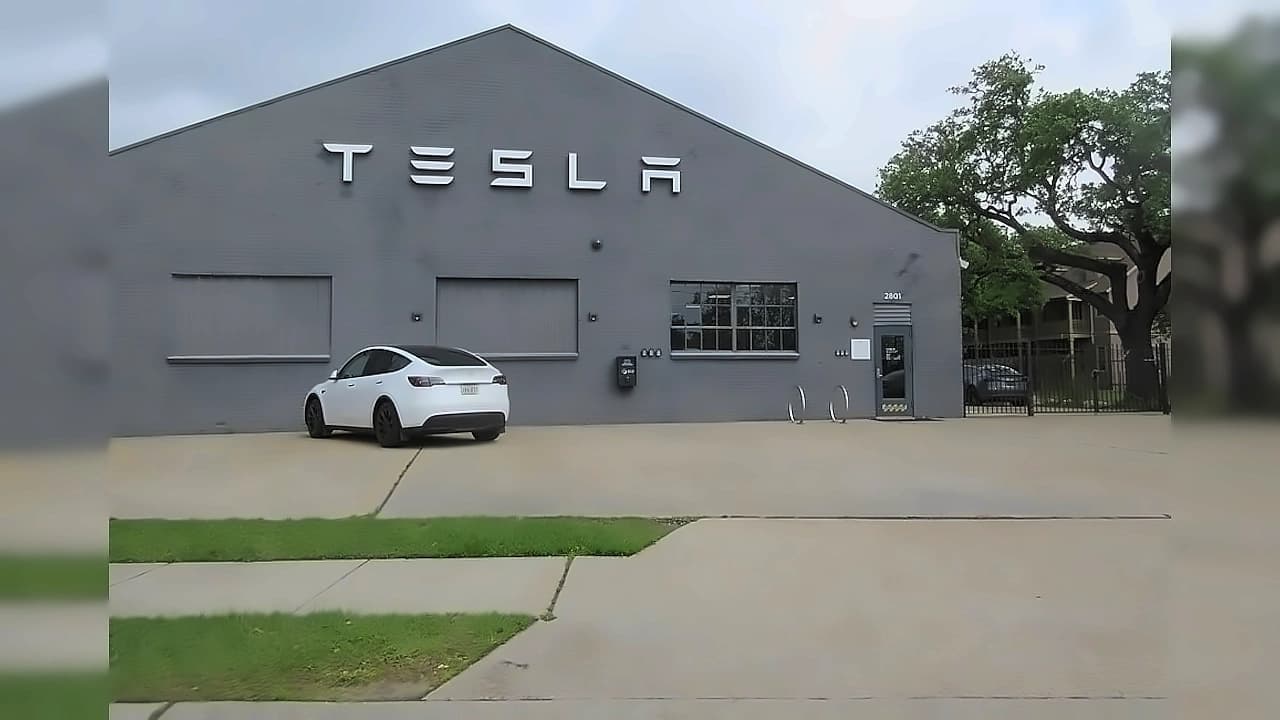
China is implementing stricter safety requirements, including doubling mandatory road testing for new-energy vehicles to 30,000 kilometers (18,640 miles) to address concerns about shortened processes eroding safety standards. The country is conducting its largest vehicle recall ever, with Tesla Inc. and eight other carmakers set to fix more than 4.27 million electric vehicles to meet new door requirements. These measures follow several high-profile fatal accidents that have prompted tighter regulations on batteries, advanced driver-assistance technology, and door handles. The Ministry of Industry and Information Technology is paying close attention to customer complaints online, with officials contacting companies before they manage to arrange replacement parts and coordinate with dealers. An official recall goes out about a month after issues start, as seen with Guangzhou Automobile Group Co.'s Aion brand, which is repairing or replacing batteries for free after battery failures at 150,000 kilometers. Li Xueyong from Chery emphasized that "Cars aren't fast-moving consumer goods. They touch the safety of millions of families and must endure the test of diverse road conditions, climates, and driving habits worldwide."
Industry experts acknowledge the conflict between speed expectations and safety requirements. Bill Russo from Automobility Ltd. noted that regulators are signaling that "safety-critical hardware and new technologies need stronger validation before being put into customers' hands." Zhejiang Geely Holding Group Chairman Li Shufu stated during a June 20 CCTV interview that slowing down might be too difficult, as everyone is competing to get ahead in the market. "I think it's not really possible to ask anyone to slow down. Everyone's in a race to get in front," he said. Meeting the stricter standards also risks splitting the industry further, with smaller companies that have relied heavily on speed potentially finding it harder to keep pace with larger, better-capitalized manufacturers. However, Lu Fang from Dongfeng Motor Corp. argued that if a car is developed quickly and completes all required testing, it's just demonstration of efficiency. Yale Zhang from Automotive Foresight emphasized that while AI can reduce design errors and improve accuracy, "baselines such as the 30,000-kilometer or 50,000-kilometer on-road testing can't be replaced and shouldn't be replaced."
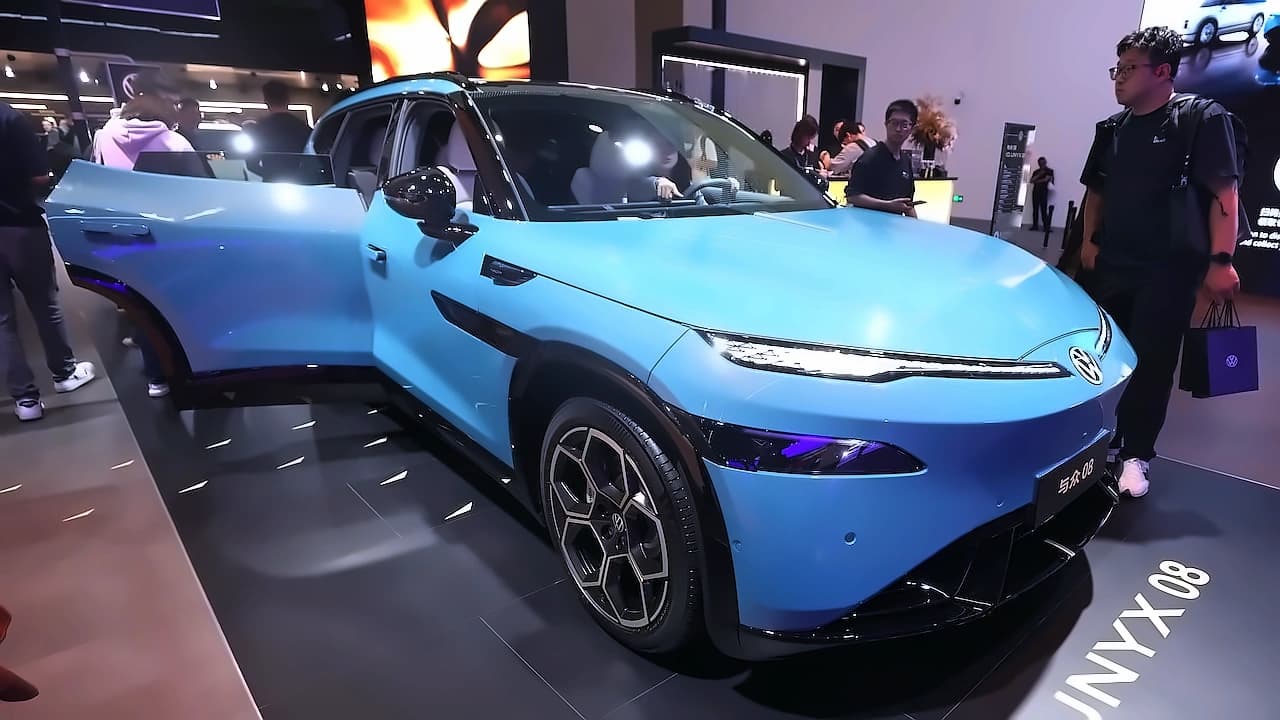
Despite regulatory pressures, Chinese automakers maintain advantages through greater AI adoption and technological integration. Xuan Qiwu, CEO of IAT, believes Chinese carmakers will retain leadership over foreign rivals due to superior AI implementation. Volkswagen AG has developed the ID.UNYX 08 electric SUV in 24 months using AI and virtual reality technology, while Renault SA achieved a company record with the Twingo E-Tech developed in 21 months in China. Toyota Motor Corp. is trying to speed up its cycle that usually takes three to five years for model changes, including developing new automotive platforms and vehicles in tandem rather than consecutively. However, the safety push is likely to come into conflict with the frenetic pace of the industry that saw China's auto market flooded with hundreds of model launches and refreshes in the first half. Bill Russo from Automobility Ltd. noted that the inspection campaign "could force companies to be more disciplined about where they compress time. They can continue moving quickly in software, digital features and areas that can be thoroughly validated through simulation, but regulators are clearly signaling that safety-critical hardware and new technologies need stronger validation before being put into customers' hands."