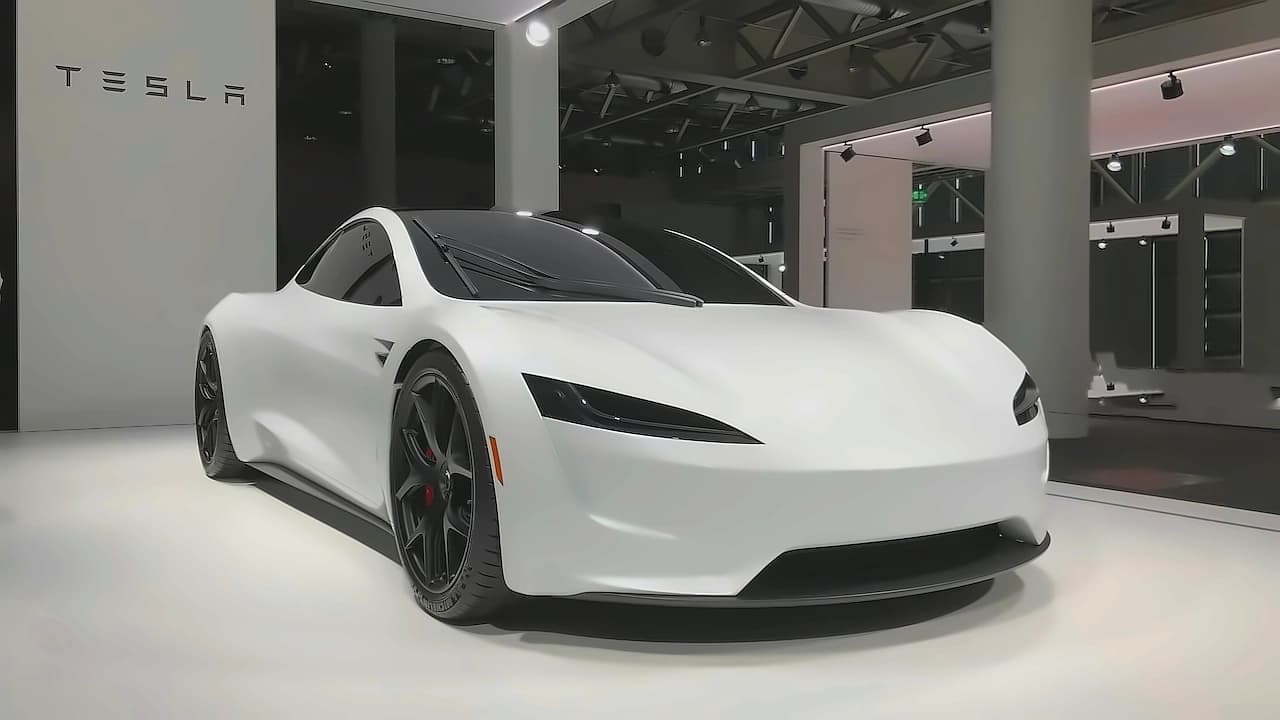
Tesla has submitted self-published safety figures to European regulators as part of its effort to secure European certification for its 'Full Self-Driving' (FSD) technology. According to reports from Reuters, the electric vehicle maker began the FSD approval process in late 2024 by approaching RDW (Dienst Wegverkeer), the Dutch road regulator. In a letter to RDW in November 2024, Tesla stated that increased use of FSD "leads to safer roads" and included a link to its safety report. The Dutch regulator RDW authorised the use of FSD in the Netherlands in April after more than a year of testing and discussions with Tesla. Following this approval, Tesla policy manager Ivan Komusanac contacted Swedish regulators seeking similar authorisation for FSD, as documented through correspondence reviewed by Reuters. However, recent investigations have revealed that Tesla presented inflated safety data during this approval process, prompting calls for independent audits and transparency before EU-wide approval.
As reported by Reuters, Tesla CEO Elon Musk and other company executives have increasingly cited statistics suggesting that vehicles using FSD are up to ten times safer than human drivers. However, Reuters found that several of the comparisons underpinning these claims were flawed and may have overstated the system's safety benefits. The presentation to Swedish regulators included a claim that vehicles using FSD could travel more than seven times farther between crashes than the average U.S. driver. The presentation also stated that wider adoption of FSD could have prevented 1.9 million injuries and saved 32,000 lives. Documents obtained through public records requests showed that Tesla shared these statistics with European regulators during the approval process. However, investigations conducted in recent months have revealed that these figures are greatly inflated due to the assumption that every American driver would be replaced by an FSD Tesla vehicle and that each such vehicle would be at least seven times safer than the vehicle it would replace.
According to Reuters analysis, Tesla's comparison was based on crash rates involving FSD-equipped vehicles where airbags were deployed, compared with overall U.S. crash rates that include many less severe incidents. Researchers told Reuters that such comparisons could overstate the technology's safety performance. Additionally, Reuters noted that Tesla compares its vehicles with the average U.S. vehicle fleet, which is significantly older than the average Tesla. Since newer vehicles generally incorporate more advanced safety technologies, researchers said such comparisons may skew the results in Tesla's favour. The investigation also found that Tesla compares the crash frequency of FSD-equipped vehicles where airbags deploy with the overall crash rate in the United States, which includes many less serious crashes. Anders Eriksson, a researcher at the Swedish Transport Agency, noted that regulators will weigh the full evidentiary base, not just the headline numbers. The European Council on Transport Safety representative told Reuters that these figures are "very misleading, because they are based on the unrealistic assumption that every car in the United States would be replaced by a Tesla with FSD."
RDW stated that it "does not rely on marketing claims or external statistics" when making regulatory decisions and instead conducts its own tests, analyses and verifications on public roads and test tracks. According to RDW, Tesla "collected a lot of data" during the testing process and the regulator "validated, tested and audited all of this data." However, RDW did not specify the exact nature of the information collected or reviewed. Separately, several Tesla owners cited the company's safety report in correspondence with Norwegian traffic authorities, with one submission arguing that FSD could "reduce traffic accidents by up to 90%." Stein-Helge Mundal of the Norwegian Public Roads Administration said Tesla's figures were "self-produced" and it was "difficult to find correlation with the authorities' accident statistics." In response to the safety concerns, the European Council on Transport Safety told Reuters that detailed data should be verified by independent experts, and that the headline figures should not be used as the basis for conclusions about the safety of the system. The representative stressed that, in the case of any safety claims, data should be transparently and independently validated.
In the coming months, regulators in member states covering about 55% of the EU population are set to vote for or against FSD approval at the bloc level. However, individual countries may implement FSD use on their territory autonomously. Greece, which has expressed its intention to back FSD, cited data from another part of the world as the basis for assessing the system's safety, though the Greek Ministry of Transport declined to answer questions about the reliability of this data. The company believes that approval of FSD in Europe is key to growing sales in the region, as Tesla is currently trying to restore its market position after a wave of criticism and protests related to Elon Musk's activity on Europe's political stage. In the absence of EU approval, it could be harder to compete with Chinese electric-vehicle manufacturers that steadily increase their presence on the continent. The regulatory process in Europe requires transparency and independent verification of data, with the current situation underscoring the need for rigorous data verification and maintaining public trust in the safety of autonomous systems.