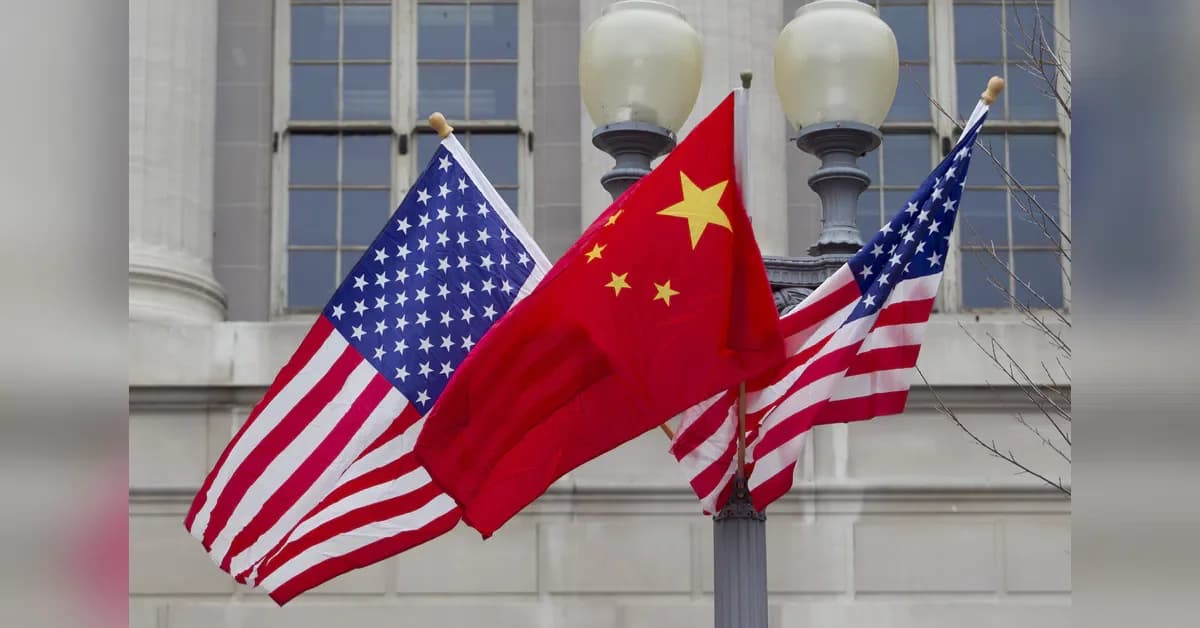
According to the Pew Research Center survey conducted from February 8 to May 13, 2026, China is viewed more favorably than the US in 20 out of 37 countries surveyed, with the U.S. viewed significantly more positively than China in just six countries: Poland, the Philippines, South Korea, India, Japan and Israel. The poll found that views in 34 out of 37 countries and territories are more favorable of Chinese leader Xi Jinping than US President Donald Trump, including in Canada, Mexico and major European powers including France, Germany and the UK. This marks the first time in roughly 20 years that Pew has tracked global opinions that China has been viewed more positively than the US, as reported by Business Standard. The survey of more than 42,151 people across 37 countries reveals that a median of 51% have a favorable view of China, while 39% have an unfavorable view, with opinions generally positive in sub-Saharan Africa and Latin America, and somewhat more negative in Europe and North America.
The survey reveals significant regional variations in China's favorability ratings, with Canadian views having shifted dramatically, with 44% of Canadians holding positive views of China, up from just 14% in 2023, while favorable opinions of the US dropped from 57% to just 33% over the same period. Major European countries including France, Germany, Spain, Italy, Sweden, the Netherlands and Italy have also switched their opinions toward the world's two largest economies. The wealth divide is particularly stark, with nine-in-ten Pakistanis seeing China favorably compared with just 11% of Japanese adults, while younger people in most countries tend to have more favorable views of China than older people. The gap in sentiment can be staggering, with differences of 75, 56 and 43 points between China and US ratings in Pakistan, Malaysia and Indonesia, respectively, all three countries having been affected by Trump's trade war. In several nations that neighbor China – India, the Philippines and Japan – Trump receives higher ratings than Xi, while South Koreans now view the two leaders similarly, reflecting a dramatic shift from last year when that public was around twice as confident in Trump (33%) as in Xi (15%).
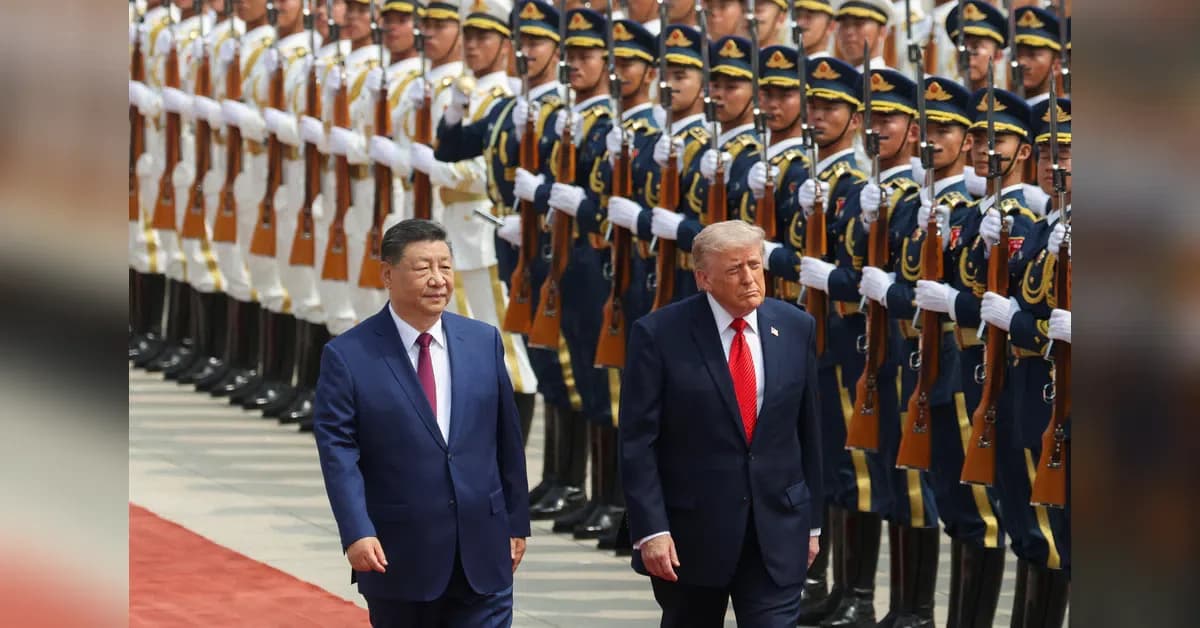
As reported by Pew Research Center, the shift follows the Covid-19 pandemic becoming a distant issue and as global views of the US have soured. Laura Silver, associate director of Pew's Global Attitudes Research, explained that there was just an actual relationship between the outbreak of the war and the sense that the US is just not contributing to peace and stability and that people have less confidence in Donald Trump. Trump's demands to control Greenland, the American military raid that captured Venezuela's then-leader Nicolas Maduro, and the US handling of the Israeli-Hamas war in Gaza have led to low approval in many countries, according to the research. Silver noted that the U.S. has done a lot in terms of global engagement in recent months to years that is not being perceived positively internationally. The deteriorating US image has been a key factor in China's improved global standing, with just 21% of respondents saying they had confidence that Trump would 'do the right thing regarding world affairs,' compared with 54% for his predecessor Joe Biden. The US-led war in Iran, which began during the survey period, has also contributed to the shift, as Beijing sought to portray itself as a stabilizing force while the conflict threatened to disrupt the global economy.
According to the latest Pew survey, confidence in Chinese President Xi Jinping to do the right thing regarding world affairs is significantly higher than confidence in Trump in nearly two dozen countries. While around half or more of the public view him positively in 11 of the 37 countries surveyed, this represents a substantial improvement from previous years. Confidence in Xi is highest in Pakistan and lowest in Japan and Israel, with positive views of his leadership less common in wealthier countries. The survey found that just more than 30% said they trusted Chinese President Xi Jinping, up from 25% last year, while around half or more of the public view him positively in 11 of the 37 countries surveyed. Despite recent shifts in his favor, ratings for Xi remain relatively low, though they have increased in recent years in many places, including Argentina, Indonesia, Kenya, Mexico and South Africa. In European countries, Xi leads Trump by double digits in Germany, Greece, Italy, the Netherlands, Spain, Sweden and the United Kingdom, though his highest favorability rating is just 37% from the UK.
A significant shift has occurred in perceptions of personal freedoms, with people in nearly every country surveyed becoming less likely to say the U.S. government respects its people's personal freedoms since the last survey in 2021. In Sweden, for example, the percentage saying the U.S. respects personal freedoms has declined from 61% in 2021 to 27% today, with similar drops of 25 percentage points or more in Canada, France, Germany, Italy, the Netherlands, South Korea and Spain. A median of 75% say that the U.S. interferes in the affairs of other countries a great deal or a fair amount, while 45% say the same of China. In nearly every country surveyed, more people see the U.S. as an interferer than China. In South Africa, 72% say China is a reliable partner to their country, while 46% say the same of the U.S., with 64% saying China accounts for the interests of countries like their own in making international policy decisions compared to 42% for the U.S.. In 17 middle-income countries, people raise more concerns about the United States' foreign policy than China's, with shares ranging from 68% in Sri Lanka to 19% in Turkey saying China interferes in other countries. However, an area the US continues to get better ratings than China is its respect for personal freedom, though that gap is also narrowing.