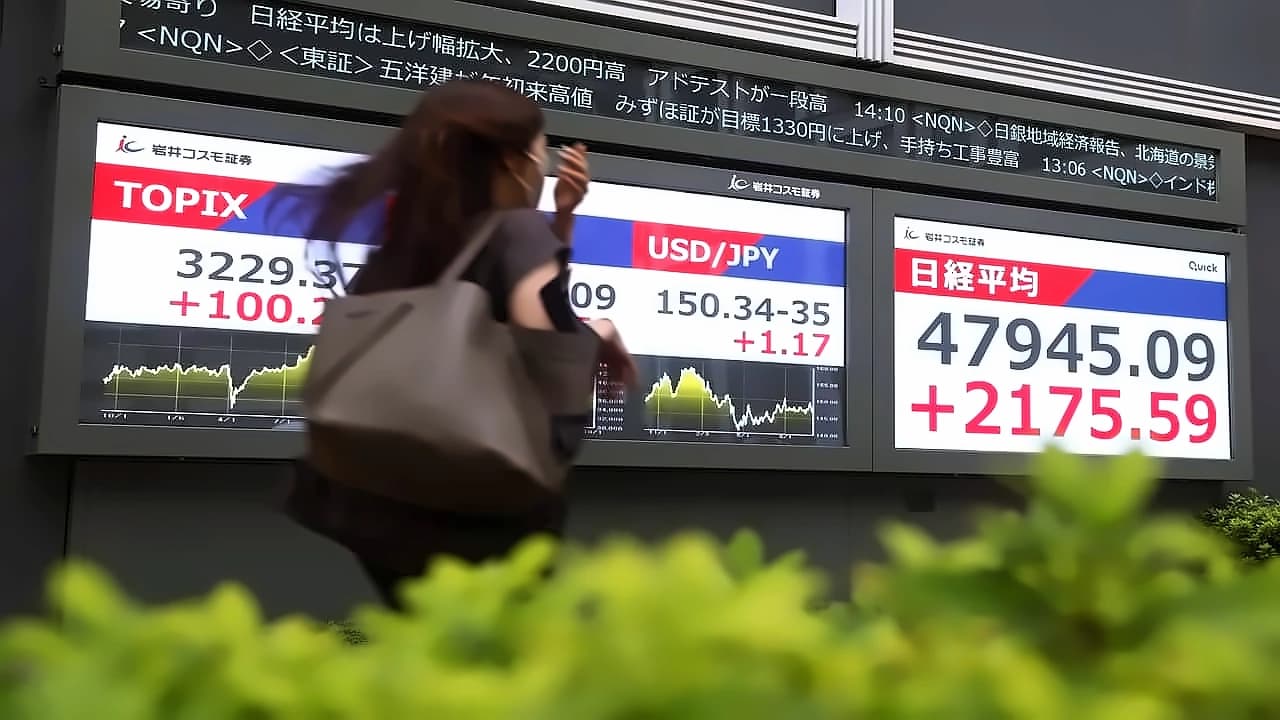
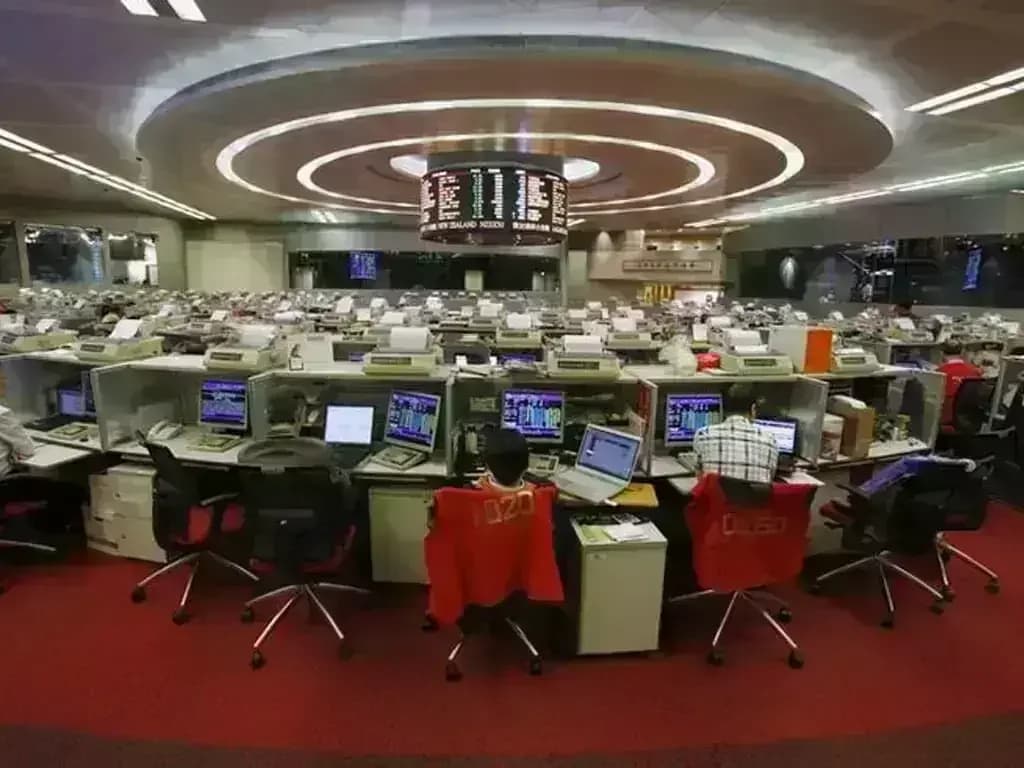
Asian markets demonstrated exceptional strength on Thursday, with South Korea's Kospi surging 5.24% and Japan's Nikkei 225 advancing 2.38% in early trading. According to latest reports, the rally was driven by easing geopolitical tensions in the Middle East and improving global market sentiment. Australia's ASX 200 edged 0.36% lower as the positive momentum was concentrated in South Korean and Japanese markets. The surge came after Iranian officials flagged some progress in quadrilateral peace talks held with the U.S. in Switzerland on Sunday, which helped dispel concerns over strained U.S.-Iran ties after President Trump threatened to renew attacks. U.S. equity futures also indicated a firmer start, with Nasdaq 100 futures rising 1.9% and S&P 500 futures adding 0.5%, following mixed overnight Wall Street performance where the Dow Jones gained 0.35% while technology stocks pulled the S&P 500 down 0.10%.
The latest developments show at least 20 oil tankers carrying around 35 million barrels of crude had passed through the Strait of Hormuz following an agreement between the U.S. and Iran to reopen the key shipping lane. This breakthrough has significantly reduced energy supply risks that had previously weighed on market sentiment. Crude prices continued to retreat as Brent crude traded close to $73 a barrel after dropping 4.3% in the previous session, leaving it less than $1 above its closing level before the Middle East conflict began. U.S. West Texas Intermediate crude slipped below $70 a barrel, with market participants pointing to growing crude availability from Middle Eastern and African producers that has increased supply in the physical market and reduced fears of shortages. The positive tone in futures followed the mixed overnight session on Wall Street, where technology stocks had pulled indices lower despite broader market gains.
Chinese markets traded higher with the Shanghai Shenzhen CSI 300 rising 0.7% and the Shanghai Composite adding 0.2%, as investors looked for further signs of policy support from Beijing and monitored upcoming economic data. As reported by Business Standard, China's stock market demonstrated resilience as investors maintained positive sentiment despite the rate pause by policymakers. Market participants focused on signs of improving corporate earnings and expectations of further policy support from authorities. The rally reflects growing confidence in the country's economic fundamentals and corporate performance outlook, with Bank of China, Kweichow Moutai, CATL, and NAURA Technology among the top performers. This policy direction has contributed to the sustained positive market momentum despite the current rate pause.
Technology shares continued to find strong support from optimism surrounding artificial intelligence-linked demand, with chipmaking names in Japan advancing on continued optimism that the sector will emerge as a clear winner from the artificial intelligence trade. According to Investing.com, SK Hynix Inc surged nearly 6% and overtook Samsung Electronics Co Ltd to become South Korea's most valuable company. The performance of technology stocks reflects investor confidence in the sector's growth potential, particularly as companies with AI exposure benefit from the ongoing technological transformation. Among the top performers in China were Bank of China, Kweichow Moutai, CATL, and NAURA Technology, demonstrating broad-based strength across major sectors.
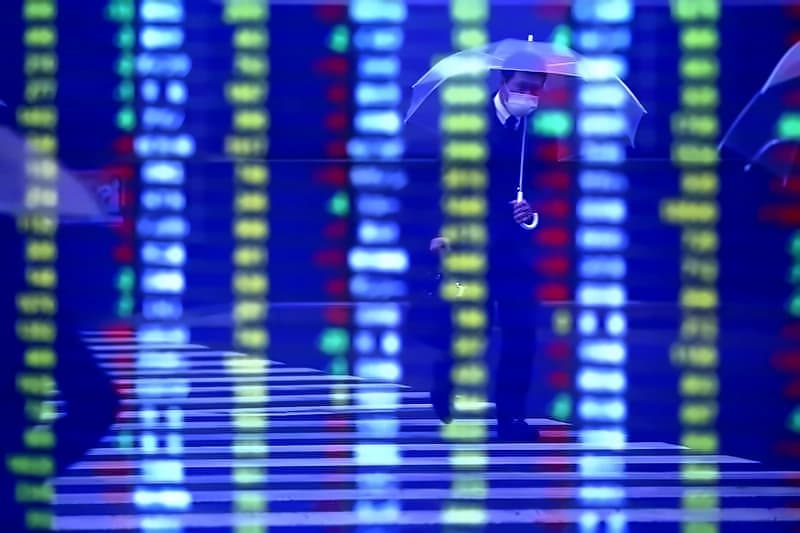
Market sentiment remained buoyant as investors anticipated additional policy measures from Chinese authorities. As reported by Business Standard, the focus shifted toward efforts to reduce excessive competition across various industries, which could support corporate profitability and growth prospects. This policy direction has contributed to the sustained positive market momentum despite the current rate pause. The positive sentiment was further supported by Iranian officials' comments about progress in peace talks, which helped ease geopolitical tensions that had previously weighed on market confidence. Despite concerns over Middle East tensions and mixed domestic economic data, buying interest strengthened across major sectors as investors focused on the growing overseas revenue contributions from Chinese companies, which provided additional support for market confidence.