Russia has confirmed that gasoline imported from India is produced by Nayara Energy, with the identity of the supplier now officially disclosed after initial reports from Reuters that did not name the specific refiner. According to The Times of India, Russia reportedly bought gasoline produced by Nayara Energy through international traders as it deals with fuel shortages caused by Ukrainian attacks on its energy infrastructure. Nayara Energy, in which Russian oil giant Rosneft owns a 49% stake, has not yet confirmed this development, though the refiner has been relying on traders to source crude and export refined fuels since the European Union imposed sanctions on Nayara last July. The refiner's 400,000-barrels-per-day refinery at Vadinar in Gujarat now processes only Russian crude after other suppliers withdrew following the sanctions, making it a crucial supplier for the current fuel imports.
Russian President Vladimir Putin has officially acknowledged what outside experts and regional officials have long suspected: Russia is experiencing significant fuel shortages and long lines at gas stations. Speaking at a meeting of senior officials of the ruling United Russia party on June 28, Putin admitted that 'problems for drivers and for businesses persist' and that 'unfortunately, there are still queues at petrol stations, and finding the right grade of petrol isn't always easy.' In a subsequent interview published by the Kremlin, Putin attempted to downplay the severity, stating that while 'these attacks on our infrastructure facilities create problems, that's obvious,' the current shortage is 'not critical' and 'temporary.' The president emphasized that 'we have to reduce to a minimum the impact of terrorist attacks on our civilian targets and infrastructure,' apparently referring to Ukrainian drone strikes deep inside Russian territory against crucial energy infrastructure.
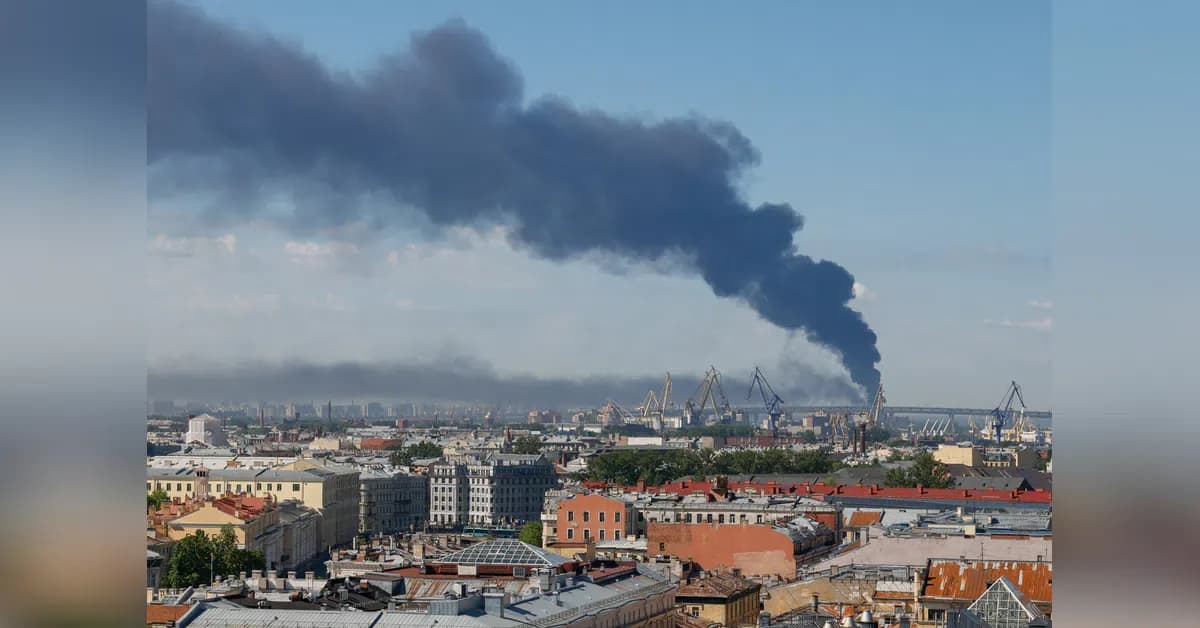
Ukrainian drone strikes on Russian energy infrastructure have intensified significantly, with at least 50 reported attacks on Russian oil refineries, depots, terminals and other energy infrastructure since late March, according to an analysis by The Associated Press. The latest attack struck St Petersburg's Kirovsky district on Saturday, with Governor Alexander Beglov confirming that air defences shot down 72 Ukrainian drones across Russia's second-largest city and the surrounding region. Ukrainian President Volodymyr Zelenskyy described these operations as part of efforts to 'weaken Russia's ability to wage this war,' with Ukrainian forces also hitting a military target on the island of Kronstadt, just off the coast of St Petersburg. A recent Ukrainian drone strike killed one person and sparked a fire in the Slavyansk oil refinery in Krasnodar region, approximately 300 kilometers from the front line, while another strike reached a refinery in the Yaroslavl region, approximately 700 kilometers from the border. These attacks have created the supply disruptions that necessitated Russia's temporary quality relaxation measures.
In response to the escalating crisis, Moscow is implementing several emergency measures to stabilize the domestic fuel market. Putin announced that the need to introduce a complete ban on the export of diesel fuel is being considered, which would be a significant departure for the normally energy-rich country. The government has restricted exports of gasoline and aviation fuel and is considering limiting diesel exports as well, as reported by The Times of India. Kremlin spokesman Dmitry Peskov said Russia was also exploring fuel imports from other countries to help 'stabilise the market' and reduce panic-buying. Additionally, authorities are considering prioritizing fuel supplies for agriculture as part of the broader strategy to maintain essential services during the crisis. To cushion the impact, Russia's parliament last week approved amendments to the country's tax code that provide subsidies for fuel imports, with the subsidies linked to Indian delivery costs and fuel prices, making imports from India more economically viable.
Russia's fuel production has suffered a severe blow from the sustained Ukrainian attacks, with crude processing falling 25% year-on-year to 3.95 million barrels per day in June, the lowest level in more than two decades, according to Energy Intelligence analyst Gary Peach. Gasoline production dropped 17% to about 850,000 barrels per day from 1.03 million barrels a year earlier. Chris Weafer, CEO of Macro-Advisory Ltd., estimated that about one-third of Russia's refining capacity is currently offline, citing industry sources. Weafer noted that the agricultural harvest season is increasing fuel demand at a very critical time, making the shortages particularly challenging for the Russian economy. Despite the shortages, Putin said Russia's gasoline reserves are only 4% lower than a year ago, though analysts warn that fuel stocks remain unevenly distributed and will take several weeks to redistribute from where they are to where they're needed. Russia consumes at least 110,000 tonnes of gasoline daily during the summer months when seasonal demand peaks.
The fuel shortages have brought the impact of the war closer to ordinary Russians, with fuel rationing introduced in more than half of Russia's regions by late June, according to The Times of India. Authorities have limited purchases and, in some cities, provided temporary facilities for motorists waiting in long queues. The shortages have also spread to Siberian regions, although refineries there have not been directly attacked, with local authorities in Irkutsk introducing measures to manage long queues and public transport fares raised due to higher fuel costs. Putin claimed that 'we are now utilizing gasoline reserves' and vowed that July production levels should be above those recorded in June, while a task force on fuel supplies is reportedly working round the clock to address the crisis. Belarus has already stepped up shipments, with rail deliveries of gasoline to Russia in the first half of June rising to more than 70,000 tonnes, which is nearly three times the volume supplied during the first half of May, according to Reuters calculations and industry sources. Analysts warn that repairs to damaged refineries will be slow because many specialized components are imported and difficult to replace under Western sanctions, with Peach predicting that some facilities may not be fully repaired until there is a ceasefire because they risk being targeted again.