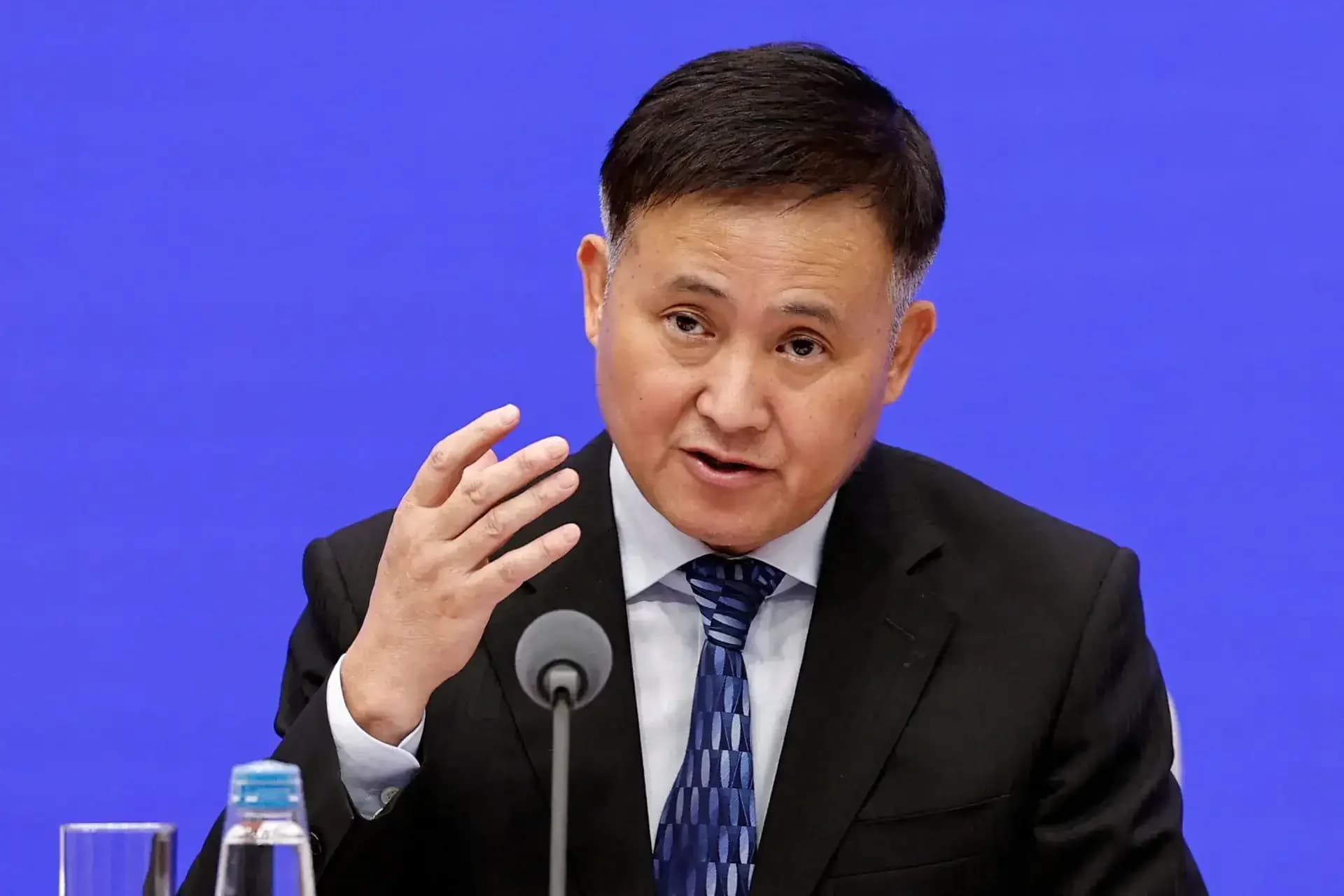
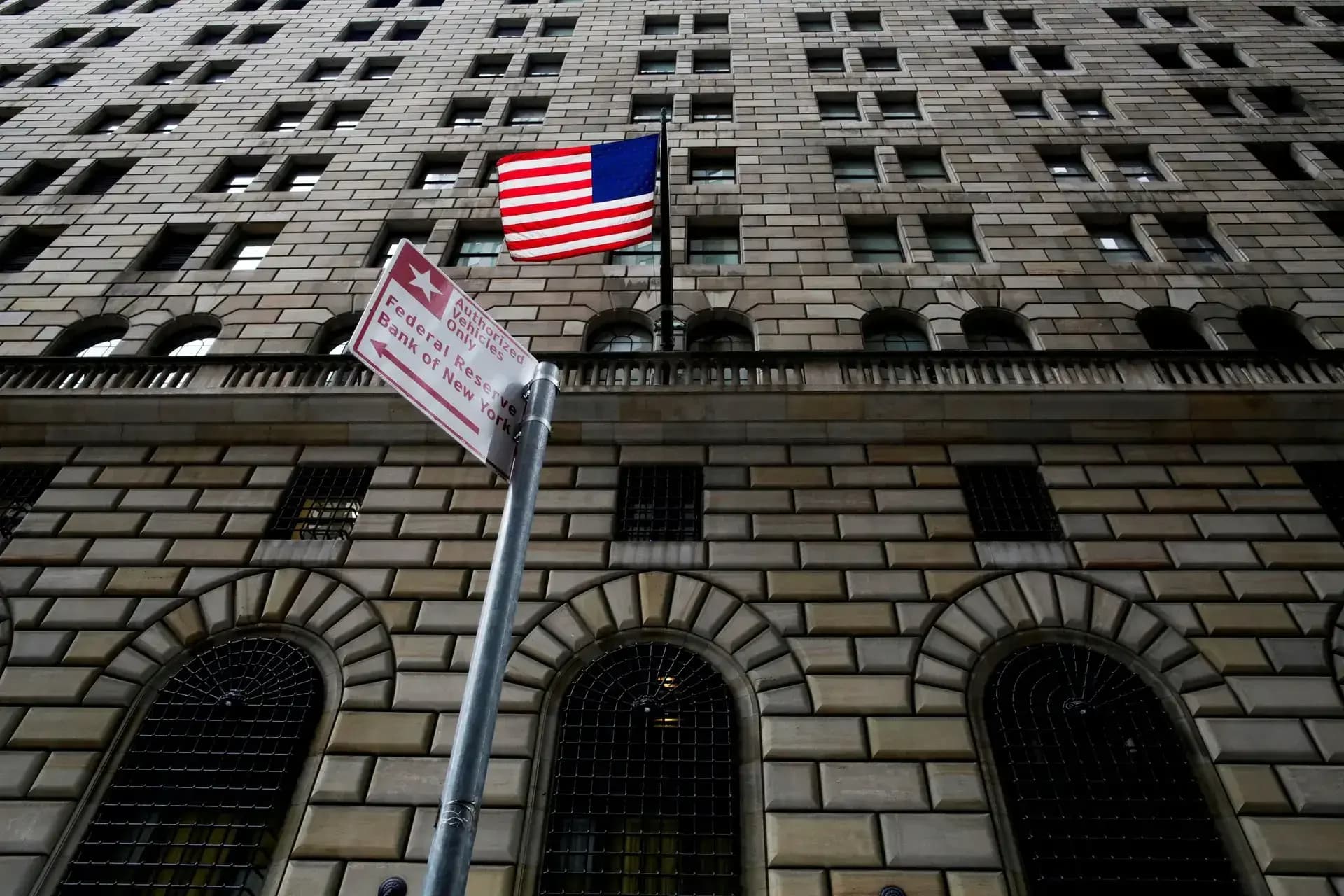
The global 'super central bank week' concluded with major central banks taking divergent paths. The U.S. Federal Reserve raised rates by a quarter point to 3.75%-4%, marking its first hike since July 2023 with all 12 voting members in favor, as reported by BigGo Finance. Meanwhile, the Bank of Japan followed suit with its second hike since June, bringing rates to 1.25% - the highest level in 31 years since 1995. In contrast, Taiwan's Central Bank held rates steady for the tenth consecutive meeting, keeping discount, secured loan accommodation, and short-term accommodation rates at 2%, 2.375%, and 4.25% respectively. Governor Yang Chin-long emphasized that "we are charting our own path" as economic conditions differ among countries.

China maintained its benchmark lending rates unchanged for the 16th consecutive month in September, meeting market expectations as reported by Business Standard. The one-year loan prime rate (LPR) remained at 3.00%, while the five-year LPR stayed at 3.50%. According to a Reuters survey, all 21 market participants forecasted no change to either rate, indicating strong consensus among financial institutions. This continued stability reflects China's cautious approach amid shifting global monetary policy landscape, with the Federal Reserve raising rates and flagging more hikes in coming months.
Taiwan's Central Bank surprised markets by holding rates while simultaneously easing two selective credit controls on the property market. The central bank raised the loan-to-value cap on natural persons' second-home mortgages from 60% to 70% and scrapped the 18-month construction deadline requirement on developers' land acquisition loans, effective September 18. Governor Yang explained that "we are employing a 'quantity-based' monetary policy approach since 2024" rather than relying solely on rate adjustments. With first-half economic growth reaching 14.15% and full-year growth projected at 11.48%, the central bank has deployed monetary aggregates and credit controls as preemptive tools. Real estate loans as a share of total bank lending have fallen from a peak of 37.61% at end-June 2024 to 34.44% at end-July this year.
Taiwan's exceptional economic performance continues with first-half growth reaching 14.15% and full-year growth projected at 11.48%, as reported by BigGo Finance. However, Governor Yang noted that "the economy shows K-shaped divergence, with conditions hot externally, lukewarm domestically." The central bank estimates CPI and core CPI growth next year at 1.83% and 1.89% respectively, meaning "the central bank still has time to observe." Taiwan's exports in the first eight months rose 44.2% year-over-year to $574.34 billion, with exports to the United States up 53.9% to $180.3 billion. The trade surplus with the U.S. reached $140.7 billion - a record high for the period, creating potential pressure from the Trump administration.
Market analysts suggest limited scope for monetary easing ahead, with Serena Zhou from Mizuho Securities stating that unless domestic demand weakens materially, the likelihood of broad-based monetary easing in Q4 has diminished. Jacqueline Rong from BNP Paribas noted that China is in the late stage of its rate-cutting cycle. The widening Taiwan-U.S. interest rate differential could create depreciation pressure on the New Taiwan dollar, though the upside includes improved competitiveness of Taiwanese exports. Governor Yang emphasized that the central bank would monitor domestic inflation developments, monetary policy in major economies, and domestic financial conditions before deciding on future rate moves.