Central banks are facing mounting pressure from volatile financial markets as oil prices have fallen 14% since last week's close, natural gas has dropped 16%, and the Nasdaq has declined more than 6%. According to market analysis from Investing.com India, this creates an awkward backdrop for the Bank of England's first rate hike since the Iran war. The market is showing clear doubts about monetary policy direction, with neither an ECB nor Fed hike fully priced in for December, while the probability of a Fed hike has fallen to 70%. Rates priced one year ahead have dropped almost 50 basis points in both dollars and euros since late September.
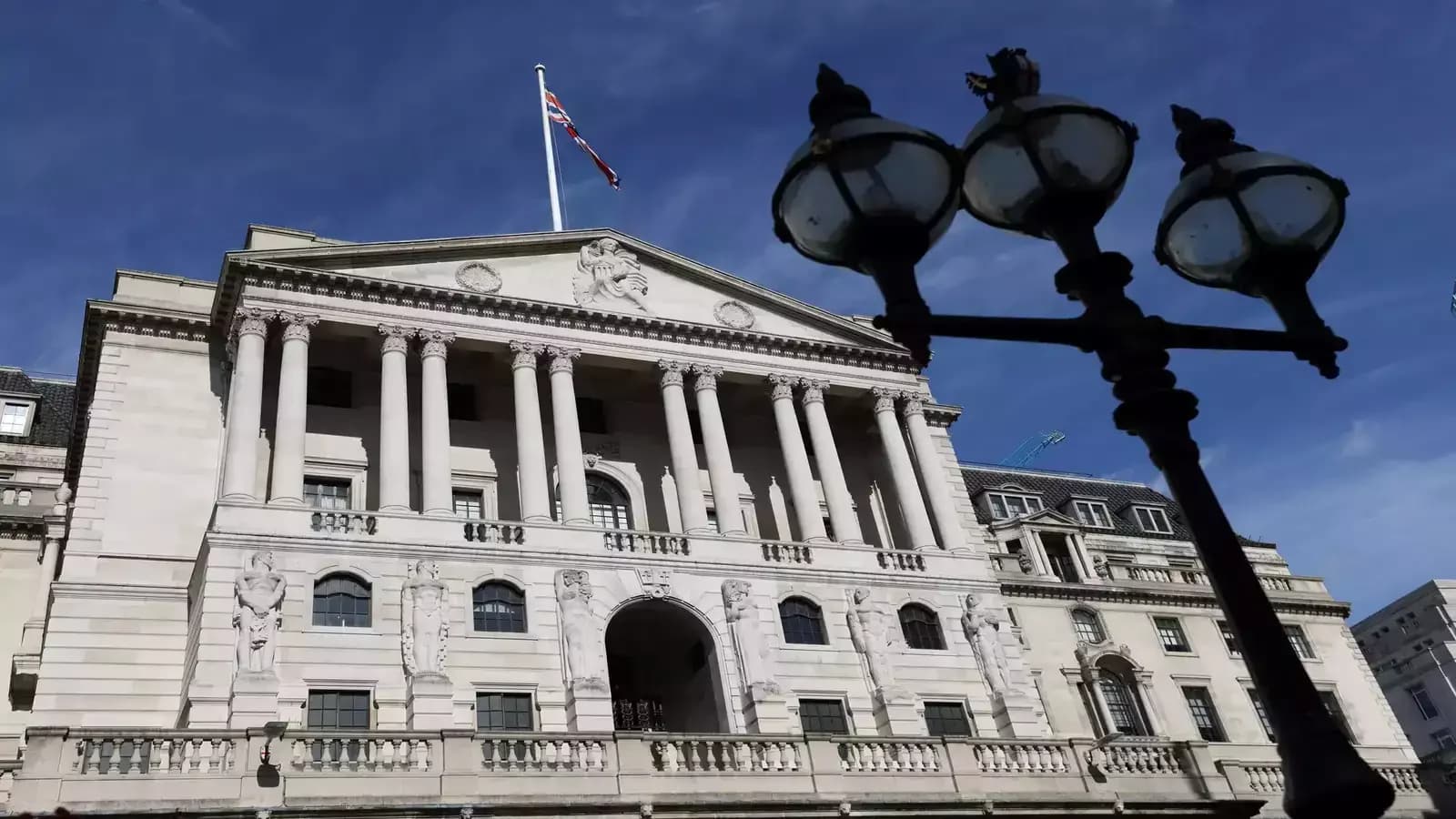
Bank of England Governor Andrew Bailey argued this week that focusing only on energy price levels is too simplistic when officials meet in December. As reported by Investing.com India, what matters more is the risk of further geopolitical escalation, even if prices fall. The energy crisis has reached sufficient longevity to ensure inflation remains elevated, with Eurozone producer price inflation topping 11% in September. In the UK, energy is expected to contribute more than one percentage point to inflation right through to next summer unless conditions change dramatically.
Despite the recent market corrections, inflation remains a key concern for central banks. According to the analysis, core inflation in the US remains too hot for the Fed, with six-month annualized rates of both main inflation measures around 3%. The Bank of England's breakdown suggests it is taking little comfort from recent data outturns, arguing that longer energy-price fixes may simply be delaying the impact on firms and price pressures. The absence of second-round effects so far may not be sufficient to reassure policymakers about potential inflation spillovers across Europe's inflation basket.
Despite market volatility, economic growth continues to show resilience across developed markets. As reported by Investing.com India, data centre investment and surging professional services output in the UK are expected to account for more than half of next week's third quarter growth, despite representing only 14% of GDP. In the US, resilience has been obvious for several quarters, with investment tailwinds expected to continue despite recent AI and midterm concerns. The analysis suggests it will take more than a few weak releases to seriously question the resilience displayed across developed economies.
Financial market corrections, particularly in AI stocks, could significantly impact central bank policy decisions. According to the analysis, Warsh has rationalized Fed rate hikes through loose financial conditions, which are now changing with the AI stock rout. A much deeper correction could raise serious doubts about another December hike. For the ECB, it would presumably require the French situation to deteriorate significantly to disrupt December hike plans. Despite the roller coaster week, central banks are expected to take more convincing evidence before altering their current policy trajectories. The IMF has also cautioned against prematurely relaxing monetary conditions, with managing director Kristalina Georgieva urging policymakers to remain focused on price stability.