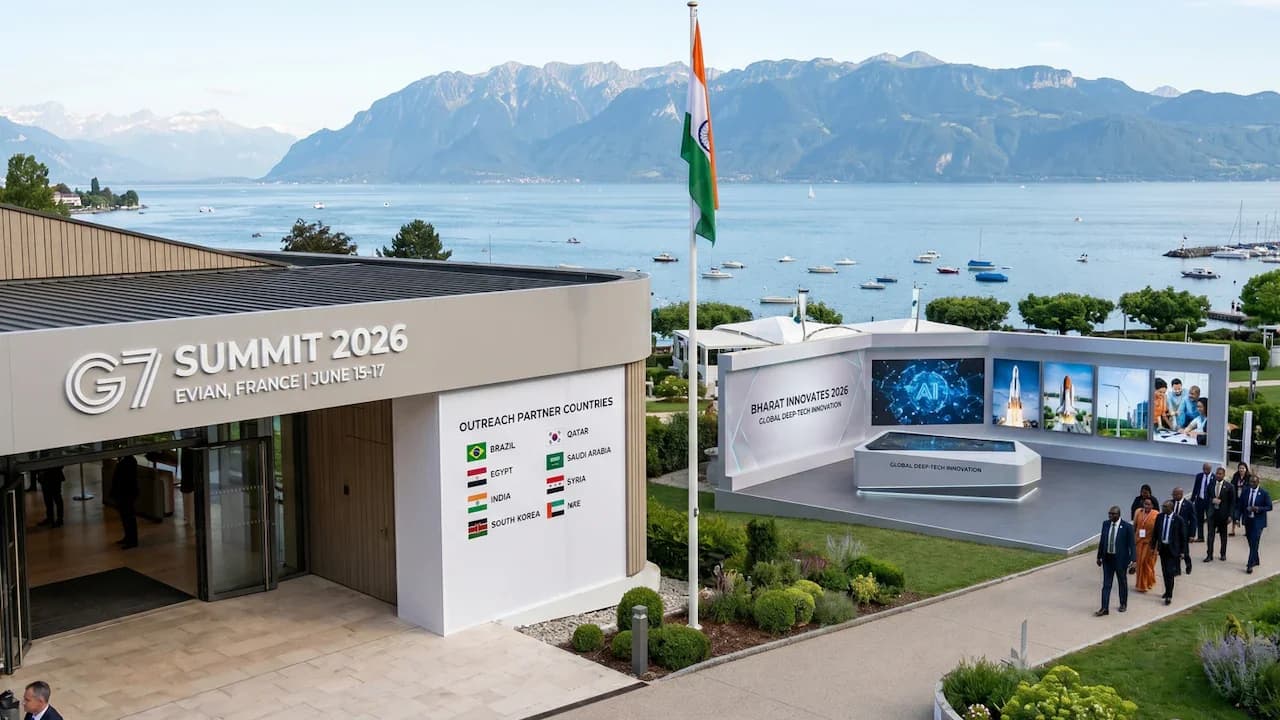
India is set to participate in the inaugural session of the Partners for Multilateralism (P4M) initiative at the United Nations, joining global leaders in this significant expansion of the global multilateral cooperation framework. The latest development brings India alongside Kenya, Canada, Brazil, and the EU in the growing coalition, demonstrating the initiative's appeal across diverse regions and political systems. As reported by UN News, the initiative is presented as a practical framework to reform global institutions rather than replace them, with the theme 'Restoring trust, managing transformation: a United Nations that delivers for all'.
The leaders highlighted the unprecedented scale of global economic interconnectedness, noting that international trade reached a record $35 trillion last year while approximately 6 billion people — almost three-quarters of humanity — are connected to the internet. As reported by UN News, this integration creates both opportunities and challenges that require coordinated international responses. The P4M initiative aims to bring together countries across regions and political systems to support reforms at the United Nations and other multilateral institutions.
Despite economic integration, the leaders noted that geopolitical instability has intensified significantly. According to the joint statement, there were 65 state-based armed conflicts across 35 countries in 2025, representing the highest number recorded since 1946. Additionally, global military spending reached a record $2.9 trillion, highlighting the scale of security challenges facing the international community. These developments underscore the need for enhanced multilateral cooperation to manage global risks.
The P4M initiative is designed to create a flexible framework for countries willing to work across political divides rather than forming another exclusive bloc. As reported by UN News, the group will focus on upholding principles including sovereign equality, territorial integrity, peaceful dispute settlement, the prohibition of the threat or use of force, international humanitarian law, sustainable development, human rights and fundamental freedoms. The leaders emphasized that P4M will strengthen cooperation on peace and security, economic governance, AI, climate change, health security and digital transformation. The initiative will push to make the UN and other institutions more representative, legitimate, effective and trusted while strengthening links between regional organisations and improving global economic governance.
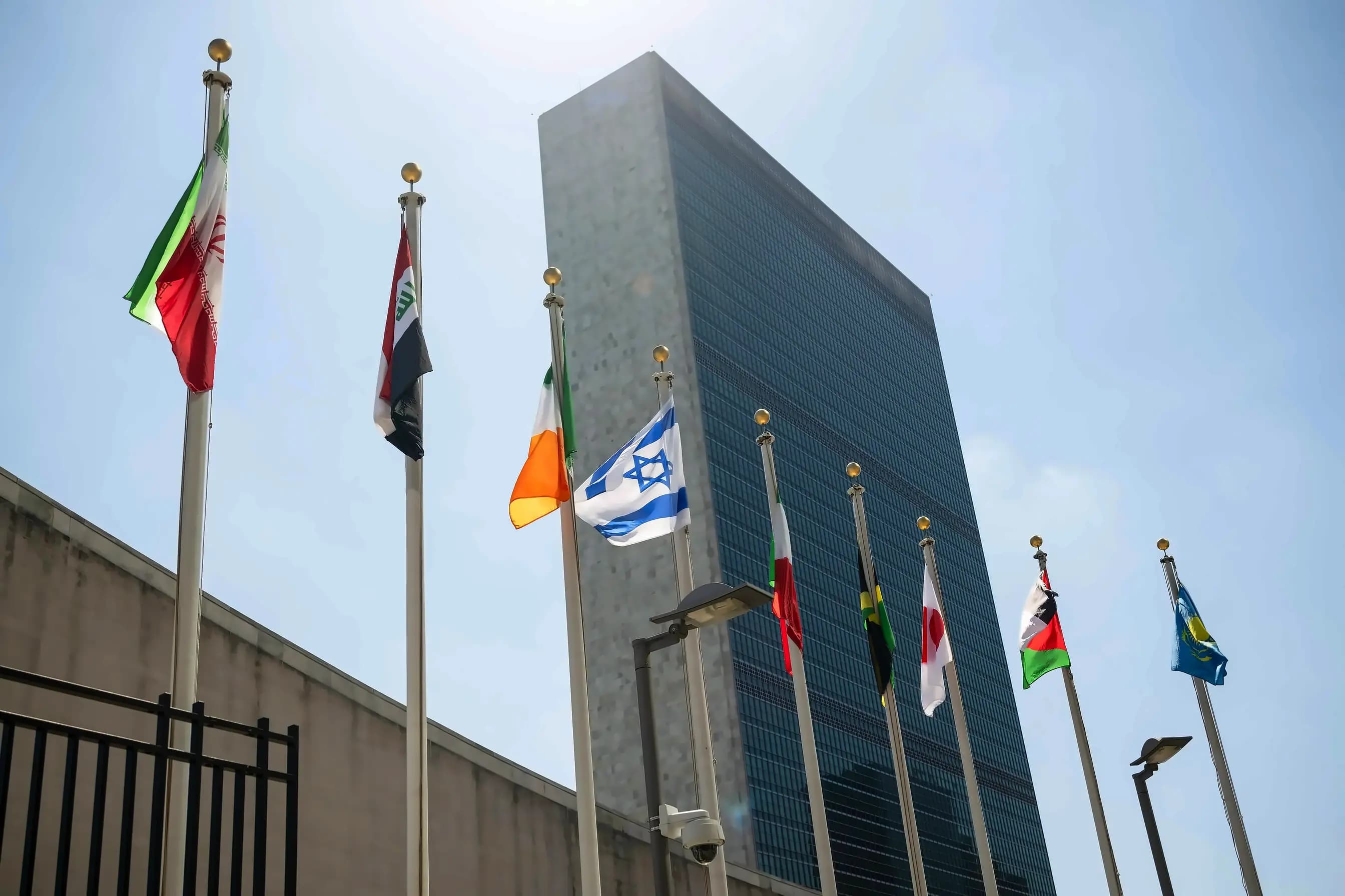
The leaders argued that challenges including climate change, artificial intelligence, pandemics, financial shocks and disruptions to maritime trade cannot be managed by individual countries alone. According to UN News, they concluded by urging governments to choose 'co-operation over fragmentation, law over power and shared responsibility over division' in addressing these interconnected global risks. The initiative represents a practical response to the collision between rising geopolitical fragmentation and increasingly interconnected economies and global risks, with the appeal to choose co-operation over fragmentation and law over power politics as the global order changes. The appeal is particularly relevant given recent remarks by UN Secretary-General António Guterres that 'superpowers are discovering their limits', making collective action the most practical route for advancing national interests.