Chinese automaker BYD delivered its strongest month of 2026 in August, selling 440,293 vehicles, up 18% year-on-year, extending its sales growth streak to a fourth consecutive month. The record monthly sales build on BYD's earlier achievement of first quarterly profit increase in over a year, with the company reporting second-quarter net income climbing 30% to ₹8.25 billion ($1.22 billion), coming in slightly above analyst estimates. This profit growth was achieved through the company's strategic focus on customer mix changes, fee-rate improvements, scheme profit sharing, and AI-driven efficiency gains, with overseas operations now offering gross margins about 10 percentage points higher than domestically. The latest results demonstrate the company's ability to maintain momentum despite ongoing market challenges, with analysts predicting profits and revenue to hit record highs in the fourth quarter.
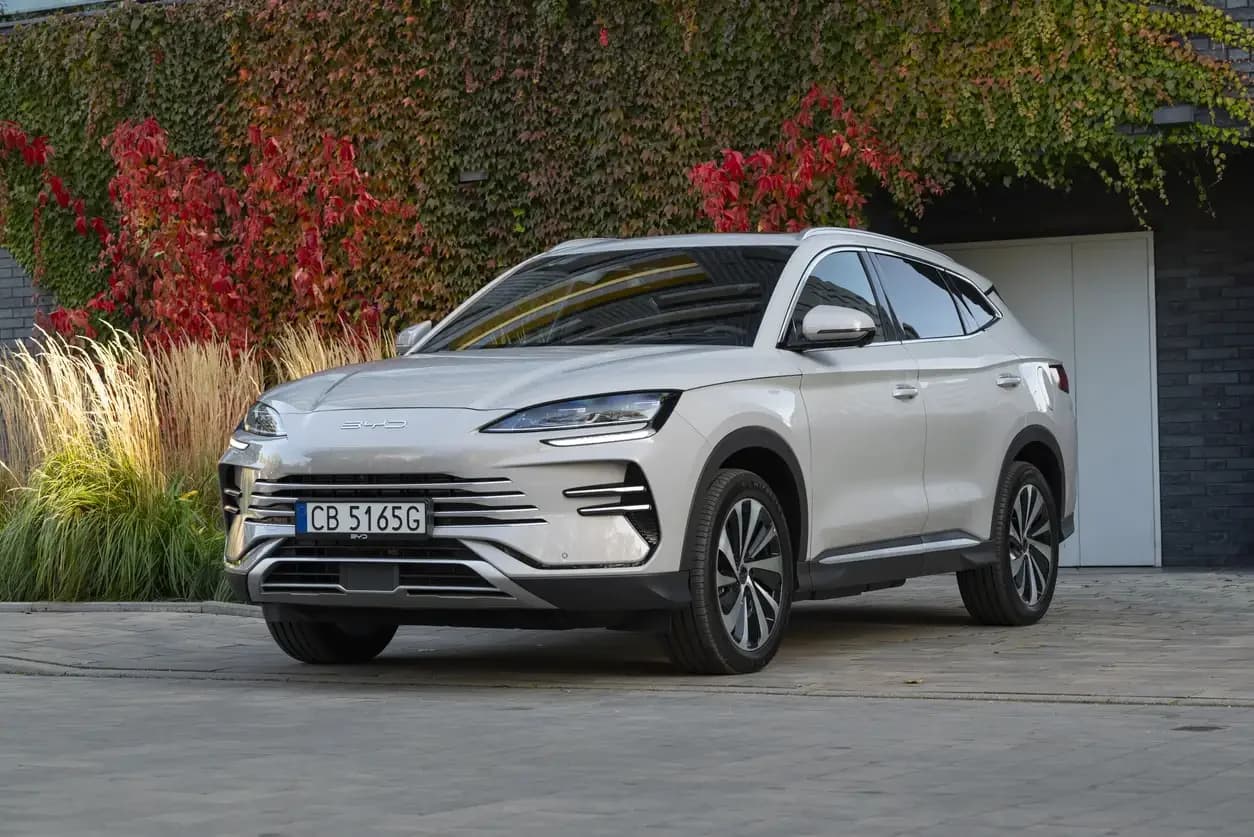
The record monthly sales build on BYD's earlier achievement of first quarterly profit increase in over a year, marking a significant turnaround in the company's financial performance. The world's largest EV maker by shipments had reported a net profit rise of 29.8% year-on-year to ₹8.2 billion ($1.22 billion) in the second quarter, ending four straight quarters of declines and reversing a 55.4% drop in the preceding quarter. According to the latest earnings data, first-half overseas sales rose 34% to ₹181.3 billion ($27 billion), accounting for 53% of total sales, while domestic revenue fell 31% during the same period. Between January and June, BYD generated more revenue from overseas markets than from China for the first time, with exports more than doubling last month and making up 43% of total deliveries. This profit growth was achieved through the company's strategic focus on customer mix changes, fee-rate improvements, scheme profit sharing, and AI-driven efficiency gains, with overseas operations now offering gross margins about 10 percentage points higher than domestically.
Brazil has emerged as one of the key pillars of BYD's international expansion and is now the company's largest market outside China. The Chinese automaker is expanding its manufacturing presence in Latin America's largest automobile market and is preparing to introduce its first locally produced plug-in hybrid flex-fuel vehicle in Brazil as it looks to tap growing demand. BYD is developing hybrid flex-fuel vehicles specifically for Brazil and is building its flagship European manufacturing facility in Hungary, which is expected to begin production in late 2026. The company is also increasing local manufacturing in overseas markets as it seeks to reduce the impact of high import tariffs imposed by regions and countries including the European Union, Brazil and Mexico. As part of its broader overseas strategy, BYD is also developing market-specific vehicles, including the ultra-compact Racco EV for Japan, where smaller vehicles are better suited to the country's narrow roads.
The success of BYD's overseas strategy reflects a broader trend in Chinese automotive exports, which have reached unprecedented scale in 2026. According to data from the China Association of Automobile Manufacturers (CAAM), China's vehicle exports reached 6.14 million units from January to July 2026, up 66.8% year-on-year, with passenger car exports hitting 5.354 million units, a 72.5% increase. The industry-wide momentum is expected to continue, with NEV exports surging more than 140% year over year in recent months. This scale is transforming how automakers operate, with overseas business now requiring standalone resource allocation rather than being merely incremental to domestic operations, as exports are positioned to remain the primary growth engine into 2027.
Over the first eight months of the year, BYD produced more than 2.66 million vehicles and will need to maintain a significantly higher monthly sales pace through December to meet its full-year target of 5 million to 5.5 million vehicles. Despite the profit growth, BYD's domestic operations face significant headwinds, with total passenger vehicle sales falling 21% in July according to the China Passenger Car Association. The company's overseas expansion into merchant acquiring represents a secular and long-term growth opportunity in the $36 trillion global acquiring market, with overseas fee rates at 63.1 basis points, about five times the mainland rate. In the semiconductor sector, Washington's licensing regime continues to loosen, with Nvidia reportedly cleared to ship H200 chips to firms, including ByteDance and Tencent, by mid-August, while domestic substitution continues with Huawei and SMIC pressing ahead on capacity expansion.