The traditional 30-second commercial model is being replaced by larger, more immersive campaigns built around technology and fan participation. According to reports from NDTV Profit, brands are moving beyond traditional ads into storytelling, immersive technology, AI-driven engagement, fan communities and targeted sports marketing. This shift is particularly evident during major sporting events like the FIFA World Cup, where companies are trying to pull viewers into branded ecosystems rather than merely interrupt them. The evolution mirrors similar transformations in other advertising sectors, where companies like Focus Media in China have successfully adapted to digital disruption by partnering with technology giants and developing innovative measurement systems. Recent developments show this trend continuing with Waymo launching its first-ever national brand campaign timed to the FIFA World Cup, marking the first time the Alphabet subsidiary speaks directly to a mainstream national audience at scale.
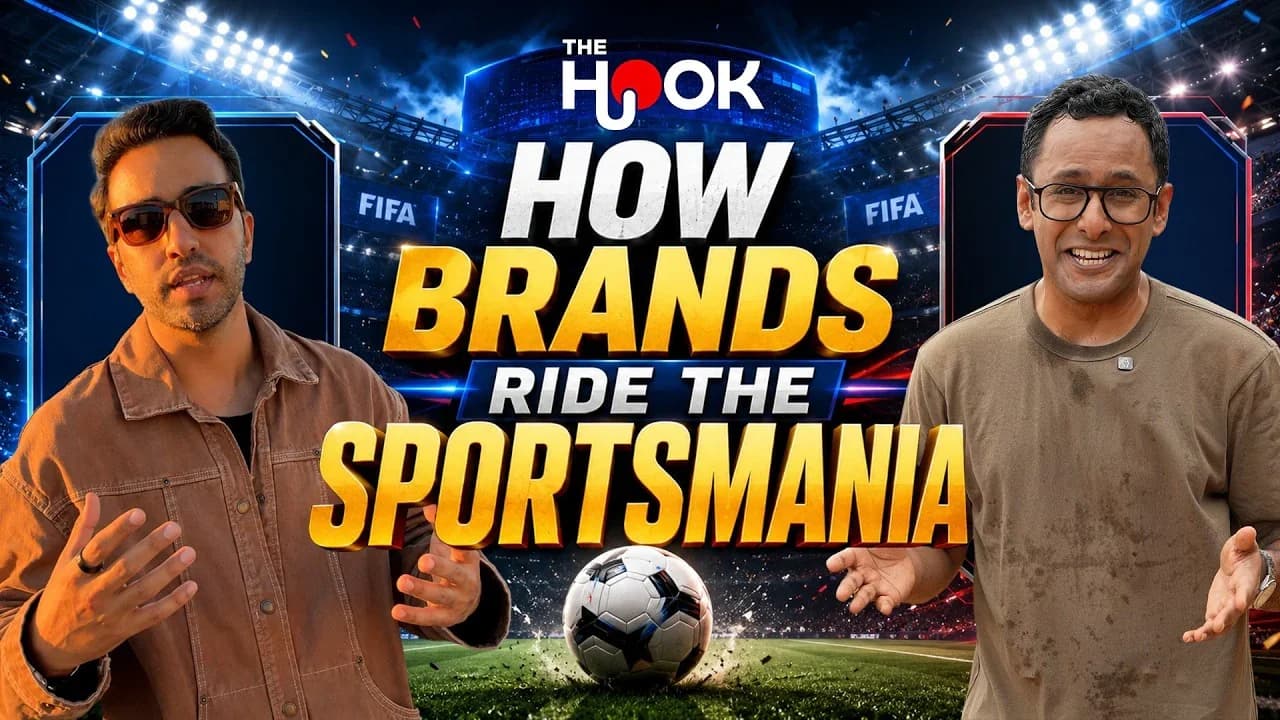
In India, football's commercial journey remains complicated despite growing global interest. As reported by NDTV Profit, while there is a sizeable audience for global football, the country remains firmly cricket-first. Industry voices highlight that Indian interest in events such as the World Cup and the Premier League is rising, but unfavourable timings, delayed broadcast clarity and the absence of Indian footballing heroes make it difficult to compare the sport with cricket's mass appeal. This challenge is reflected globally, where sports marketing faces similar complexities in building sustainable commercial ecosystems around traditional sports properties.
The Indian Super League offers a cautionary example of sports commercialization challenges. According to NDTV Profit, built as a polished, television-friendly product, it improved broadcast quality and brought glamour to domestic football. However, its centralised financial model and limited advertising depth exposed the difficulty of manufacturing football culture overnight. Meanwhile, the IPL remains the dominant force in Indian sport, though conversations around viewer fatigue and the shift from television to digital have grown louder, with experts arguing this reflects changing consumption habits rather than saturation. The IPL's success demonstrates how sports properties can adapt to evolving consumer preferences while maintaining market leadership.
For brands, the transformation represents a fundamental shift in sports marketing approach. As reported by NDTV Profit, sport is no longer just a media buy but has become a community, a content engine and a cultural moment. The analysis suggests that big brands must spend heavily to stand out, while smaller brands can win through sharper targeting. In the new sports economy, those that fail to adapt risk being benched, highlighting the importance of innovative marketing strategies in the evolving sports landscape. This approach aligns with broader advertising trends where companies are investing in AI-powered marketing solutions and precision targeting capabilities to maximize return on sports marketing investments.