Short-form videos are fundamentally changing how Indians shop online, with 'comment for link' tactics becoming one of the internet's most effective sales strategies. According to reports from Business Standard, young consumers are increasingly buying cheap goods after coming across short videos posted by creators, skipping traditional online searches for marketplace comparisons. Vikas Chawla, cofounder of Social Beat, noted that for anything under ₹1,000 - beauty, snacks, home, accessories - the first touch is now an Instagram Reel or YouTube Short, not a marketplace search bar. As reported by Industry News, these 'under ₹500' and 'under ₹1,000' content drive engagement and purchases weeks after being posted, often outlasting the lifecycle of celebrity campaigns and polished brand advertisements.
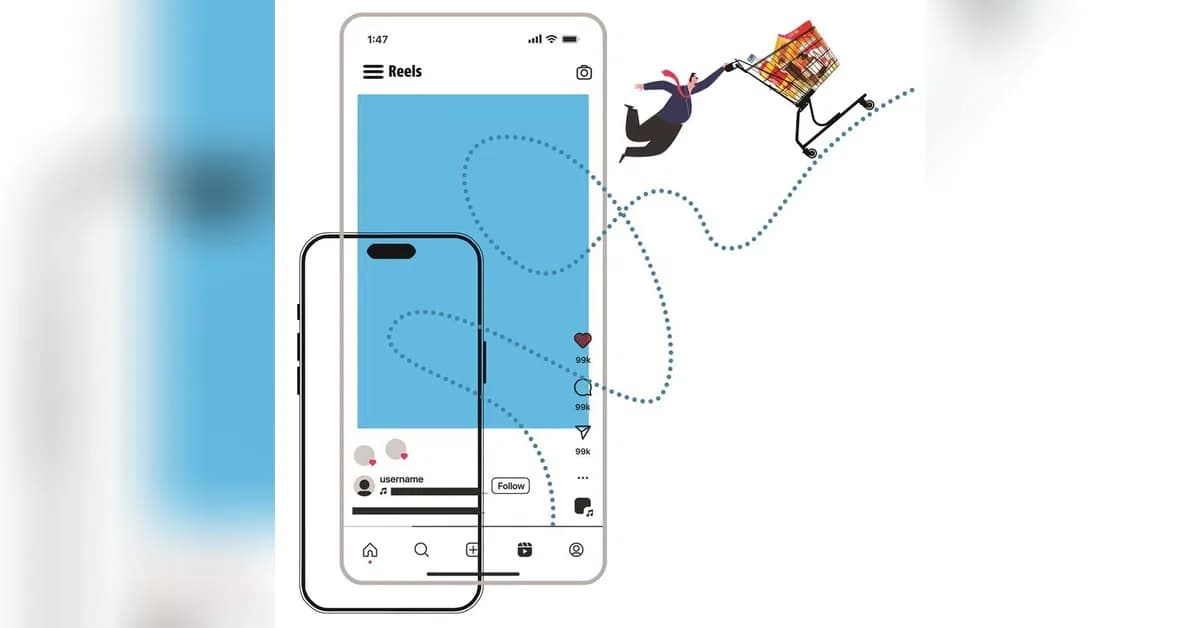
The role of video creators extends beyond promotion into recommendation and trust-building as consumers face overwhelming online choice. When consumers scroll through marketplaces offering hundreds of near-identical products, creators answer the question of 'which one should I trust?' in 30 seconds. An ASCi survey of 820 respondents found that 79% said they trust social media influencers, while seven in 10 said they were likely to buy a product endorsed by one. Delhi-based student Mansi explained that while marketplace reviews don't always feel reliable, creator recommendations from followed accounts feel more trustworthy. As reported by Industry News, her experience reflects a broader trend where consumers rely more on creators than traditional search engines, with 41% of Gen Z respondents now turning to social media platforms first for information, ahead of traditional search engines at 32%.
Major platforms are expanding their shopping capabilities to capitalize on this trend. According to Business Standard, YouTube has expanded its shopping affiliate programme in India, allowing creators to directly tag products in videos and shorts, while Meta has steadily added shopping and creator-led discovery tools across Instagram. At Amazon Bazaar, sales of storage organisers, lighting and kitchen accessories have grown 4x, 11x and 8x respectively in 2026 compared with 2025, with home and kitchen orders rising 5.5x over the same period, as reported by Sameer Lalwani, product and business head at Amazon Bazaar. A Bazaarvoice social commerce report found that 79% of Gen Z and millennial consumers now integrate social media into their shopping, even as timelines become increasingly crowded with shopping content.
The comments section beneath shopping videos is functioning like a product search bar, with creators using prompts to drive engagement. As reported by Industry News, Abhinav Yadav from Create Your Taste with over 3 million followers said viewers frequently ask for links to products used in his videos, with a recent dragonfly light reel crossing a million views in under eight hours and generating immediate queries for materials used. A Sprout Social survey found that 41% of Gen Z respondents now turn to social media platforms first for information, ahead of traditional search engines at 32%. Creators are using prompts such as 'under ₹500' and 'under ₹1,000' to reduce decision friction for affordable products, with the most repeated query under many short-form shopping videos being: 'Link?'
The shift represents a fundamental change in how consumers discover and purchase products online. According to Business Standard, the popularity of 'under ₹500' and 'under ₹1,000' content reflects a consumer mindset that is aspirational yet highly value-conscious. Nikita Dawda from Meesho noted that when creators showcase affordable home upgrades in real settings, it makes purchase decisions far more intuitive and immediate. However, as recommendation-driven feeds become more commercially crowded, users are spending ever larger parts of their online lives encountering products before searching for them, potentially leaving consumers increasingly reliant on creators, algorithms and commercial incentives to determine what deserves their attention. As Industry News reports, this creates a shopping ecosystem where commercial incentives are often embedded within personal recommendations, with the lower stakes of these purchases influencing consumer behavior to make quicker, more impulsive decisions.