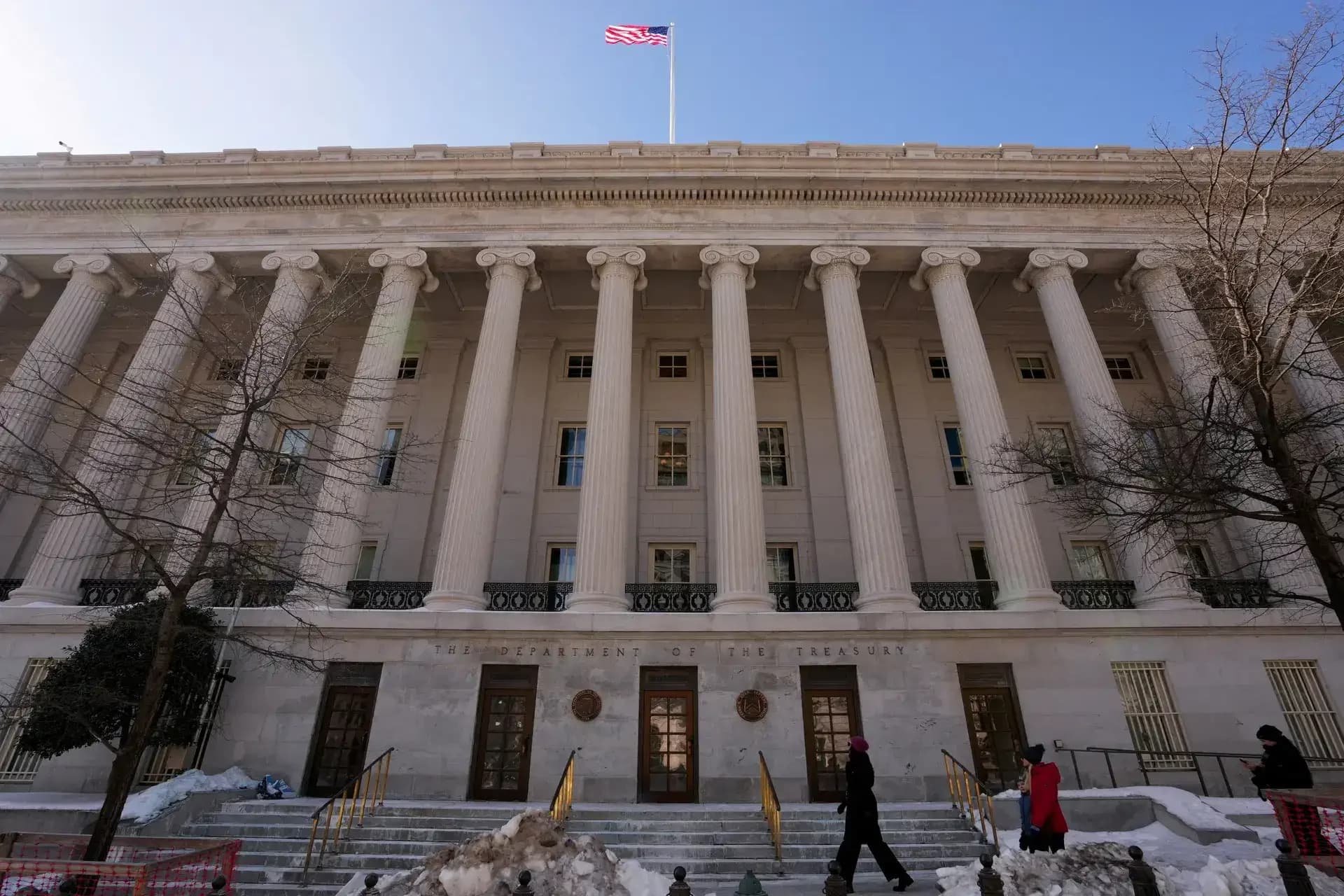
Bond traders maintain expectations for a Federal Reserve interest rate hike by year-end, despite a softer US core inflation reading that eased immediate pressure on the Fed to act sooner. The core CPI's 0.2% rise from April fell short of the 0.3% consensus forecast, giving the central bank a bit of breathing room according to The Economic Times. Interest-rate swaps showed traders were still pricing in a rate hike by December after the report on Wednesday, while Treasury yields were little changed and the US dollar slipped. As per Fort Washington Investment Advisors senior portfolio manager Dan Carter, "The biggest takeaway is that it gives the Fed a tiny bit of breathing room. Another hot month would have put a lot more pressure on them on rate hikes, but this is just soft enough to allow them to wait and see."
Global bond markets are experiencing unprecedented volatility as US 30-year Treasury yields recently crossed 5% at auction for the first time since 2007, while Japan's 30-year government bond touched 4% - an almost unimaginable number in a country that spent decades fighting deflation. German Bund yields are at their highest levels since 2011, and UK gilts recently hit levels last seen in the late 1990s. According to Forstrong Global, this represents one of the most important market shifts of the decade for retirees and income investors who have long relied on government bonds as safe havens. The culprit is inflation, which is kryptonite for long-duration bonds, with many analysts warning that the world is not returning to the ultra-low inflation regime of the 2010s.
Remarkably, parts of the market are now treating high-quality corporations as safer borrowers than governments themselves. In parts of Europe and Asia, select AAA and AA-rated corporate bonds are now trading at yields below the government bonds of their own countries, reflecting greater investor confidence in corporate balance sheets than sovereign ones. This represents a fundamental shift as many Western governments continue running deficits near 6%-8% of GDP and carry debt burdens above 100% of GDP, while several major emerging markets entered this period with healthier fiscal balances, stronger external accounts, and significantly higher real interest rates. Many emerging market central banks – including Brazil, Chile, and Mexico – also began raising interest rates well before the Federal Reserve, demonstrating policy discipline largely absent in the developed world.
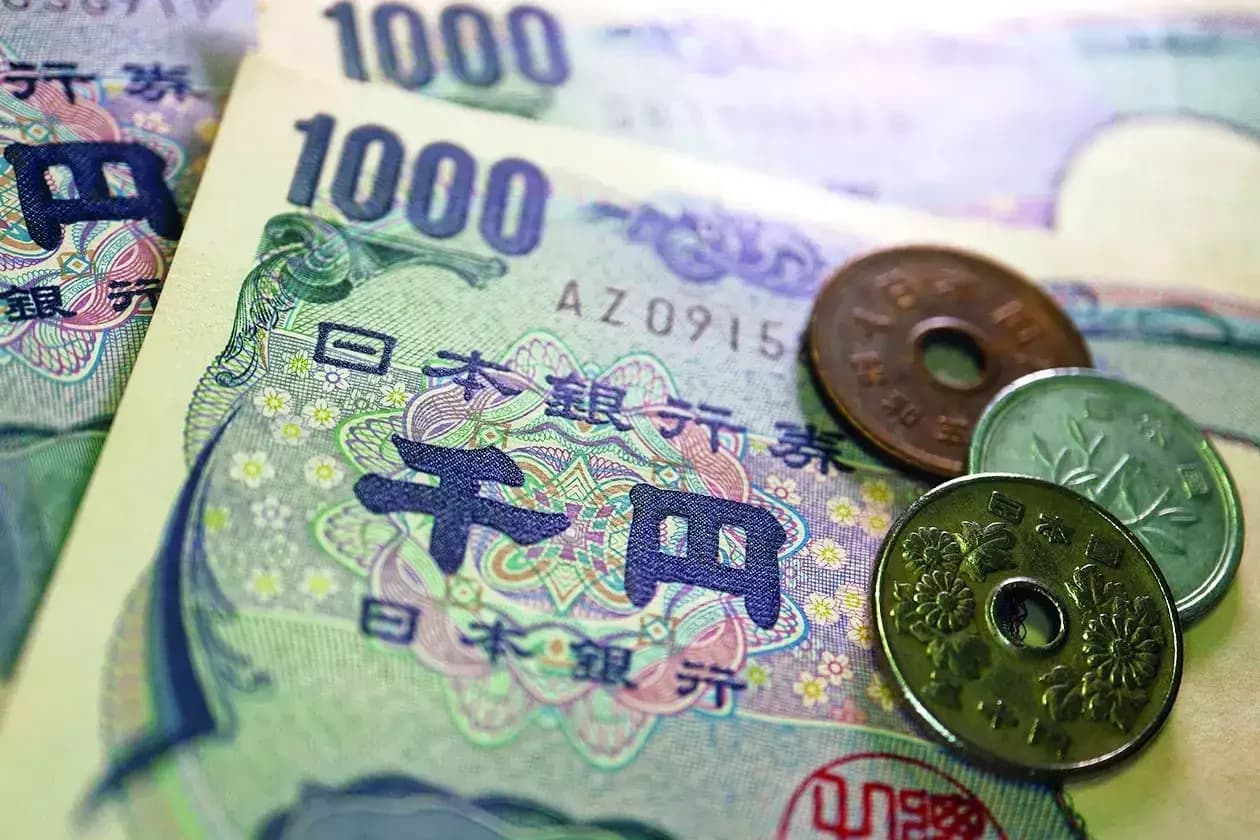
Japanese government bond yields are climbing as investors extend a recent selloff ahead of the Bank of Japan's upcoming policy meeting. The benchmark 10-year JGB yield has seen a significant rise, with market watchers anticipating a 25 basis point hike at the upcoming central bank meeting. According to The Economic Times, interest rate swaps data through Monday showed a 93% probability of a hike, as the BOJ has shifted to a more hawkish tone following the Iran war-driven energy shock that lifted inflation risks. The 20-year JGB advanced 3 bps to 3.665%, while the 30-year yield gained 3 bps to 3.965%. Japanese Economic Revitalisation Minister Minoru Kiuchi expressed hope that the BOJ would work closely with the government to durably achieve its 2% inflation target, while the central bank's Governor Kazuo Ueda has warned that energy shocks can become persistent via wages and expectations.
European markets are positioned for a potential structural transformation as German Finance Minister Lars Klingbeil declared that a capital markets union is more important than clinging to national interests. The German government has stated it is ready to move forward on centralized supervision, joining the six largest European economies pushing toward a more unified and competitive market agenda. This development addresses the long-standing political inertia that has prevented European integration, with idle household savings of €12-14 trillion ($14-16 trillion) roughly three times the entire European market cap. The valuation discount between Europe and the U.S. is partly attributed to liquidity and depth issues, but removing fragmentation through a genuine single market could compress this discount significantly. Combined with fiscal pivots in Berlin and strategic moves toward greater energy independence, European equities may soon have a compelling multi-year narrative after over a decade without such opportunities.