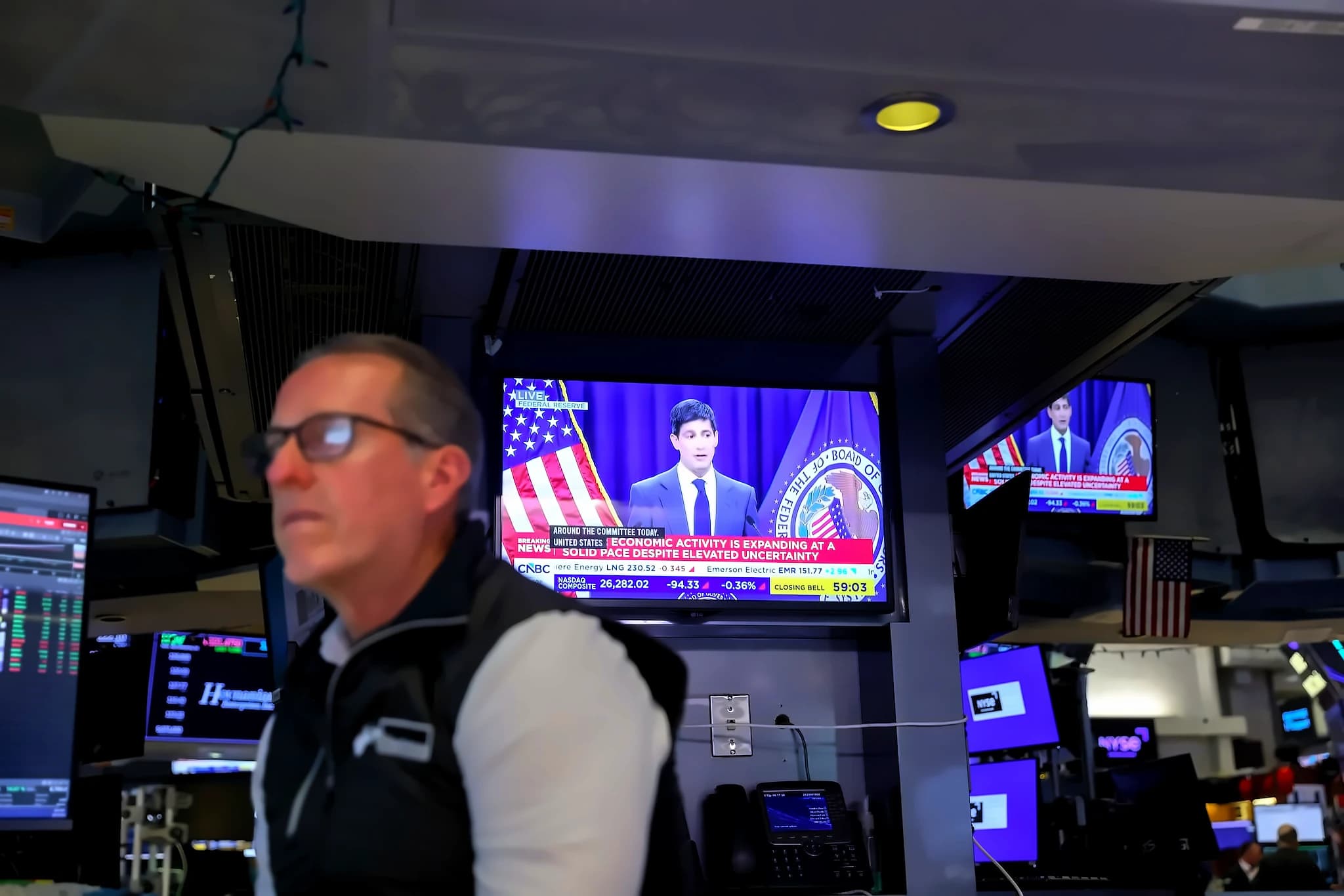
Bond traders have been spending millions of dollars to guard against sharp declines in long-dated Treasuries that risk igniting a bigger bout of volatility in the $31 trillion market. According to reports from Bloomberg, the cost of hedging against a rise in Treasury yields has surged since last week as traders piled on Treasury put options on both US 10- and 30-year bond futures after long-bond yields climbed to a 19-year high. The flurry of trades came as the Federal Reserve held off an interest-rate hike, prompting investors to question Chairman Kevin Warsh's determination to fight inflation.
The ICE BofA MOVE Index, a proxy of Treasury market volatility, is already coming to life, climbing to the highest level in about 10 weeks. As reported by Bloomberg, the moves are spurring options flows targeting 10-year yields to rise to near 5% and 30-year yields to 5.4% — about 35 and 20 basis points respectively above current levels. Molly Brooks, US rates strategist at TD Securities, noted that "The Fed lost the market's confidence after the last meeting," and in the absence of further forward guidance, "we would expect higher volatility to continue as markets are more reactive to incoming data and shifts in Fedspeak."

The options activity picked up pace during Warsh's press conference last week with a huge position that looked to target 30-year yields rising to around 5.3%. According to Bloomberg, on Monday, buying of downside options continued with one position for a premium of almost $10 million targeting a 30-year yield move to around 5.5%, about 30 basis points above current levels. Should yields resume their ascent and re-test multiyear highs, the newly embedded bearish options positioning could spark a deeper selloff as dealers will look to cover their exposure once strike targets come into view.
In the cash market, investors are also leaving the sidelines and putting money to work, with neutral positions in a Treasury client survey by JPMorgan Chase & Co. at their lowest since the start of June as both outright long and short positions increased to multi-week highs over the week. As reported by Bloomberg, the premium paid to hedge long-bond Treasury futures has moved sharply to favor puts over the past week, where traders have been paying up the most compared to calls in around five months. Skews in 2-year notes out to the 10-year sector have also edged toward premium on puts from neutral over the past week.