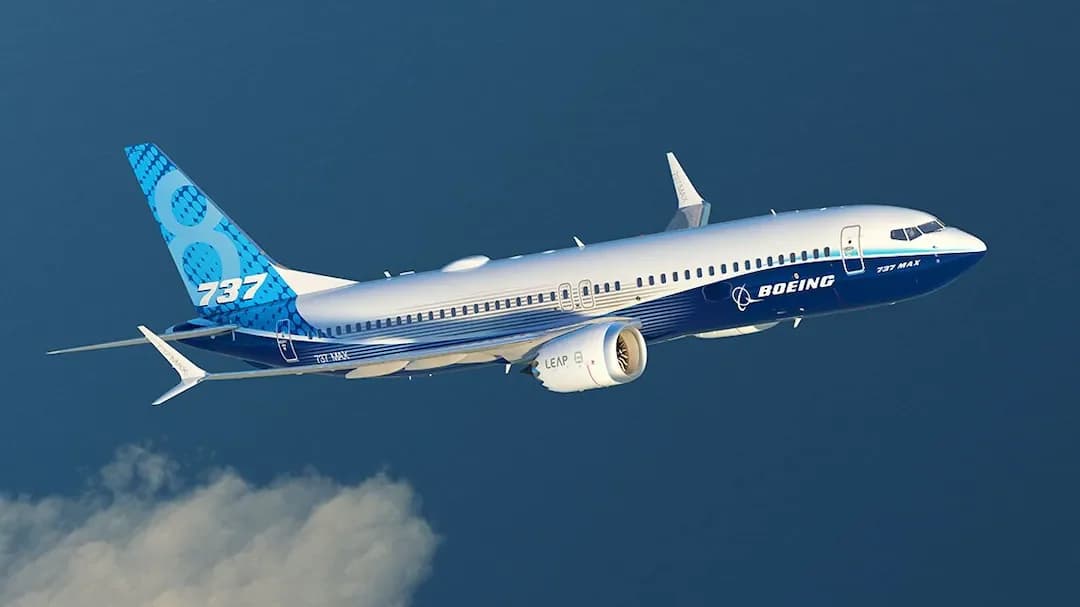
Boeing shares moved lower in pre-market trading following confirmation of a major aircraft deal with China, despite the positive development. According to Benzinga, Boeing shares were down 2.22% at $215.71 during pre-market trading on Wednesday, after the shares recorded a 2.54% decline on Tuesday at market close. The negative movement came after China's Commerce Ministry officially confirmed the significant aviation agreement. However, as reported by KWCH, Boeing's stock price is down on Wednesday morning despite the purchase agreement, as some investors had expected China to purchase as many as 500 Boeing jets. The deal represents the light at the end of a tunnel in a commercial aviation market that is lucrative, but one where it has not seen a great deal of success in recent years, as noted by The Independent.
China's Commerce Ministry officially confirmed an agreement to purchase 200 Boeing aircraft, along with engines and spare parts, on Wednesday. As reported by CNBC, a Commerce Ministry official stated that aviation is essential to strengthening ties between the United States and China. The official emphasized that China's aviation industry will launch 200 Boeing aircraft based on commercial principles and its own demands for air transport development. According to the BBC, Boeing has committed to providing China and its airlines with guarantees for things like engine parts for the confirmed 200 planes. The all-American nature of the deal extends beyond the aircraft themselves, with GE Aerospace having been chosen to supply the engines, based in Evendale, Ohio. The agreement represents China's first major purchase of Boeing planes since 2017, as reported by KWCH.
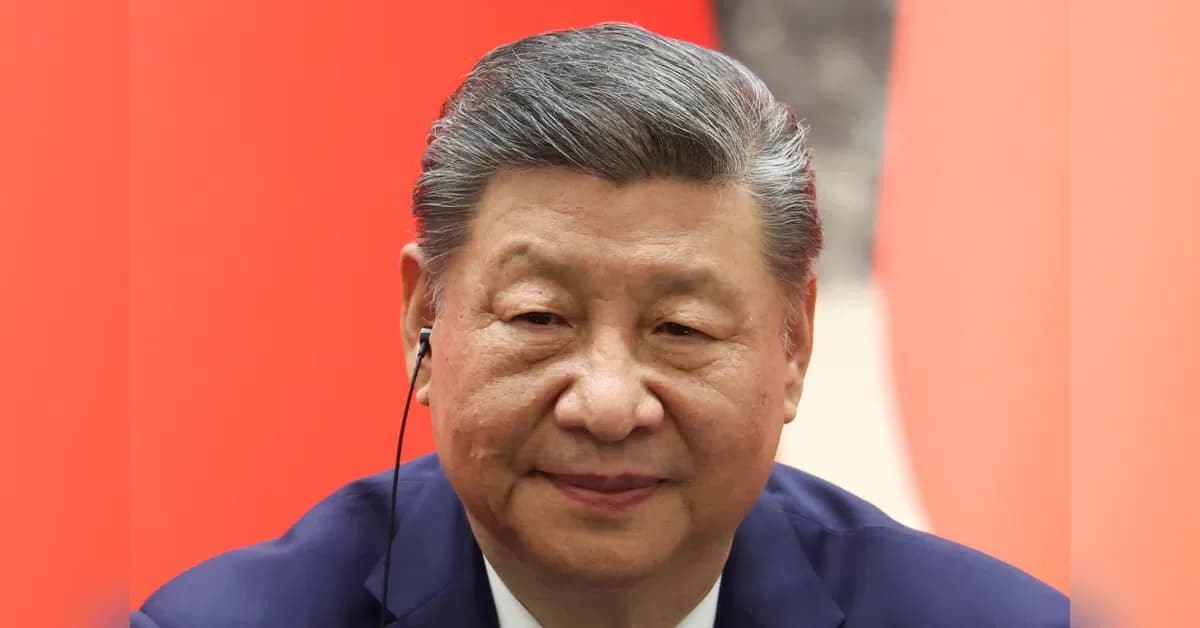
The agreement aligns with the significant agreement achieved by Chinese and US leaders, according to the Commerce Ministry statement. The deal represents China's first major purchase of Boeing planes since 2017, as reported by KWCH. The announcement comes after President Trump met with Chinese leader Xi Jinping last week in China, with Boeing CEO Kelly Ortberg part of the president's delegation alongside other US industry and tech leaders, including Tesla's Elon Musk and NVIDIA's Jensen Huang. This marks a significant shift in China's aviation procurement strategy and provides official backing to earlier claims about the deal's scope and timing. According to the BBC, President Trump indicated that the figure of 200 jets exceeded Boeing's planned target of 150, suggesting the deal exceeded initial expectations.
The aircraft deal comes alongside significant progress in US-China trade relations, with Beijing announcing that both governments will pursue matching reductions of tariffs on goods valued at $30 billion on each side. As reported by Xinhua, the commerce ministry stated that both sides will work through concerns tied to export controls, while reiterating that China implements controls on exports of critical minerals, including rare earths, in accordance with laws and regulations. Looking ahead, Trump indicated that further positive progression in negotiations could see the overall total rise to as many as 750 jets, according to the BBC. A Boeing spokesperson confirmed to Benzinga that the aircraft manufacturer expects "further commitments," with the company offering satisfactory Momentum but failing to provide a favorable price trend in the Long Term.
Boeing already maintains a considerable footprint in the Chinese market, with present scheduling data from Cirium showing 169,007 Boeing-operated flights set to depart from airports in China in May 2025 alone. China Southern accounts for the largest proportion with 21,761 Boeing-operated flights, followed by Hainan Airlines (18,012) and China Eastern (16,589). The vast majority of China's Boeing-operated flights use narrowbody twinjets, with widebodies accounting for only 8,474 departures, including 5,669 with the 787 family, 2,580 with the 777 family, 180 with the 767 family, and 45 with the 747 family. The remaining 160,533 flights are all operated by Boeing narrowbodies, all using the 737 family.