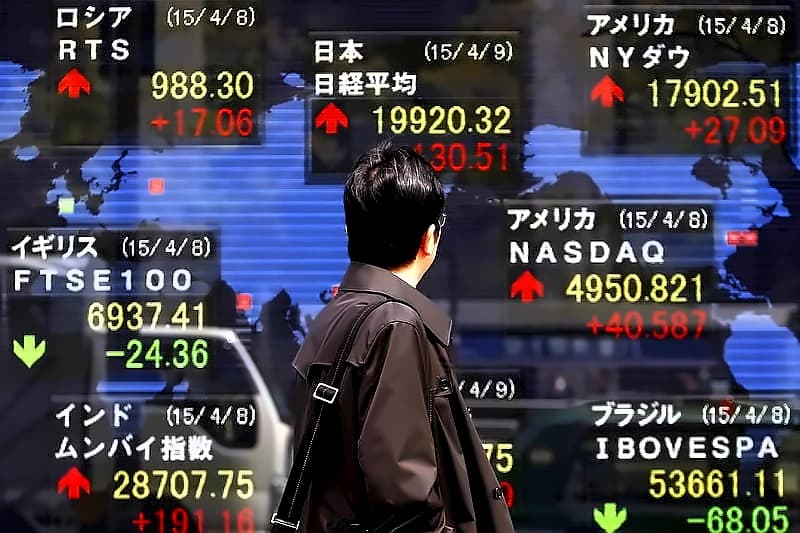
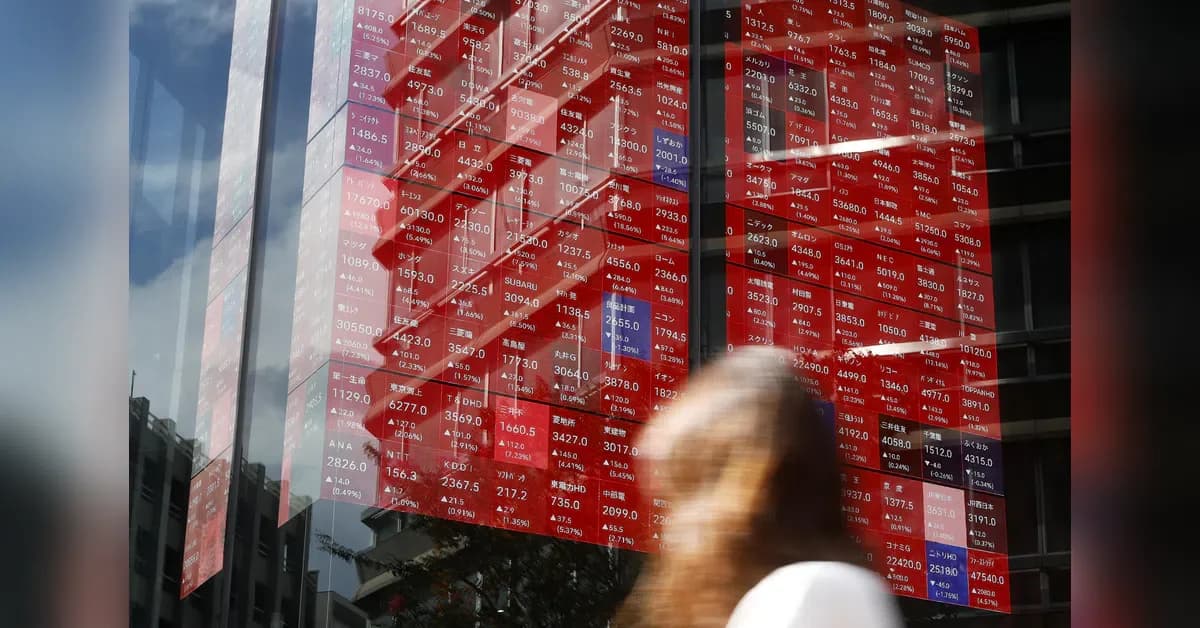
Asian stocks extended their brutal selloff on Wednesday, with South Korea's KOSPI plunging 5% after reversing earlier gains, following Tuesday's brutal session where the index had previously sunk more than 10% to a three-month low. According to The Hindu BusinessLine, MSCI's broadest index of Asia-Pacific shares outside Japan slipped 1% after shedding 3.6% on Tuesday and was set for a monthly drop of 8%. The selloff was driven by anxiety about AI valuations, rising competition and spending concerns ahead of crucial earnings from major tech firms and a US Federal Reserve policy decision. Japan's Nikkei fell 1% and is bracing for a more than 10% drop in July, while regional sentiment also weakened as tech-heavy Nasdaq 100 Futures were choppy in Asian hours and were last up 0.5%. Hong Kong's Hang Seng index rose 1.5% while China's blue-chip index was flat, providing some relief to the broader regional decline.
Asian chipmakers have been at the epicentre of this year's AI-driven rally but are now facing investor concerns about its staying power. As reported by The Hindu BusinessLine, South Korean memory giant SK Hynix Inc tumbled 9% as investors digested earnings that showed the chipmaker increased quarterly operating profit more than sixfold but missed lofty expectations. In Japan, Kioxia Holdings Corp dropped as much as 18%, while Tokyo Electron Ltd., Disco Corp, Nikon Corp and Murata Mfg Co slid more than 9% each. The earnings from the 'Magnificent Seven' members including Microsoft and Meta later in the day will be a key test of the AI trade, particularly after Alphabet and Tesla spooked investors last week with negative cash flow reports. Investors grew increasingly concerned after reports that NVIDIA Corporation's latest AI-related financing commitments exceeded $750 billion, fuelling worries over rising leverage and whether demand for AI infrastructure can keep pace with unprecedented investment. Nvidia shares had already shed 5% overnight after the Wall Street Journal reported the company is in talks to provide roughly $250 billion in financing guarantees for OpenAI as part of a massive data centre project.

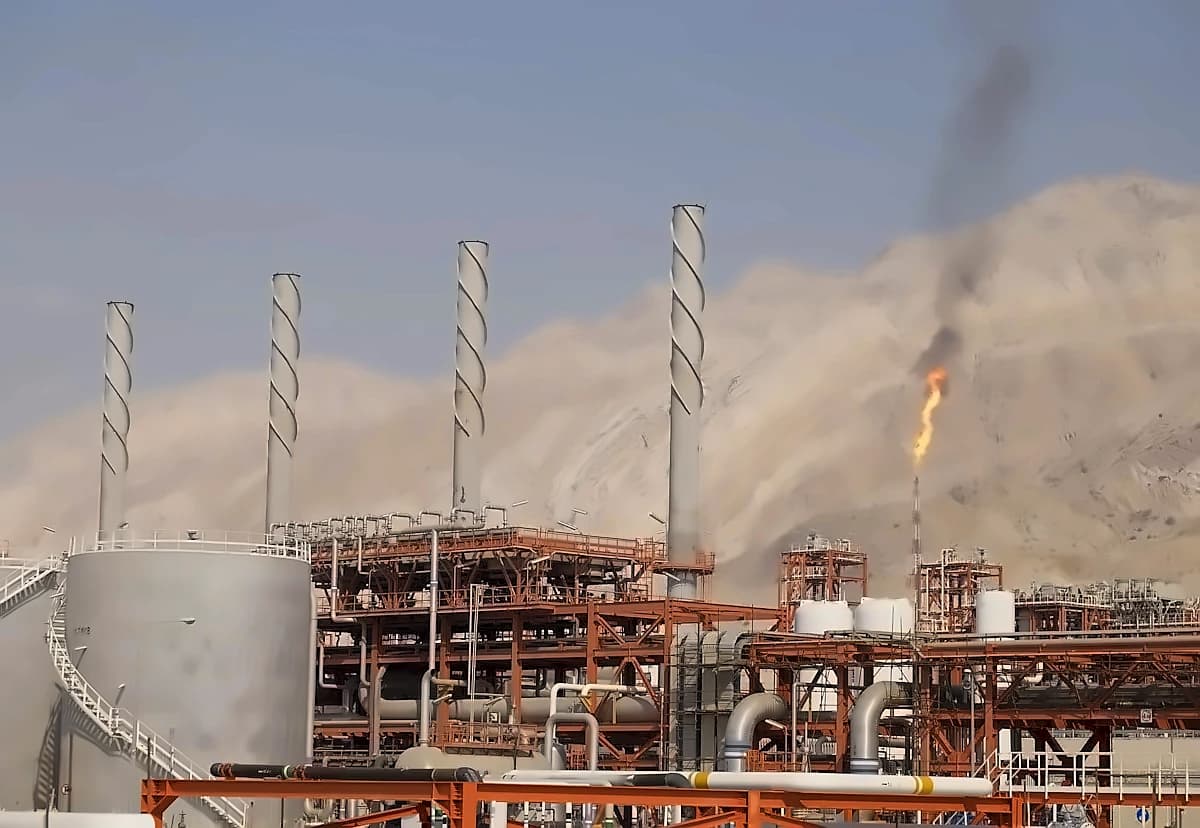
Oil prices jumped sharply after fresh attacks in the Middle East shattered the relative calm of recent days in the U.S.-Iran war. As reported by The Hindu BusinessLine, Brent futures jumped 3% to $86.80 per barrel while U.S. West Texas Intermediate (WTI) crude rose more than 3% to $81.95 after U.S. Central Command said Iran had launched multiple ballistic missiles that were successfully intercepted. Tony Sycamore, market analyst at IG, noted that "The latest attack highlights that the two sides remain a long way from resolving the core dispute of passage through the Strait of Hormuz that caused the earlier MOU to collapse." Iran effectively shut the key waterway to ships other than its own after the U.S. and Israel launched strikes on February 28. A deal last month between Washington and Tehran partially reopened it, but the agreement collapsed in early July after Iran fired on ships using a channel it had not approved. That has again put inflation pressures in the spotlight ahead of the Federal Reserve's policy decision due Wednesday.
The market uncertainty ahead of the Federal Reserve's policy decision due Wednesday is adding to investor concerns. According to The Hindu BusinessLine, the decision remains unusually hard to call under the no-guidance regime adopted by the new Fed Chair Kevin Warsh, with traders pricing in a 33% chance of a hike. Frank Flight from Citadel Securities expects a rate hike at the July meeting, citing moderate increase in energy prices that may tip the finely balanced meeting in favour of a hike. "We think the market may once again be underestimating the extent of the hawkish shift at the Fed, and that the (for now) moderate increase in energy prices may tip an already finely balanced meeting in favour of a hike this week," Flight said. The U.S. dollar was perched near a one-month high ahead of the decision, with markets on edge about Japan intervening in the currency pair — particularly if the Bank of Japan leaves rates on hold this week and sets off another yen slide.