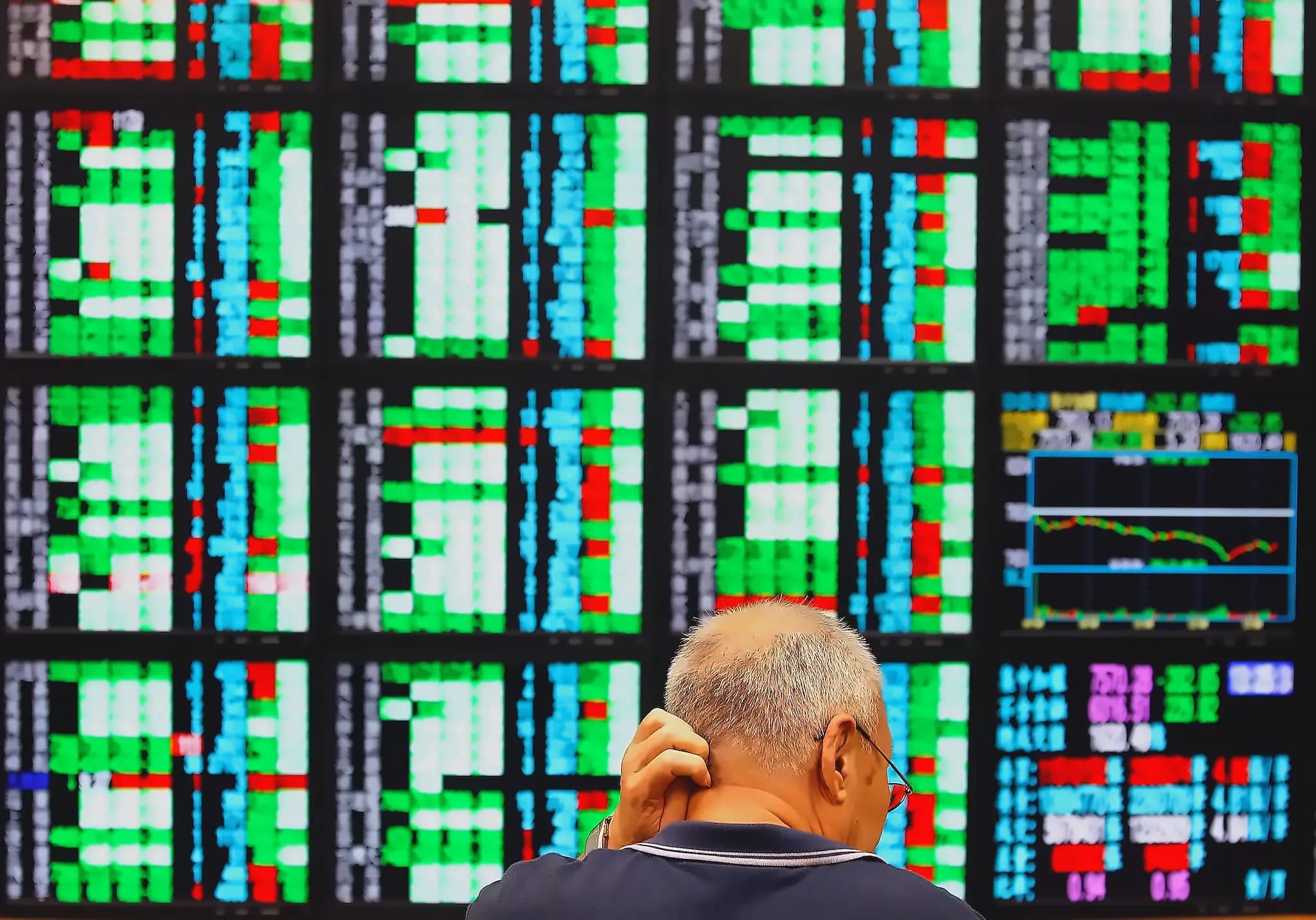
Asian stocks climbed to a record high on Wednesday, driven by renewed momentum in technology shares and easing geopolitical tensions. According to latest reports, MSCI's Asian equities gauge rose 1.4% to an all-time high, with South Korean stocks — seen as a bellwether for AI investment — jumping as much as 5% to a peak. The surge reflects growing investor confidence in the semiconductor sector and broader technology momentum across the region. Japan's Nikkei index was up 1.25% at 65,811.78, as of 0147 GMT, after rising as much as 2.2% earlier in the day to hit a record intraday high of 66,428.81. The broader Topix edged 0.15% higher to 3,944.19, extending a powerful rally that has seen Japanese equities outperform many major global peers over the past two years.

Japan's benchmark Nikkei index is expected to scale fresh record highs and may touch 69,000 by the end of 2027, according to a Reuters poll of market analysts. This surge is driven by excitement around artificial intelligence and robust corporate profits, with Japanese equities having surged nearly 70% over the past two years, significantly outperforming benchmark indices in several major global markets including the United States, Europe and China. The rally has been driven largely by technology and semiconductor-linked stocks, mirroring gains seen in U.S. markets amid the global AI boom. Japanese chip-related companies and AI-focused investment firms have witnessed sharp gains, helping push the broader market to new peaks.
Leading the market gains were chipmakers, with SK Hynix Inc. surging as much as 11% to top $1 trillion in market capitalization, demonstrating strong investor confidence in the semiconductor sector. As reported by CNBC TV18, this surge contributed to the broader tech rally, with South Korea's AI investment gauge jumping 4.2%. A gauge of Asian semiconductor companies climbed to an all-time high, reflecting the sector's robust performance across the region. The momentum has been particularly strong in Japan, with analysts surveyed by Reuters believing the AI-driven rally could continue despite concerns that valuations have risen sharply in a short span.
Oil prices showed mixed movements following U.S. military strikes on Iranian targets overnight. Benchmark U.S. crude oil declined $2.92, or 3%, to $93.68 a barrel, while Brent crude, the international standard, gained $3.50, or 3.6%, to $99.67 a barrel. The U.S. military struck Iranian missile launch sites and other targets, attacks that Iran's Foreign Ministry called a "grave violation" of the countries' ceasefire. President Trump said on Saturday that a peace agreement had been "largely negotiated," though investors remain cautious about the ongoing tensions in the Persian Gulf.
Despite the bullish long-term outlook, analysts remain cautious about near-term volatility. The Reuters poll showed that median forecasts for the end of 2026 remain below current levels, indicating expectations of periodic corrections after the market's steep climb in recent months. Treasury rates decreased on Tuesday as traders reduced their bets on short-term Federal Reserve interest rate increases, as worries about an increase in inflation subsided. A gauge of the dollar fell 0.1%, while Brent crude oil slightly decreased to $99.20 per barrel. The Nikkei's resurgence marks a dramatic turnaround for a market that spent decades below its late-1980s bubble-era highs.