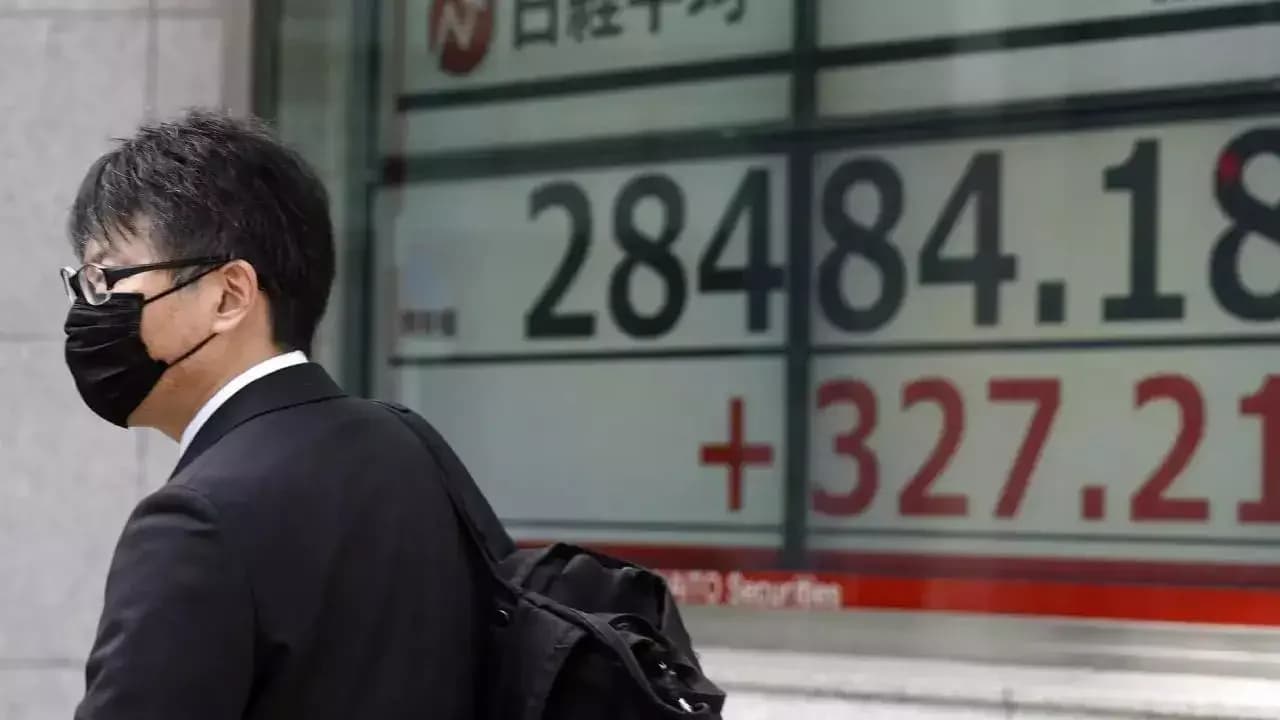
Asian stocks trimmed gains as reports of US strikes on Iranian sites overshadowed optimism for a potential deal with Tehran. According to The Hindu BusinessLine, Asian shares edged up 0.3%, off session highs, as American forces hit missile launch sites in Iran and boats trying to place mines, with US Central Command describing the attacks as defensive in nature. The MSCI Asia Pacific Index pared most of an earlier gain to edge up 0.1%, after climbing as much as 0.4% earlier Tuesday. US equity-index futures rose 0.6%, though gains were more subdued than Monday's holiday-thinned advance when markets were closed. The dollar strengthened against all its Group-of-10 peers, while gold erased earlier gains to fall 0.5% to about $4,545 an ounce.
Crude oil advanced after slumping by more than 7% on Monday, as reports of fresh military strikes in Iran clouded the outlook for an interim deal between Tehran and Washington to reopen the Strait of Hormuz. As reported by The Hindu BusinessLine, Brent rose 2.3% to about $98.30 a barrel, bouncing back from Monday's slump of more than 7% after the strikes. However, West Texas Intermediate crude fell 4.9% to $91.86 a barrel. The euro held onto its gains to trade at $1.1633, while the Japanese yen was little changed at 158.97 per dollar. Treasuries rallied across the curve as cash trading resumed after a break, with the yield on 10-year Treasuries declining five basis points to 4.50%.
US forces struck missile launch sites in southern Iran and boats trying to lay mines on Monday, according to United States Central Command. US President Donald Trump said negotiations with Iran over an interim deal to extend their ceasefire and reopen the strait were 'proceeding nicely'. Pakistan's military chief, Asim Munir, told China an agreement is 'close to being reached'. However, Abbas Keshvani, director of Asia macro strategy at RBC Capital Markets, noted that "the market is going to be cautious, given how previous hopes for a deal were dashed." He added that "progress in the talks could lead to a further reduction in energy prices, inflation expectations, and therefore yields."
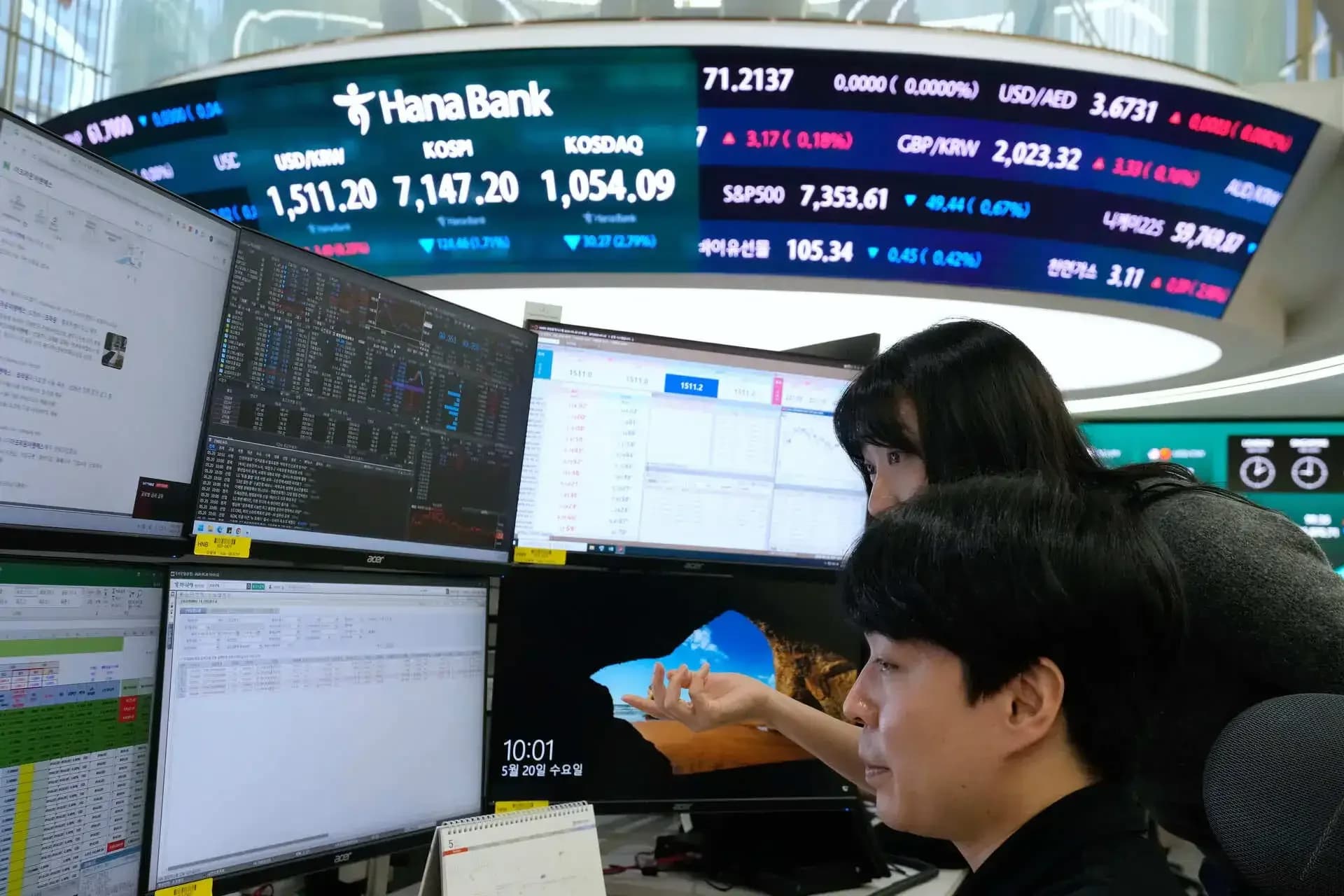
Key sticking points remain unresolved, including the future of Iran's nuclear program. Iran's Tasnim news agency reported the draft agreement could still collapse because of US objections to several provisions, including Tehran's demand that frozen assets be released. Iran's Foreign Ministry Spokesman Esmail Baghaei told reporters on Monday that 'A consensus was reached on many of the topics discussed, but no one can claim that the signing of an agreement is imminent.' Rubio emphasized that "the straits have to be open. They're going to be open one way or the other, so they need to be open," calling the current situation "unlawful, illegal, unsustainable for the world, it's unacceptable."
Despite low odds of an imminent deal, hopes of peace have pushed oil below $100 a barrel, eased pressure on emerging-market currencies, and boosted risk sentiment. Global stocks hit a record Monday as traders bet the worst of the Middle East energy shock may be over after months of conflict disrupted oil supplies, stoked inflation fears and drove bond yields higher. A deal to reopen the Strait of Hormuz and extend the US-Iran ceasefire could further ease pressure in the oil markets and spur the AI-led rally in equities. However, tensions remained as American and Israeli warplanes targeted several Iranian vessels south of Larak Island in the Strait of Hormuz. In other geopolitical news, Russian Foreign Minister Sergei Lavrov urged US Secretary of State Marco Rubio to evacuate American citizens and diplomats from Kyiv ahead of what Moscow said would be an escalation of strikes on the Ukrainian capital.