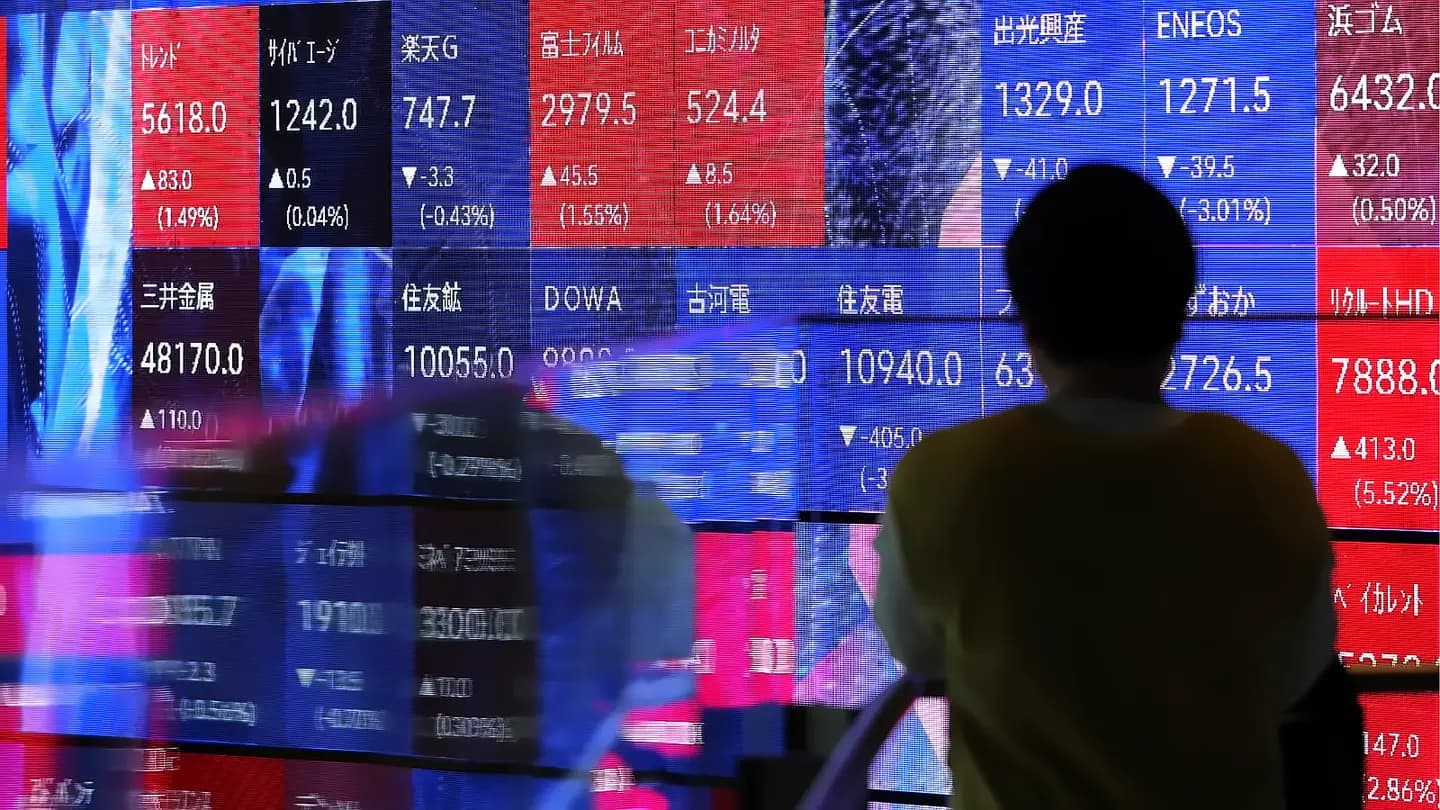
South Korean markets staged a dramatic recovery on Friday, with the Kospi surging 440 points, or 5.76%, to 8,008 as of 03:32 GMT, according to The Economic Times. The benchmark index had earlier faced pressure from global tech selloffs and concerns that the AI-driven rally may be peaking. Despite the strong daily performance, the Kospi remains down 3.84% for the week, highlighting the volatility in the current market environment. The recovery came as Samsung Electronics shares rallied over 8% following reports that Anthropic PBC is in talks with the chipmaker to be a manufacturing partner for a custom AI chip, while SK Hynix jumped 7% and LG Energy Solution climbed marginally. Of the 912 issues traded, 406 shares advanced while 471 declined, showing broad-based participation in the rebound.
Oil prices experienced a roughly $2 move that raised eyebrows, although nothing is remotely close to danger-zone territory, according to Investing.com India. The more likely explanation is that heavily short positioning is being trimmed ahead of the weekend, particularly with the US holiday thinning liquidity and making it easier for a modest headline to send prices rolling up or down. In a thin market, it does not take a tanker fleet to move the barrel; a few traders closing risk and a nervous headline can do the job. The oddity is that the broad market narrative remains firmly bearish, with everyone expecting more Iranian supply to come into the market and the physical story still pointing toward a wave of barrels looking for a home. However, traders are circling back to reports that US officials still have options after Iran rejected direct Doha talks, while President Trump continues to argue diplomacy remains viable.
Following the strikes, the United States and Iran agreed to halt military activities against each other and will meet on Tuesday in Doha, Qatar, to resolve tensions over the Strait of Hormuz, according to Axios. "We decided to stop all the kinetic activity," a senior US official told Axios, using the military's term for strikes and other attacks. A second US official confirmed that both sides would stand down "for now" and that vessels could move freely through the strait as technical talks continue. The agreement follows two nights of renewed hostilities, with Iran having attacked commercial vessels in the Gulf, prompting US strikes on military targets inside Iran, including air defense sites, drone facilities and mine-laying capabilities.
Attention in Asia will focus on South Korea this week, with Samsung Electronics Co. and SK Group set to announce major investment plans alongside policy initiatives, according to Korea Economic Daily. The two groups' investments may total over $1.3 trillion over the next 10 years, as reported by Korea Economic Daily. This development comes as hopes for lasting peace between the US and Iran and optimism over the tech trade have put global stocks on track for their best quarter since 2020. In South Korea specifically, the small-cap Kosdaq gained 0.97% on Monday, showing some resilience despite the broader market decline. The Kospi has climbed 89.25% so far this year, demonstrating the significant gains achieved despite recent volatility.
Despite the recovery, both Korea and crude markets are trading less on grand narrative and more on positioning, liquidity and timing, according to Investing.com India. The AI trade remains crowded with too much capital chasing too few winners, and the rally had become an overcrowded trade with too much certainty embedded in the assumption that spending on AI infrastructure would continue rising in a straight line. The market remains vulnerable to another air pocket if the next earnings or capex signal disappoints. Similarly, oil may still have a supply problem waiting down the road, but heading into a thin holiday weekend, the market is pricing a little insurance against the possibility that the geopolitical weather map changes before Monday. Foreign investors emerged as net sellers of shares worth 1,501.9 billion won, while the won weakened to 1,544.4 per USD, down 0.28% from the previous close.