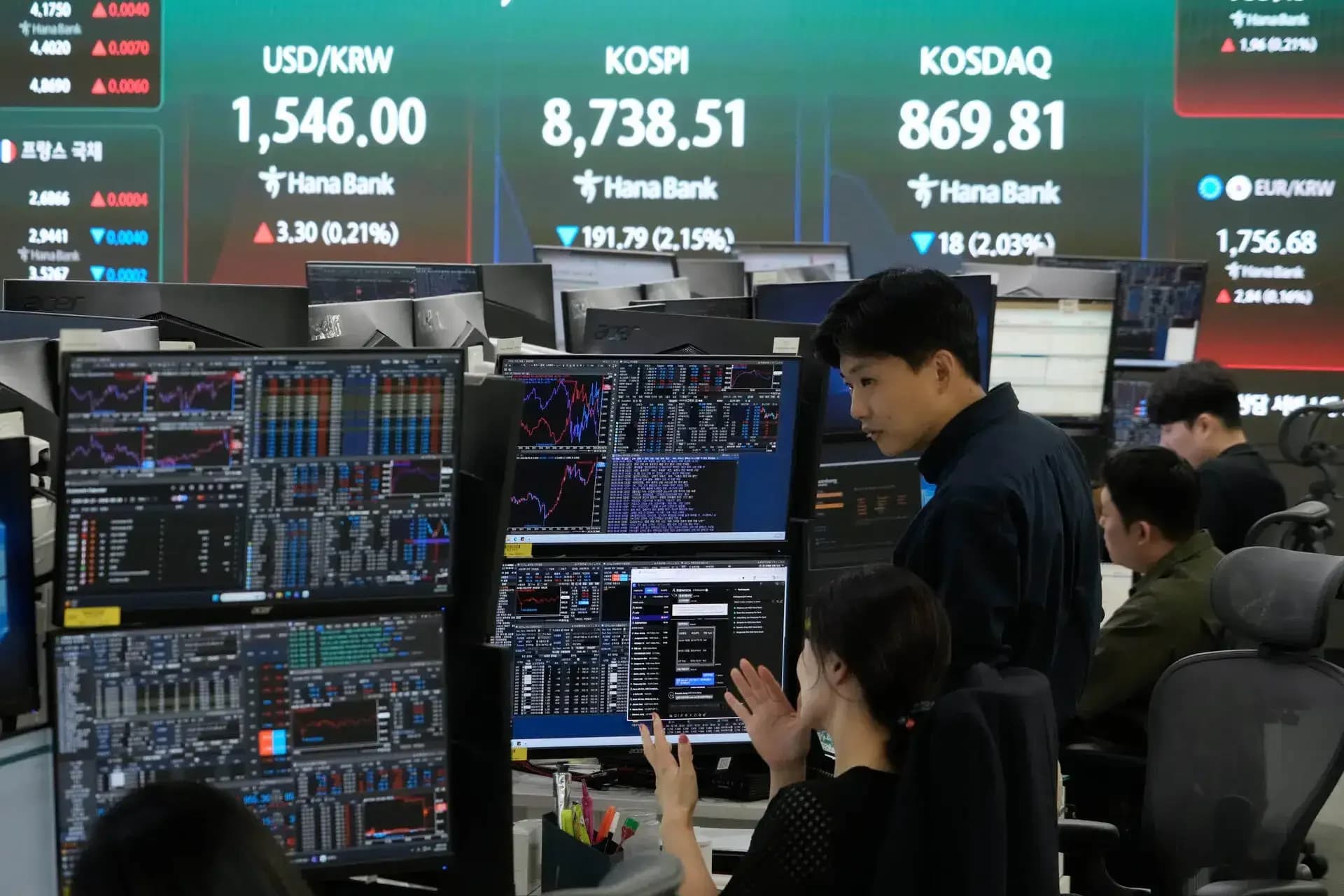
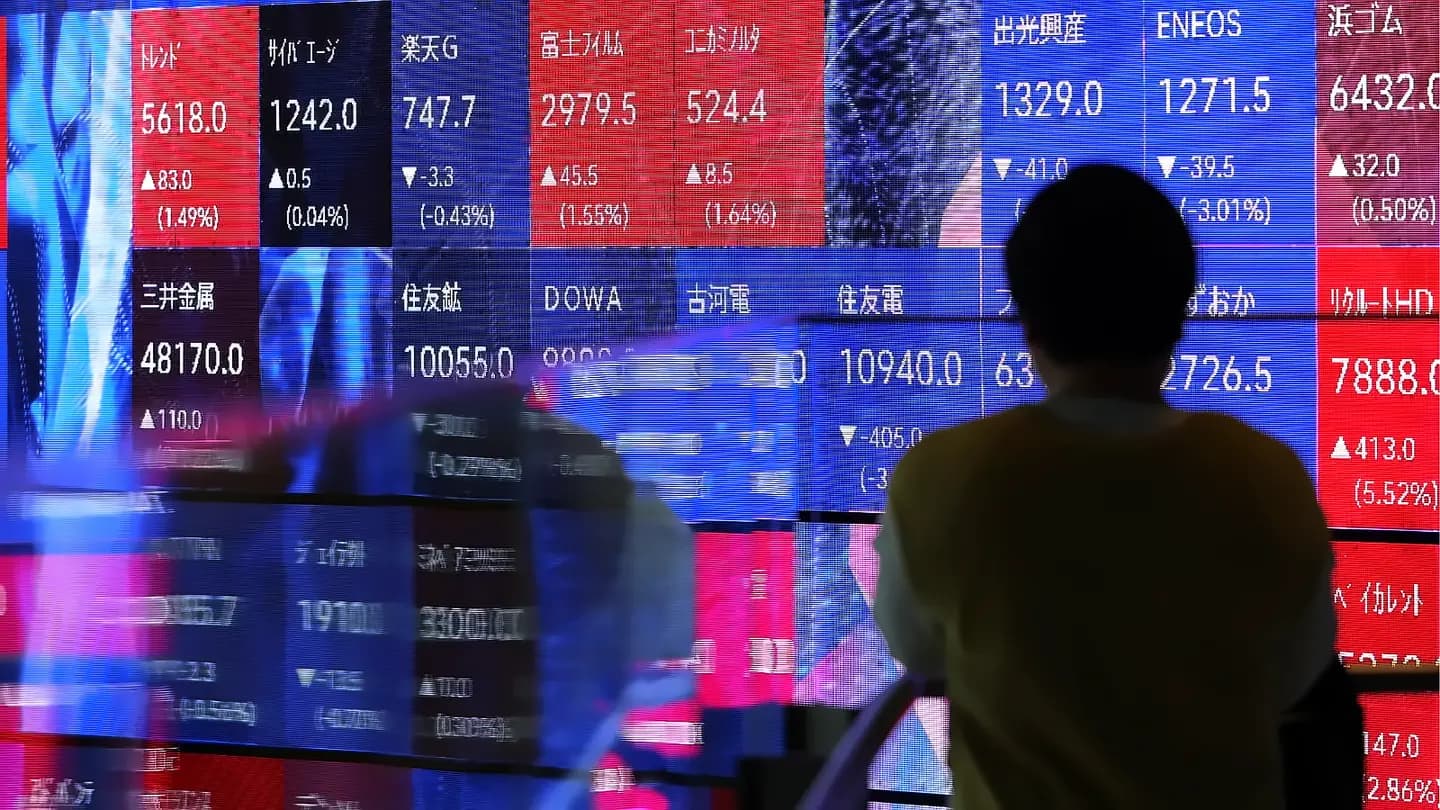
Japanese markets displayed strong performance on Thursday with the Nikkei 225 rising 0.47% to 66,424.44 and the Topix edging up 0.39% to 4,048.79 by midday, as reported by The Economic Times. The rally was primarily driven by semiconductor stocks, with Advantest jumping 4.1%, Lasertec gaining 5.0%, and SoftBank Group advancing 3.8%, while technology investor SoftBank Group gained 2.09%. Memory maker Kioxia edged up 0.76%, reflecting the broader positive sentiment in the chip sector. The gains were further reinforced by strong quarterly results from Alphabet and its higher capital spending plans, which reinforced expectations of continued global investment in AI infrastructure. However, the rally was tempered by concerns over an early interest rate hike from the Bank of Japan, which limited overall market gains.
Oil prices extended their advance after another flare-up in the Middle East raised fresh concerns over global energy supplies. Brent crude for September delivery climbed 2% to $95.99 a barrel, while U.S. West Texas Intermediate rose about 1.7% to $88.27 a barrel, as reported by NDTV Profit. The latest gains followed reports that Iran-backed Houthi militants targeted two Saudi Arabian oil tankers in the Red Sea, raising concerns over global energy supplies. This represents a significant increase from the previous session when Brent crude had hit its highest since mid-June at $91.42 a barrel before retreating to $88.88 per barrel. Murata Manufacturing added 2.7% to the chip sector gains, reflecting the broader positive sentiment in technology stocks.
Banking shares rose significantly as Japanese government bond yields jumped on bets for a rate hike, with Mizuho Financial Group rising 2.8% to become the top percentage gainer on the Nikkei, as reported by The Economic Times. Sumitomo Mitsui Financial Group rose 1.3% and Mitsubishi UFJ Financial Group gained 2.2%, benefiting from the increased yield environment. The banking sector's performance contrasted sharply with retailers focused on domestic demand, which saw their stock values decline, with Takashimya, Isetan Mitsukoshi Holdings and Seven & i Holdings declining more than 2% each. Of the 1,500 stocks trading on the Tokyo Stock Exchange's prime market, 41% rose, 55% fell and 3% traded flat.
Investor focus this week will be on earnings from Alphabet and Intel along with other firms to gauge the impact of the war and whether the AI trade has more room to run given sky-high profit expectations for the second-quarter, according to Business Standard. Global stocks, led by chipmakers, have been hit by severe volatility in recent weeks as investors fret about high valuations, pace of profit growth and whether the investment into AI infrastructure will yield tangible results. Strong earnings from Asian chip bellwethers Samsung Electronics and TSMC in recent weeks were not enough to satisfy investor expectations, underscoring the challenge facing the industry. Fred Neumann, chief Asia economist at HSBC in Hong Kong, noted that while demand for AI hardware remains red hot, with companies barely able to keep up supply, investor expectations for earnings have become increasingly lofty, rendering the sector vulnerable even to a marginal adjustment in projections.
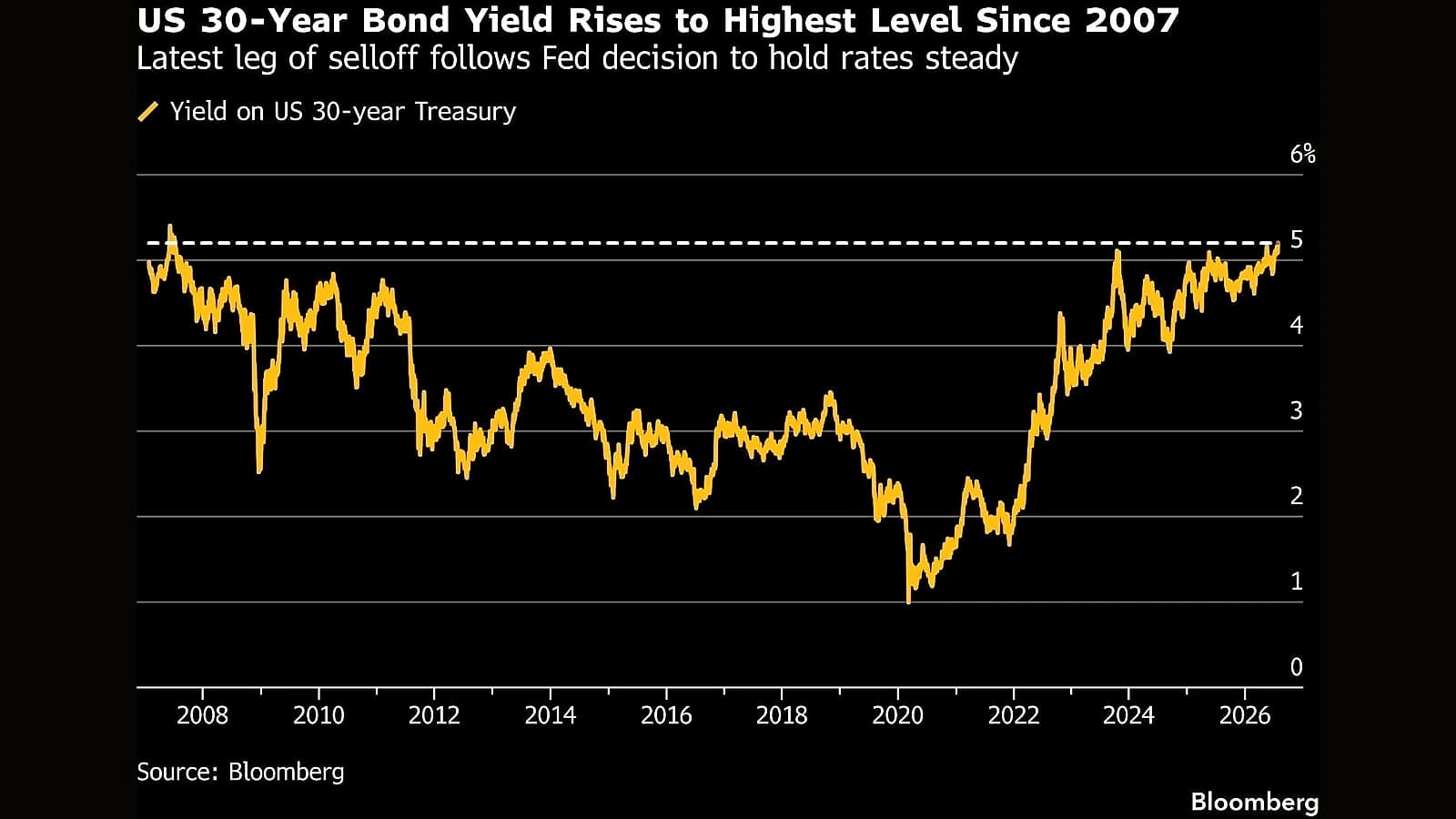
The oil price surge has shifted Fed policy expectations significantly, with traders pricing in 33 basis points of interest rate increases this year, with a hike fully priced in for October, as reported by Business Standard. However, markets continue to anticipate no change to rates at the Federal Reserve's next meeting on July 29, with Fed funds futures pricing an implied 85.6% probability of a hold, compared to a 61.5% chance a month ago, according to the CME Group's FedWatch tool. This represents a notable shift from previous expectations, with the balance of risks moving in the direction of an earlier hike than anticipated. The 2-year note yield, which typically moves in step with Federal Reserve interest-rate expectations, was at 4.206% in Asian hours after gaining 4 basis points on Monday. The shift has come just as investors question sky-high valuations for chip and AI stocks, with the jump in yields pressuring equities and lifting the valuation bar for future corporate earnings.