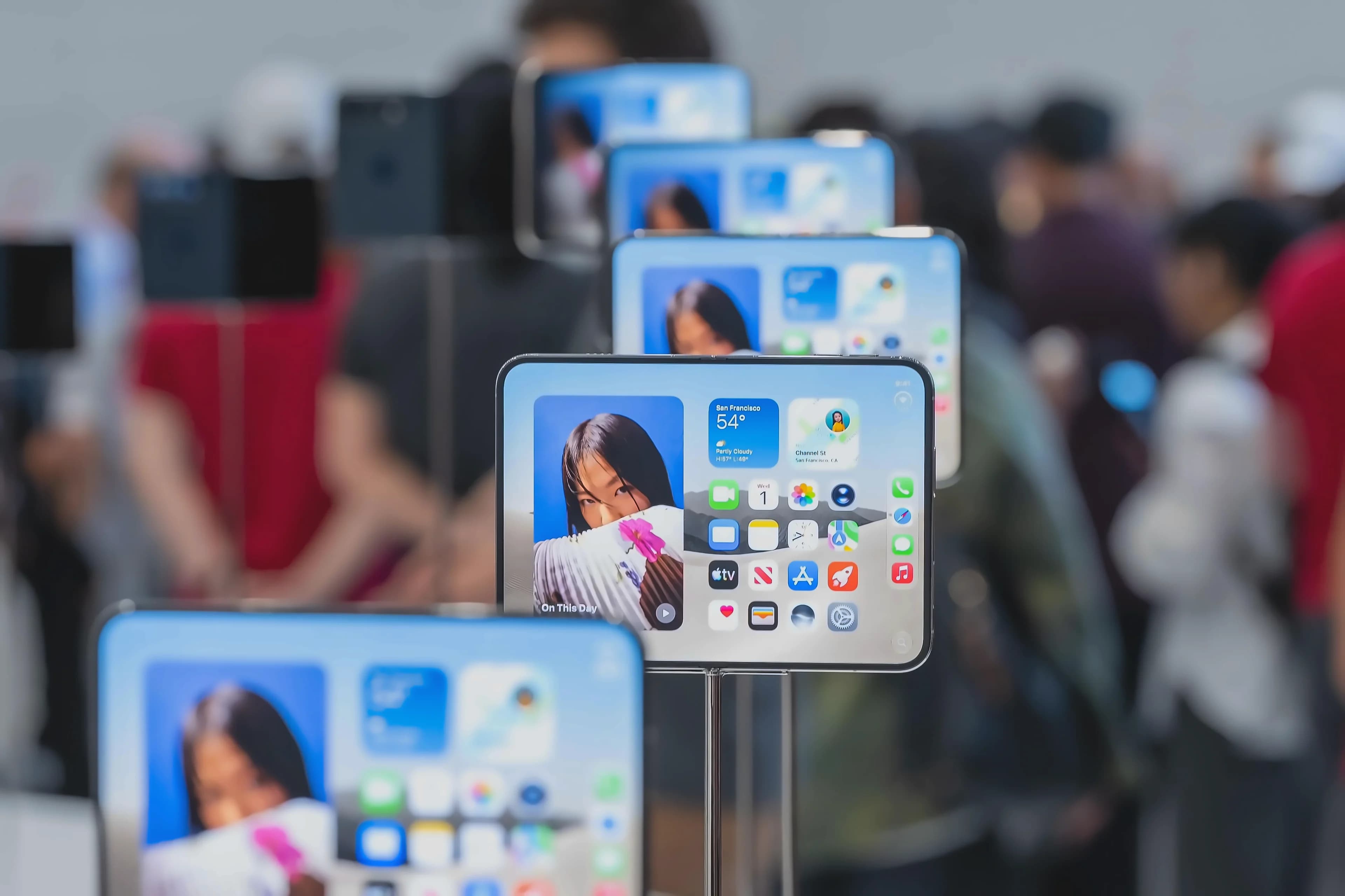
As Tim Cook prepares to pass the leadership baton to John Ternus, Apple's senior vice president of hardware engineering, the technology giant is simultaneously strengthening its global supply chain through strategic investments. According to reports from Business Standard, India is positioned to play an increasingly central role as Ternus takes charge, with Apple expected to shift 30-35% of its global iPhone production to India over the next five years, up from the current 25% share. This transition comes as India has already emerged as a major manufacturing hub, producing one out of four iPhones globally and becoming one of the fastest-growing iPhone markets. Ternus is scheduled to take over as CEO on September 1, allowing him to concentrate on Apple's products and services as the company works to make its manufacturing network more resilient.
The Indian government has provided significant support for Apple's expansion with a ₹62,500-crore incentive package for the next five years for mobile phone manufacturing, following the end of the production-linked incentive scheme in FY26. As reported by Business Standard, the government has also extended tax exemptions for contract manufacturing till March 31, 2041, with Apple vendors expected to be the biggest beneficiaries. The overall annual production value could rise from $25 billion in FY26 to around $40-45 billion by FY31, according to a Ministry of Electronics and Information Technology official. Apple has built a supply chain with 40-odd companies, including home-grown players like the Tatas and Aditya Birla Group, with the electronics ecosystem also supplying to aerospace, robotics, and defence sectors. The government's coordinated approach, spanning from the Prime Minister's Office to various ministries, has provided Apple with what vendors describe as a "whole of government approach to business."
India has achieved a significant milestone as the fourth-largest global market for Apple iPhone shipments in Q2 2026, according to latest Omdia data. As reported by Business Standard, Apple shipped 3.45 million iPhones to India in Q2 2026, accounting for 6.25% of its global shipments and giving it a 10% domestic market share. This positions India behind only the United States, China, and Japan, with the country ahead of the UK, Canada, and Germany in shipments. However, the US topped the charts with 17.61 million iPhone shipments in the second quarter, accounting for 31.9% of Apple's global total, while China followed with 12.43 million units and Japan represented 4.50 million shipments. Analysts suggest India's next immediate milestone is taking third place from Japan, though Omdia projects this will require several years given Japan's higher-value market structure.
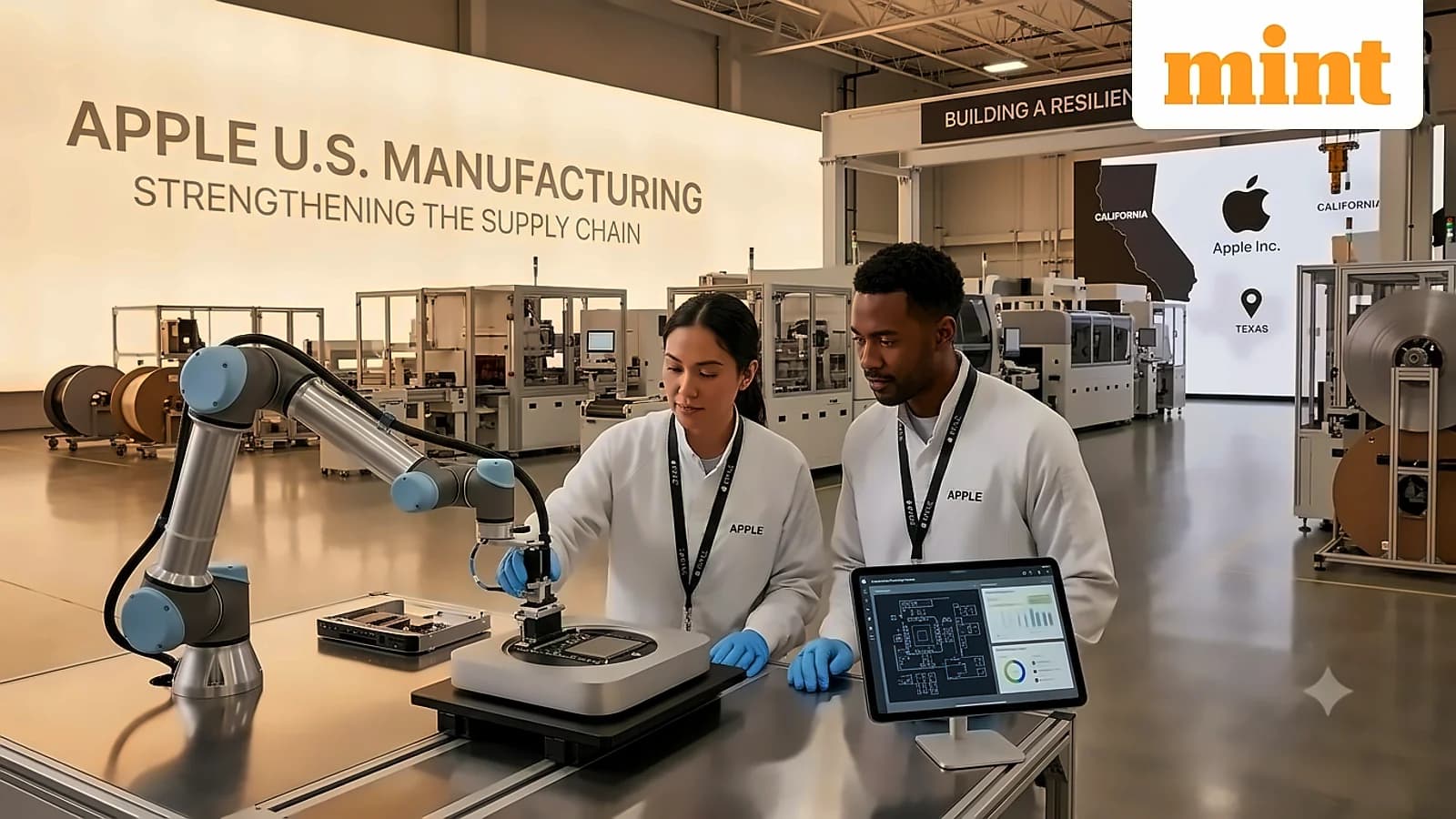
The Texas investment will focus on producing the Mac mini at a new facility in Houston, along with manufacturing and shipping Apple's advanced artificial intelligence servers. As reported by Live Mint, Apple has also entered into a long-term agreement with Broadcom to develop and manufacture custom silicon components and advanced wireless technologies, with the partnership expected to be worth more than $30 billion. Cook stated on the company's fiscal Q3 earnings call that this marks Apple's largest-ever American manufacturing program commitment and represents an important step forward in building an end-to-end silicon supply chain in the US. The strategic partnerships position Apple well across multiple manufacturing locations as it diversifies its global supply chain.
Apple's recent AI hardware developments include the Mac Studio with M5 Ultra and 512GB unified memory, which allows local inference of large open models, and the M6 as Apple's first 2nm chip. According to industry analysis, this positions Apple well in the AI infrastructure market, particularly for law firms and healthcare companies with HIPAA constraints, as it changes economics from per-token to capital asset models. However, some industry experts suggest Apple has "fumbled the ball" on AI software despite superior hardware, calling on new CEO John Ternus to "unleash your amazing hardware with much better software." The company's focus on accessible premiumisation for price-sensitive markets like India, where it has tapped into the growing super premium phone segment accounting for 6% of global iPhone shipments, could help secure better positions through improved product localisation.
Despite India's strong performance, growth projections for the Indian market have moderated due to memory-led price increases in 2026 and 2027. As reported by Business Standard, iPhone growth in India — previously running at 10–12% quarter-on-quarter — is now projected to ease due to these pricing pressures. The Japanese market presents a contrasting scenario, where iPhones command a 50–60% share of Japan's total smartphone market compared to India's 10% share, despite Japan being a smaller market averaging 10 million smartphone sales per quarter versus India's 35 million. Japan's mature market structure and high-end focus on Pro and Pro Max models differ significantly from India's base model sales through retail channels, where price increases immediately impact volume. This highlights the different market dynamics and growth trajectories across Apple's key global markets.