Alcohol stocks experienced significant gains following the midterm election results, with Constellation Brands Inc. rising as much as 7.4%, marking its largest increase since April. According to reports from Bloomberg, other major alcohol companies including Boston Beer Co., Brown-Forman Corp., and Molson Coors Beverage Co. also posted substantial gains. Investors are betting that a new Congress will push back on the Trump administration's immigration and trade policies that have negatively impacted the booze business. The potential for changes to immigration policing and tariffs on important alcohol markets including Canada are a rare bright spot for an industry that is struggling with lower consumption in the US.
Bank of America analyst Peter Galbo raised his recommendation for Constellation Brands due to improved immigration conditions. As reported by Bloomberg, Galbo noted that Hispanic consumers represent around 40% of the company's US beer business, and tighter immigration policies have reduced that population through border control and fewer social gatherings. The analyst believes Democratic control of Congress reduces the risk of further tightening in the immigration backdrop, which has been a significant headwind for the company's beer business. Earlier this year, Constellation told analysts that communities with higher Hispanic representation have remained challenging, though that pressure has eased more recently.
Shares of Brown-Forman rose on expectations that tensions between the US and Canada could subside. According to Bloomberg, the maker of Jack Daniel's whiskey and Woodford Reserve bourbon brands has been largely shut out from the critical Canadian market as provinces locked out US labels in response to President Trump's tariffs on Canadian products. TD Cowen analyst Seamus Cassidy indicated that a reversal in trade tensions would be a significant offset to weakness in the business, which has been in decline or growing slowly. "It would be a pretty significant offset to some of the weakness" in sales for a business that's in decline or growing, Cassidy said on Wednesday.
The trade tensions have severely impacted Brown-Forman's Canadian operations, with spirits sales to Canada falling 70% from $232 million to $72 million since 2025, when US products were largely removed from liquor store shelves. As reported by Bloomberg, citing the Distilled Spirits Council of the United States, whisky sales in Canada are only a small fraction for Brown-Forman, but a reversal in trade tensions would be quite beneficial for the company. The Louisville-based firm generates around 3% of its sales in Canada, making the export market increasingly important as its US business has slowed.
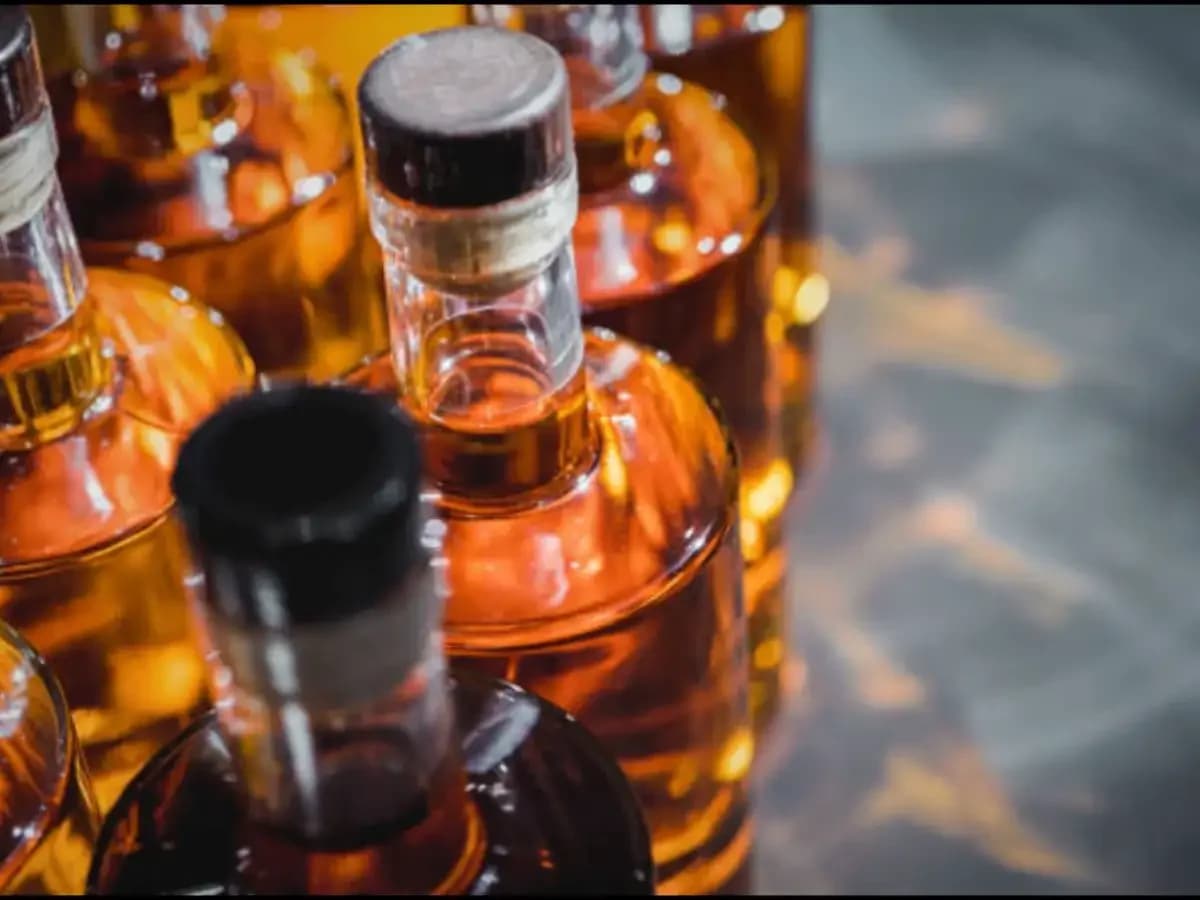
Despite the positive election developments, the alcohol industry continues to face significant consumption challenges. According to a recent Gallup poll cited by The Economic Times, the portion of Americans who say they drink has remained at historic lows, though the average number of beverages consumed has inched higher this year. Additionally, spending on alcohol hit record lows last year due to economic strain and growing demand for alternatives like THC-infused drinks, highlighting the industry's ongoing struggle with declining consumption patterns.