The artificial intelligence-led market rally continues to face challenges as investors experience what market strategist Ed Yardeni from Yardeni Research calls 'AI fatigue'. According to Yardeni, "People are just getting really tired of the AI trade. It is making everybody's head spin because there are so many issues being raised about where this is all going." However, he emphasizes that "everybody recognises that AI is the real deal, that it is a technology that is here to stay, that it could be as important, if not more important, than the internet." The latest developments show Asian equities edged lower as investors turned cautious after a rally in chipmakers and other tech stocks helped propel them to their best quarter in 17 years, with MSCI's regional equities gauge dropping 0.2%, snapping a two-day gain. This rotation reflects investors becoming more selective as the technology matures, with healthcare, financials, and transportation sectors showing robust participation beyond the narrow AI-driven rally.

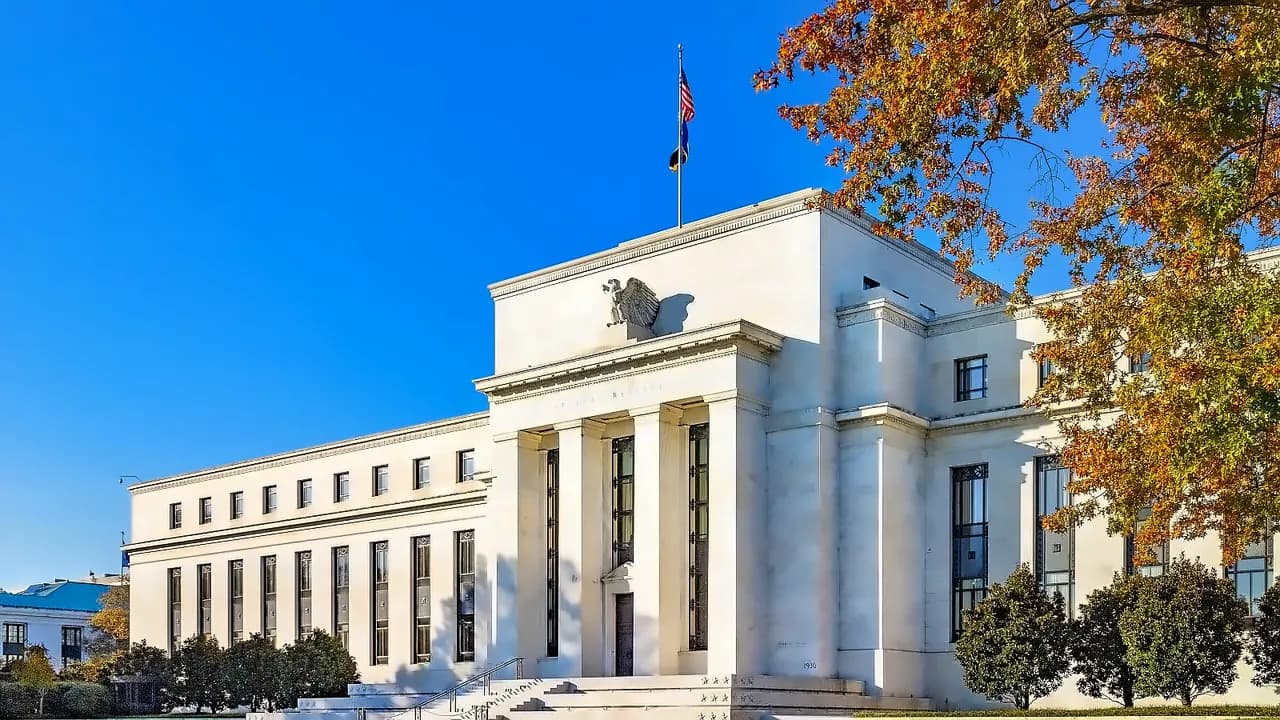
Inflation concerns are strengthening expectations that the US Federal Reserve could keep interest rates higher for longer, lending support to the dollar while weighing on commodities and emerging markets. According to Yardeni's analysis, "the Fed, certainly as a result of the latest meeting of the Federal Open Market Committee and the recent comments by the new Fed Chair, Kevin Warsh, came across as very hawkish." However, he argues that "inflation is coming down, thanks to the drop in oil prices, and other factors may also contribute to that." Latest US economic data reinforced this view, with US job openings little changed in May signaling labor demand remained steady, while consumer confidence edged higher in June as lower gasoline prices helped offset concerns about the job market. Steady employment data and elevated inflation readings have raised expectations that the Fed may need to raise interest rates later this year to tame price pressures.
Strong corporate earnings continue to justify elevated equity valuations, with 2Q expected to show over 20% growth and the year ending with more than 20% EPS growth overall. According to Yardeni's assessment, what is holding up the whole market is strong earnings growth, with valuations remaining high but supported by good earnings growth. The latest market performance reflects this strength, with Japan's Nikkei 225 Stock Average gaining more than 37% — the best three-month performance on record, while South Korea's Kospi jumped almost 70% last quarter, the best advance since 1998. However, as noted by Eastspring Investments portfolio manager Christina Woon, "Being selective this quarter is going to be quite important" due to elevated market levels and volatility.
Expectations of higher US interest rates are strengthening the dollar, creating headwinds for gold, silver and other commodities. According to Yardeni's analysis, "a stronger dollar definitely works against all commodities," with the dollar expected to keep going up, which is negative for the commodities market. The latest market movements show Brent crude rose 0.4% to $73.20 a barrel, reversing its losses from Tuesday, even as the US said it had positive talks in Doha on a deal with Iran. However, gold slipped 0.6% amid dollar strength. The Bloomberg Dollar Spot Index rose 0.2%, with the Japanese yen falling 0.1% to 162.75 per dollar after falling to a 40-year low this week. This dollar strength is particularly concerning for emerging market investors and commodity-dependent economies.
Yardeni's assessment suggests that while interest rate expectations remain important, investors are paying greater attention to earnings growth, market leadership beyond technology, and the long-term commercialisation of artificial intelligence. His view indicates that "a broadening market could replace the narrow AI-driven rally that has dominated Wall Street over the past year." The equities rally faces key tests with Federal Reserve Chairman Kevin Warsh speaking in Europe Wednesday, before attention shifts to the US June payrolls report on Thursday for clues about the path of interest rates. According to The Economic Times, Yardeni noted that "the war in the Middle East seems to be over" and "the labour market is in balance with supply more or less equal to demand," suggesting the Fed's priority should continue to be inflation rather than employment.