The government has issued key clarifications regarding UPI Merchant Discount Rate (MDR) implementation, confirming that ordinary consumers will face no charges for UPI transactions. According to Mint, consumers making payments through UPI will not face any charges, with individual account holders continuing to use UPI applications for all routine, daily expenses without worrying about any charges. P2P transactions will continue to be free-of-cost for both payer and beneficiary, with zero charges applying whether transferring money to family members, splitting bills with friends, or performing self-transfers across linked bank accounts. Shares of digital payments companies showed mixed movement on October 9 as the National Payments Corporation of India (NPCI) prepares to decide on the deferment, with Paytm shares rising 2.10% to ₹1,676 while MobiKwik gained 2.40% to ₹250.40 in early trade, while Pine Labs remained down 1.32% at ₹167.55 as of 9:28 am. The UPI Steering Committee is scheduled to meet in the first half of the day to decide on the deferment, with an announcement likely around 1-2 pm.
The proposed merchant discount rate (MDR) on UPI payments is now expected to take effect from January 1, 2027, representing a deferment from the earlier date of October 15. According to Reuters, officials are weighing a multi-month delay for the rollout on larger transactions, with the likely delay ensuring retail payments are not impacted during the festive season and give the payments industry more time to prepare for the change. A final decision on the deferment is yet to be taken by the National Payments Corporation of India (NPCI), with the possible shift coming ahead of the festive season when merchants typically see higher transaction activity and consumers make greater use of digital payments. Citing people familiar with the matter, Financial Express reported that there is no proposal to alter the MDR framework itself, with the change under consideration being limited to the implementation date. The charge is scheduled to take effect on October 15, coinciding with the annual festive season, which runs from October through December and usually brings a significant increase in consumer spending.
The Global Trade Research Initiative (GTRI) has urged the government to withdraw the proposed UPI charges set for October 15, with GTRI Founder Ajay Srivastava stating that the government should withdraw the proposed UPI charges and keep UPI free for merchants and consumers. According to The Hindu BusinessLine, GTRI argues that charging merchants could raise prices, squeeze small business earnings and weaken household demand. The think tank warns that the charges would also reduce UPI's price advantage over cards, benefiting US card networks and payment platforms. Srivastava noted that PhonePe and Google Pay, which together handle more than 80 per cent of UPI transactions, could earn a share of merchant fees if the fee-sharing arrangement provides for it, with their market dominance giving them a large potential base for such earnings. He added that Visa and Mastercard could benefit when UPI loses part of its price advantage, with free UPI allowing merchants to receive the full payment while an MDR reduces that benefit and could make cards more competitive. GTRI emphasized that India should resist US pressure to weaken UPI, drawing on Brazil's defence of Pix, its domestic digital-payment system, arguing that UPI's affordability and widespread acceptance are economic strengths that India should preserve. The think tank pointed out that annual UPI payment value exceeded 91 per cent of India's GDP last year, indicating the system's reach, but warned that the proposed fees could affect the economy beyond the transactions directly charged.
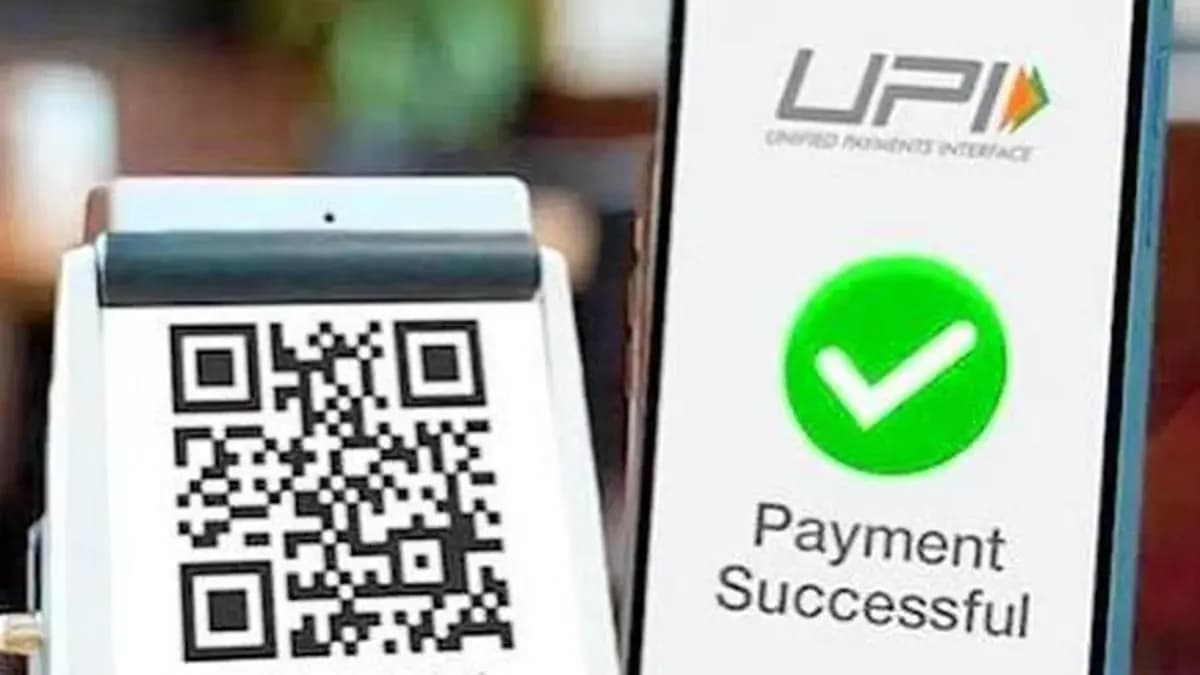
The new MDR framework is set to provide significantly expanded protection for small merchants, with the exemption threshold increased from ₹1 lakh monthly turnover to ₹40 lakh annual turnover. According to Business Standard, the committee is also considering exempting businesses with annual turnover of up to ₹40 lakh from MDR, representing a substantial expansion from the existing framework. This protection ensures that small merchants covered under the P2PM framework will continue to have zero MDR, with the framework covering small vendors receiving up to ₹1 lakh a month through UPI QR directly into their accounts. The ₹300 cap on MDR charges provides merchants with a clear cost structure for UPI transactions above the specified threshold, while small-value UPI transactions up to ₹2,000, which constitute over 95% of total volume, will remain free of MDR charges. The ₹5 fixed rate for select categories such as fuel, education and bill payments will apply for transactions above ₹2,000, rather than the variable 0.4% rate. Diwanji noted that there would be little administrative burden for merchants, stating that UPI systems can automatically make the required deduction at the merchant level, meaning there should be no significant additional process for collections or payments.
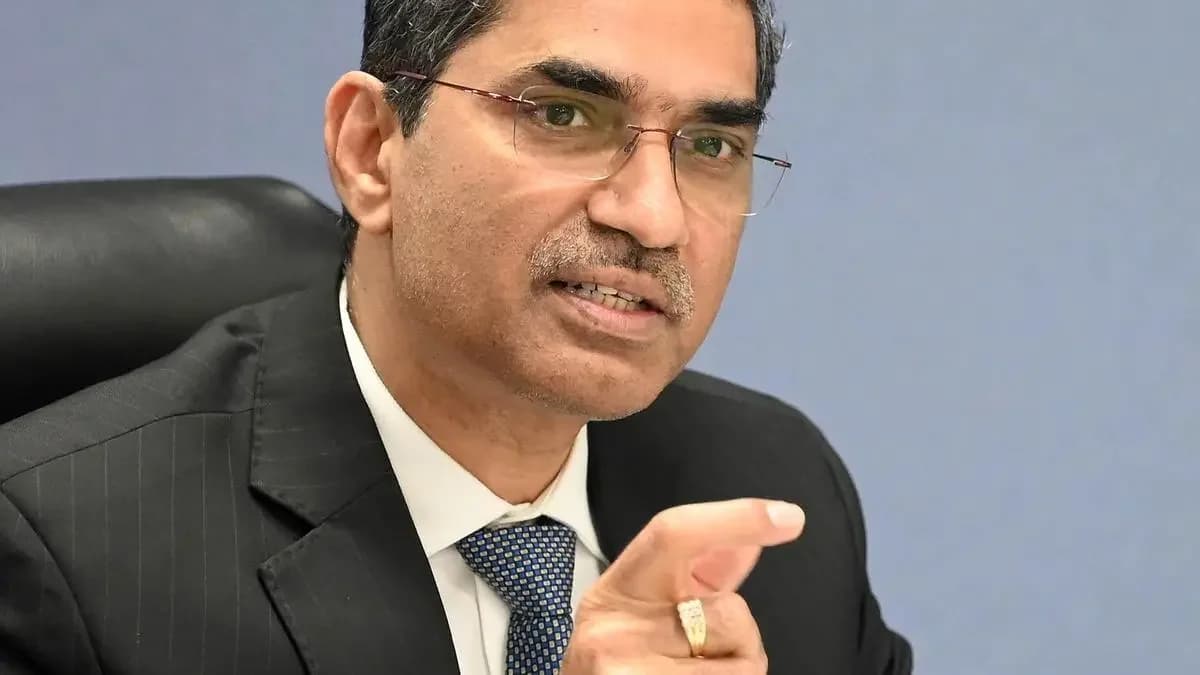
Reserve Bank of India Governor Sanjay Malhotra on Wednesday said levying a 'small fee' in the form of merchant discount rate (MDR) is unlikely to have a 'major impact' on UPI transaction volumes, speaking at the post-monetary policy press conference. "As of now, we do not see any drop in volumes. And I don't personally think that a small fee will have a major impact on the volumes," he told reporters at the central bank headquarters. He said the RBI is conscious of the potential adverse impact on asset quality at non-bank lenders amid flush liquidity, but made it clear that the central bank does not expect such an eventuality to play out. The government has clarified that UPI will continue to be free for consumers, with no transaction fee imposed on person-to-person payments, as reported by The Times of India. The objective behind introducing a reasonable MDR is to keep UPI accessible and convenient for everyday payments while also supporting the long-term sustainability of the UPI ecosystem. The notification follows an amendment to Section 10A of the Payment and Settlement Systems Act, 2007, which established a framework allowing Merchant Discount Rate (MDR) to be imposed on payments made through UPI and other electronic payment methods notified under the law. Parliament approved the amendment Bill during the Monsoon Session in August this year. Shares of Indian digital payments companies fell on Thursday following reports of the possible delay, with Paytm dropping 7.6% while One Mobikwik Systems declined 7.2%, according to The Times of India. Diwanji does not expect the proposal to face a major consumer backlash, arguing that the impact on consumers is limited and that resistance largely comes from merchants despite the relatively small financial impact.