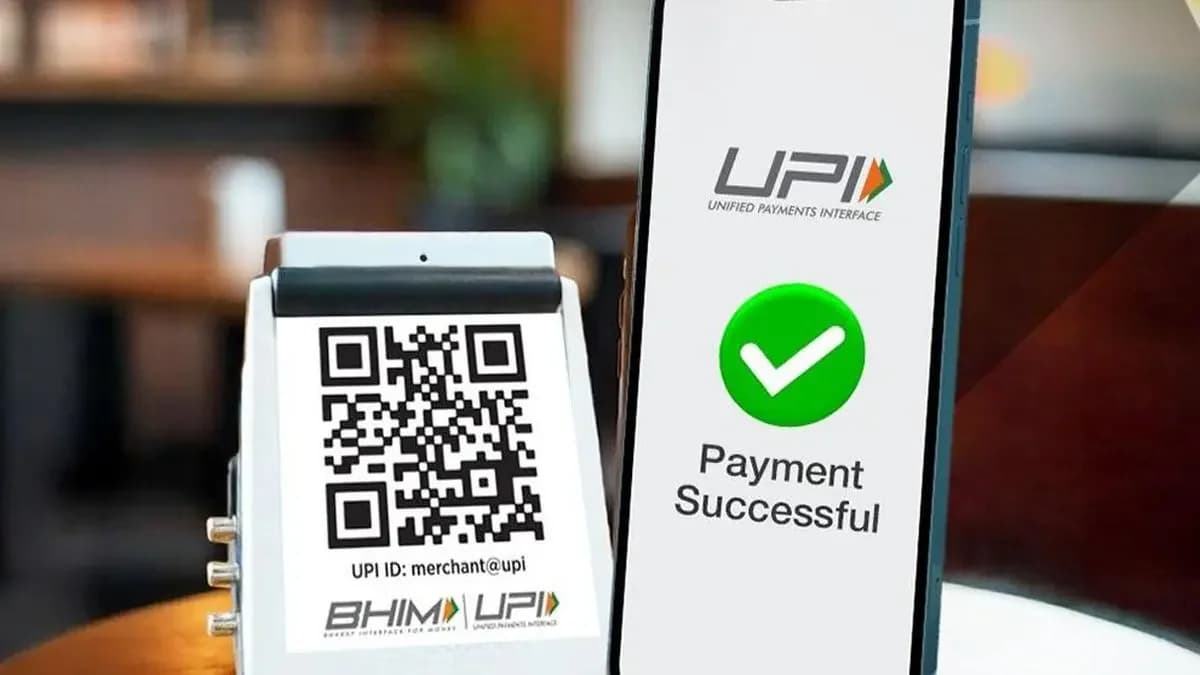
The Nepal Embassy in India has provided a detailed solution for Indian donors experiencing technical difficulties with QR code payments to the Prime Minister Disaster Relief Fund. According to the latest guidance from the embassy, donors who encounter problems with designated QR codes are requested to activate UPI International before proceeding with payments. The embassy explains that once this feature is turned on, donors can rescan the QR code and complete the contribution as an international UPI transaction. The embassy notes that "The exact activation process and validity period may vary depending on the bank or UPI application." For those who still face technical difficulties, contributions may also be made directly through the official online gateway at http://pmdrf.nchl.com.np. The embassy stated that it "deeply appreciates the solidarity, compassion and support extended by friends of Nepal in India during this difficult time."
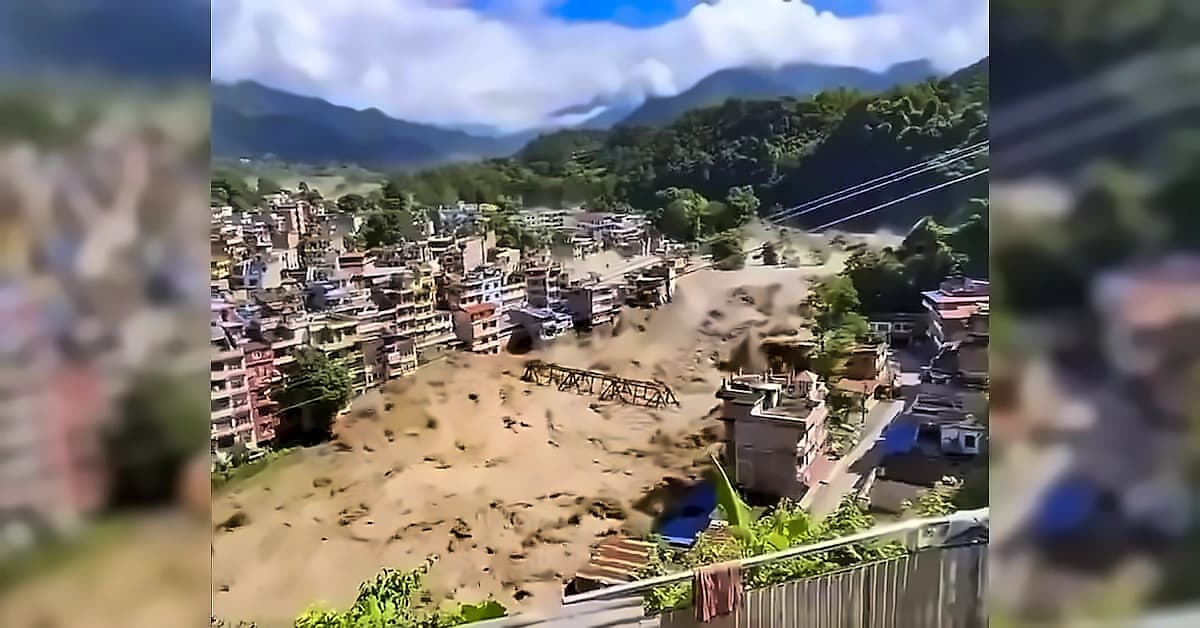
The call for donations comes amid devastating flash floods in Nepal that have claimed nearly 1,000 lives, with about 4,000 people, including locals and tourists, remaining missing. As reported by Business Standard, the floods were triggered last week near the Nepal-Tibet border, prompting the embassy's appeal for international assistance. The latest figures from Nepali authorities show at least 1,000 deaths and more than 3,900 missing, including hundreds of tourists, trekkers and pilgrims from more than 39 countries reported unaccounted for. The disaster began after a major glacier and rock collapse near the Nepal-China border sent a surge of water, mud and debris through the Bhote Koshi river system. Nepal also issued a fresh flood warning on 28 August after water levels rose again in the same area where the major flood occurred on 26 August. The Government of Nepal has established the "one door policy" through Nepal Clearing House Ltd., making it the official channel for all donors to use.
India has intensified its humanitarian support for flood-hit Nepal, with 158 Indian citizens safely evacuated following catastrophic flooding that struck the Himalayan nation during the preceding week. According to the Ministry of External Affairs, a fourth flight arrived in Kathmandu on Sunday carrying 11 tonnes of emergency cargo, including blankets, sleeping bags, heavy-duty tarpaulins, plastic sheeting, and hygiene kits. The MEA stated that "The fourth flight carrying 11 tonnes of relief supplies has arrived in Nepal, with the materials handed over to the concerned authorities as part of ongoing support following the devastating floods." Additionally, Indian forensics experts and specialized tunnel rescue squads are currently spearheading search, relief, and excavation efforts. In Kathmandu, specialized forensics teams discussed protocol optimization with Nepal Police's Forensic Science Laboratory, while Indian tunnel rescue teams worked in coordination with the Nepali Army at Chilime and Langtang hydropower sites.
Donors are required to switch on the UPI International feature on their digital payments apps to transact using an authorised online payment gateway listed by the Government of Nepal. According to Business Standard, once activated for a particular country, Indian users can transact in Nepal for a week. The system converts amounts from Indian rupees to Nepalese rupees as users enter them, with the payment processed through established gateways. Per Nepal Rastra Bank (NRB) regulations, single transfers are capped at roughly £4,762 per transaction. Other accepted payment methods include debit and credit cards on Visa and Mastercard for international users. The Government of Nepal's official disaster fund, processed through Nepal Clearing House Ltd., accepts UPI, QR codes, mobile banking, and international debit/credit cards in both USD and NPR. The Office of the Prime Minister and Council of Ministers (OPMCM) has launched the Rescue Request Portal, where travellers and families can submit rescue requests, register missing persons' reports, and check on records of relief supply distributions.
UPI International stands alongside Chinese payment methods such as Alipay+ and UnionPay to facilitate cross-border donations to disaster-hit countries. As noted by Business Standard, Ashwin Bhatnagar, CEO and co-founder of cross-border fintech Xflow, highlighted that this placement alongside established rails shows scale and trust are starting to translate into global acceptance. The recognition by a foreign government represents a significant milestone for UPI's international expansion beyond domestic dominance. What stands out is that a foreign entity is choosing to collect through UPI rather than traditional banking channels, a use case we expect to grow as global organisations recognise that offering UPI as a collection option makes them easier to pay into.
UPI International is currently accepted in France, Qatar, the United Arab Emirates (UAE), Bhutan, Cambodia, Singapore, Sri Lanka and Mauritius, with deployments underway in other regions. According to Business Standard, the first phase covered QR code-based person-to-merchant transactions, with UPI crossing the 1 lakh transaction mark within six months of acceptance in Nepal in August 2024. The system was launched in March 2024 through a partnership between NPCI International Payments (NIPL) and Nepal's largest payment network Fonepay Payment Service. Travellers flying to Nepal should distinguish between Kathmandu airport operations and access to the flood-hit north. Tribhuvan International Airport in Kathmandu is continuing to list domestic and international arrivals and departures, but main disruption is on the ground, with roads and bridges leading towards Rasuwa, Syabrubesi and the Tibet border damaged by the floods. Authorities have advised against travelling into affected areas while rescue operations continue.