The Telecom Regulatory Authority of India (TRAI) has officially issued the Direction on use of 1601 series numbers for transactional and service calls by entities in sectors other than Banking, Financial Services & Insurance (BFSI) and Government. According to TRAI, this separate series has been issued to avoid mixing of important financial voice calls with service and transactional calls from other sectors. The move comes after widespread adoption of the 1600-series numbers for service and transactional calls by BFSI sector entities, which has provided valuable experience for extending the trusted numbering framework to other sectors. Based on consultations with stakeholders, it has been decided to implement the series covering entities in Utilities, Courier and Logistics sectors under Phase-I. As per TRAI, considering the critical and sensitive nature of communications made by the entities in BFSI sector and government, this separate series has been issued for the sectors other than BFSI and Government in order to avoid mixing of important financial voice calls with the service and transactional calls from the other sectors.
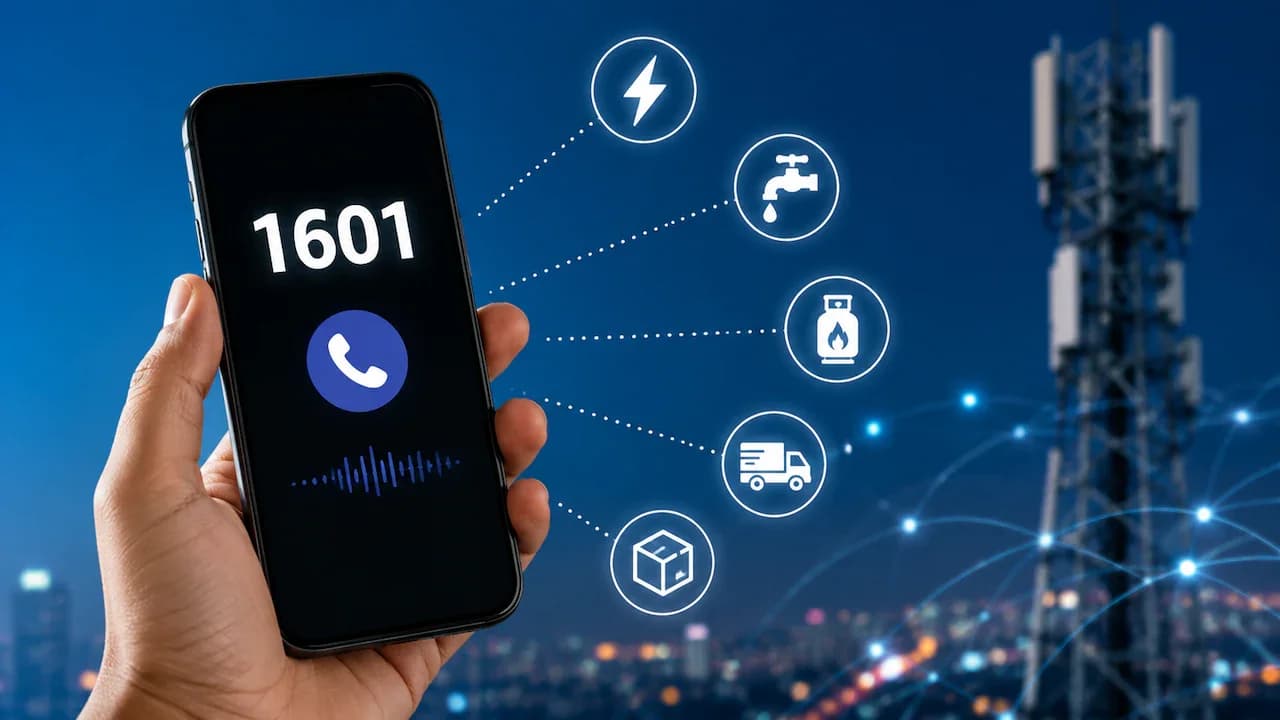
In the first phase, electricity distribution companies, water utilities, city gas distribution companies, LPG distribution entities and other utility service providers will be covered under the new numbering series. Additionally, courier companies, express logistics companies, parcel delivery service providers, freight and logistics service providers engaged in delivery of consignments will also be included. These firms will use the 1601 series for service calls, giving consumers a distinct number identity to look out for when receiving such communications. The implementation follows a 90-day timeline for Telecom Service Providers to complete the onboarding and migration process for the new numbering series. The TSPs shall verify the eligibility of entities before assigning 1601-series numbers and obtain an undertaking from them regarding exclusive use of these numbers for service and transactional voice calls, ensuring that only legitimate service providers receive the dedicated numbering. The 1601-series numbers will be allocated directly to eligible entities, and not to intermediaries or aggregators, after due verification by the telecom service providers. The series, allocated by the Department of Telecommunications (DoT), will initially focus on essential service sectors under Phase-I.
TRAI has emphasized that moving commercial traffic to standardized number series is critical for restoring trust in telecommunication networks. Under the updated directive, telecom providers must strictly verify corporate entities before assigning 1601 numbers, ensuring that spoofed calls and unauthorized promotional spam are filtered out at the network level. The authority expects this systematic migration to drastically reduce financial fraud and identity theft stemming from deceptive voice calls across India. The regulator did not specify which services were likely to be covered in future phases, leaving room for potential expansion to additional sectors based on stakeholder consultations and operational requirements. The adoption is expected to become an important tool in combating impersonation by fraudsters who use normal 10-digit numbers and falsely claim to represent legitimate businesses, while the distinct numbering identity will enable consumers to easily identify legitimate service and transactional calls, thereby strengthening trust in such voice-based communications.
TRAI has announced that 1601 numbers will be given directly to eligible entities and not to intermediaries or aggregators. Telecom Service Providers (TSPs) have been asked to complete migration and onboarding of eligible entities covered under Phase-I within 90 days from the issuance date. The number series will not be issued to intermediaries or aggregators that provide a platform for these services. The TSPs shall verify the eligibility of entities before assigning 1601-series numbers and obtain an undertaking from them regarding exclusive use of these numbers for service and transactional voice calls. This direct assignment process ensures that only legitimate service providers receive the dedicated numbering, strengthening the integrity of the system and reducing the risk of fraudulent calls. The adoption is expected to become an important tool in combating impersonation by fraudsters who use normal 10-digit numbers and falsely claim to represent legitimate businesses, while the distinct numbering identity will enable consumers to easily identify legitimate service and transactional calls, thereby strengthening trust in such voice-based communications.
The expansion comes after the introduction of the 1600-series for BFSI companies, extending the dedicated numbering approach to service calls from more sectors. According to TRAI, the move aims to provide consumers with a clearer distinction between legitimate business communications and potential fraudulent calls. The distinct 1601 identity will make it easier for consumers to recognise genuine business calls while helping curb impersonation fraud by giving legitimate service calls a clearly identifiable number series. This expansion ensures that financial voice communications from the BFSI sector and government remain separate from service communications from other sectors, maintaining the integrity of the dedicated numbering system. The regulator did not specify which services were likely to be covered in future phases, leaving room for potential expansion to additional sectors based on stakeholder consultations and operational requirements. It is pertinent to mention that while TRAI mandated the use of 1600 series numbers for service and transaction calls by regulated banking, financial services and insurance or BFSI entities, and government-to-citizen communications, the 140 series numbers are for promotional calls by registered entities across sectors.