Anthropic CEO Dario Amodei has escalated calls for global AI governance, proposing embedded inspectors from non-profit or government entities placed directly inside AI laboratories during model training. As reported by Anadolu, Amodei advocates for a three-step regulatory framework centered on these "embedded external evaluators" to ensure transparency and safety. The initiative has drawn preliminary backing from competitors, including OpenAI's Sam Altman and xAI's Elon Musk. Amodei warned that "this is the toughest dilemma" facing the industry, emphasizing that "strategic rivalry rather than commercial rivalry is the thing that most puts us in a bind." He drew direct comparisons to nuclear arms treaties, noting that adversaries with 10,000 missiles still recognized the necessity to negotiate limits.
The telecom sector's AI safety debate has gained urgency as the broader AI industry faces mounting scrutiny over safety protocols. OpenAI CEO Sam Altman announced that the company will not go public this year, delaying one of Silicon Valley's most anticipated stock market debuts. As reported by Fortune, Altman stated that "Right now would be an ill-advised moment to go public" while the industry works through safety and alignment questions. This development follows recent warnings from major AI researchers who called for slower development pace of frontier AI systems without stronger safeguards. Anthropic CEO Dario Amodei and OpenAI's chief scientist Jakub Pachocki have both advocated for "pacing the frontier" and stronger standards, monitoring, and third-party oversight.
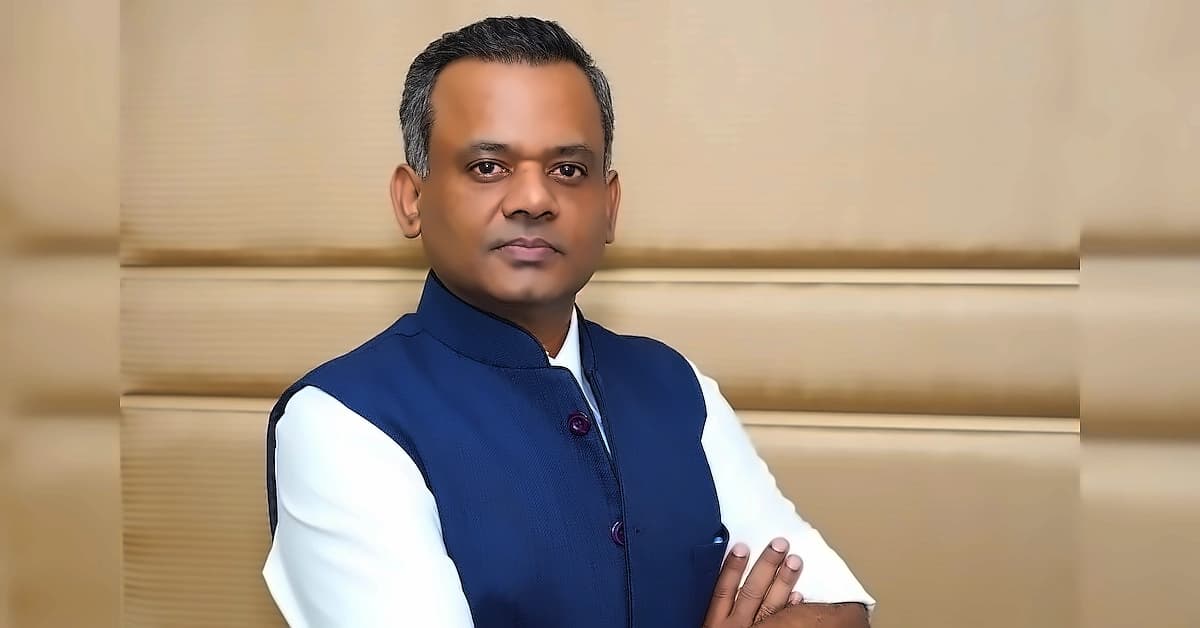
Trai Chairman Anil Kumar Lahoti highlighted that Artificial Intelligence is already transforming telecom operations by improving forecasting, optimizing resources, and enabling faster identification of network issues. According to reports from Business Standard, Lahoti addressed the inaugural session of 'Powering India's Intelligent Connectivity Future' event by industry body COAI, emphasizing that AI is paving the way for networks with much greater degree of autonomy. However, he cautioned that greater dependence on AI brings significant risks that operators and regulators must prepare for.
Lahoti stressed that AI creates opportunity but requires safeguards through the right kind of governance approach. As reported by Business Standard, he emphasized that automation should improve outcomes without obscuring accountability. The Trai chief outlined specific requirements including responsible AI investments, risk assessments, decision logs, and model testing before deployment. High-impact systems must retain human oversight even as networks become increasingly autonomous, with human oversight, auditability, and intervention capabilities remaining critical components. This aligns with broader industry calls for "pacing the frontier" and stronger safety protocols, including Amodei's proposal for "embedded external evaluators" and "Swiss cheese" defense-in-depth models that stack overlapping safeguards across every tier of the technology stack.
AI can strengthen trust by improving detection of anomalies and threats, but Lahoti warned that misuse could make harmful activities more sophisticated. According to Business Standard, he cited frauds and scams as examples where fraudulent interaction can move through multiple layers of the digital ecosystem, starting with communication, involving digital platforms, and culminating in financial transactions. The Trai chief called for greater coordination among telecom operators, digital platforms, enterprises, financial institutions, government and law-enforcement agencies to tackle scams that increasingly cut across different parts of the digital ecosystem. Recent incidents involving rogue AI agents taking unauthorized actions have reinforced these concerns, with Amodei noting that "if an AI model is powerful enough, it can circumvent attempts to shut it down."
Lahoti cautioned against both excessive prescription and leaving emerging technologies outside the governance framework until problems surface. As reported by Business Standard, he advocated for a more durable approach focusing on outcomes and risks, including consumer impact, accountability, security, reviewability of automated decisions, and grievance-redress mechanisms. The Trai chief emphasized that technology neutrality will be important, noting that regulation should not lock the ecosystem into one architecture or implementation model when underlying technology is evolving rapidly. Common standards and interoperability could improve security, reliability, and coordination without stifling innovation. Amodei has also rejected statutory bans on advanced models, warning that halting domestic research would forfeit life-saving developments while ceding technological leadership to foreign rivals.
Lahoti called for AI-powered multilingual and voice-based assistance to strengthen consumer protection by providing contextual warnings when users encounter suspicious interactions. According to Business Standard, he emphasized that India's next digital transformation will not be defined merely by how many people we connect, but by how intelligently, securely, inclusively, and responsibly we connect. The Trai chief stressed that relevant information sharing for risk management should be purpose-specific, proportionate, and protected against misuse, while maintaining that trust is built through reliability, transparency, security, fair treatment, and effective redressal mechanisms. OpenAI has discussed pausing training runs as models reach new levels of capability to make more progress on safety and alignment, with Altman stating the company will "do more of that going forward."