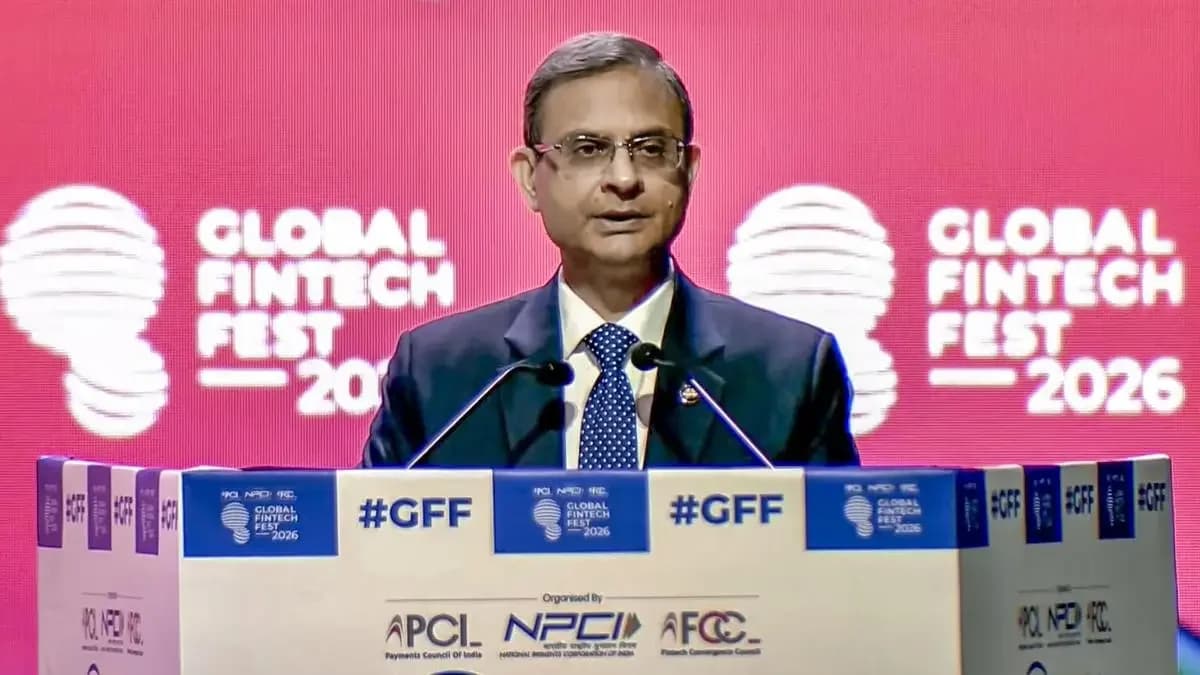
Reserve Bank of India (RBI) Governor Sanjay Malhotra announced the recognition of Unified Fintech Forum (UFF) as the second self-regulatory organisation (SRO) for the fintech sector at the Global Fintech Fest 2026 in Mumbai. As reported by The Hindu BusinessLine, this recognition comes nearly two years after the central bank gave the first such recognition to Fintech Association for Consumer Empowerment (FACE) on August 28, 2024. UFF, formerly known as Digital Lenders Association of India (DLAI), had been pursuing this recognition since the RBI's SRO framework was introduced. The association, established in October 2016, had been working towards industry self-regulation well before the formal SRO framework was finalised and also changed its name in a bid to achieve SRO status. Malhotra stated that "For a regulated development of the fintech industry, we have implemented self-regulatory organisation framework for this sector. It shall be conducive to promoting responsible conduct, developing industry-wide standards for everyone to follow, and facilitating constructive engagement with us, other regulators, policymakers and stakeholders."
The Unified Fintech Forum (UFF) now serves as the second SRO-FT in the fintech sector, with 118 members including NBFCs, lending service providers, technology service providers, credit bureaus and account aggregators, as reported by The Hindu BusinessLine. The forum also has nine associate partners, bringing together diverse stakeholders across the fintech ecosystem. According to the forum's website, UFF operates as a non-profit advocacy organisation dedicated to fostering collaboration, innovation, and responsible growth within the fintech sector. The SRO Framework has been specifically designed by RBI for establishing and enforcing regulatory standards, promoting ethical conduct, ensuring market integrity, resolving disputes, and fostering transparency and accountability among its members. This comprehensive approach positions UFF as a central platform for industry collaboration and regulatory compliance in the fintech space.
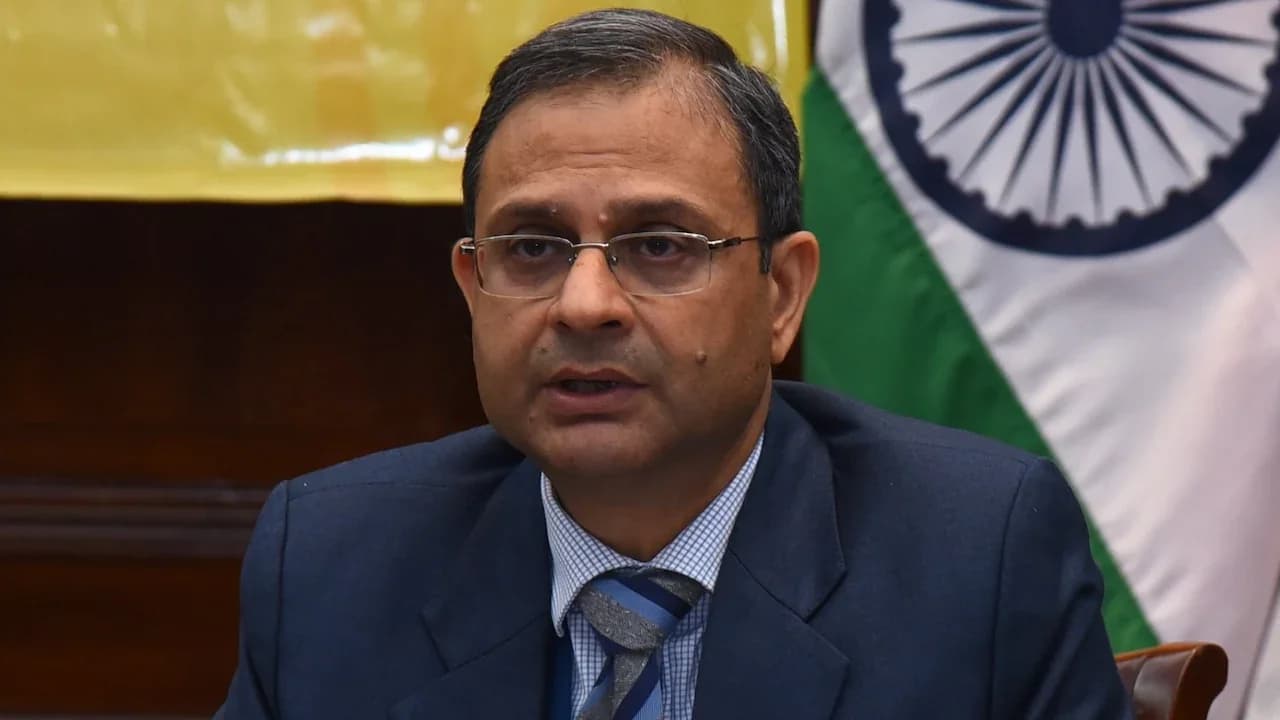
Malhotra emphasized that fintech's biggest promise lies not merely in what technology can achieve, but in how widely its benefits can be felt across society. Speaking at the Global Fintech Fest 2026, he said the financial system had travelled a considerable distance over the past decade, with several developments that were once viewed largely as possibilities and aspirations now becoming part of everyday financial life for thousands of millions of Indians. The RBI Governor outlined four broad themes for his address -- the potential of fintech as an essential partner in delivering desired impact, the importance of trust in realizing that potential, the scope for stronger global vision, and the role of the Reserve Bank of India in supporting the fintech sector. He stressed that fintech's potential could translate into meaningful impact only when innovation reached people who were not already well served by the financial system, while such innovation needed to remain firmly anchored in trust. Malhotra noted that the transformation demonstrated how technological potential could become tangible impact when innovation was supported by inclusion and trust, with this transformation reflecting a public-private partnership that enabled entrepreneurship and innovation while preserving public confidence and trust.
Malhotra cautioned fintech companies against building businesses around gaps between regulatory categories and seeking regulatory clarity only after scaling up. As reported by The Economic Times, he said fintechs should not adopt a mindset of "structuring business around gaps between regulatory category, scaling first and seeking clarity later". The RBI Governor emphasised that fintech firms should approach regulation and governance as integral parts of their business models from the outset. He stressed that as fintech companies grow, their responsibilities also increase, with operational resilience, business continuity and cybersecurity not treated merely as costs to be minimised. "Financial institution must take systemic responsibility which scales with size," Malhotra stated, noting that many fintech companies currently operate outside formal regulatory frameworks but their responsibility rises as payment volumes, loan books and user bases expand. The RBI's sandbox and pilot mechanisms allow innovators to engage early, test their assumptions under supervision and help develop rules that support genuine innovation, with a transparent approach providing fintech firms with a faster and more durable route to scale.
Malhotra placed strong emphasis on responsible handling of financial and other data, stating that financial information should be treated like assets held in trust and used only within the consent provided by customers. According to The Economic Times, he noted that technological speed alone would not determine the success of digital finance, with trust remaining central to the adoption of financial services. The RBI Governor stressed that "A financial system which moves at the speed of light but doesn't command trust won't see much takers" - trust takes years to build but can be broken quickly. He said the industry must also mitigate risks related to opacity, exclusion and cybersecurity. The Account Aggregator framework was built around this principle, urging fintech companies to view data as a fiduciary responsibility rather than merely an asset. As reported by Rediff Moneynews, Malhotra said fintech companies therefore need to make building and preserving trust a core part of their business models, particularly as they expand their role in credit, payments and financial inclusion. He also urged fintech companies to treat data as a fiduciary responsibility rather than merely a business asset, with consumer financial and non-financial data collected for clearly defined purposes, used only with consent and protected appropriately.
Speaking at the Global Fintech Fest 2026, Malhotra highlighted the RBI's work on digital public infrastructure for next-generation financial services, including the Unified Lending Interface (ULI). As reported by Rediff Moneynews, the RBI, along with markets regulator Securities and Exchange Board of India (SEBI), announced the launch of tokenisation of corporate bonds later on Thursday. This development represents a significant step in expanding digital financial infrastructure capabilities. The scale of digital payments has expanded at a remarkable pace, with 280 billion annual transactions last year, while UPI recorded about 24 billion transactions a month, equivalent to around 80 crore transactions a day. According to NDTV Profit, he said the transformation has made digital finance part of everyday life, with the combination of public infrastructure and private-sector innovation driving massive financial inclusion. The transformation demonstrates how digital finance has moved from being an innovation to becoming an everyday utility for ordinary people, with simple transactions like street vendors accepting payments through QR codes becoming unremarkable sights.
Malhotra emphasized that India has opportunity to become a trusted partner in shaping the future architecture of global finance. In his keynote address at the Global Fintech Fest 2026, the RBI Governor said India's fintech ecosystem ranks third globally and the country is home to 30 domestic unicorns, reflecting the rapid expansion of its technology-led financial services sector. India currently has 57 crore Pradhan Mantri Jan Dhan Yojana accounts, while 25 crore micro-insurance policies have been issued and 9 crore people are covered under the Atal Pension Yojana. According to Rediff Moneynews, Malhotra called for the country to move beyond domestic adoption by exporting financial products, digital infrastructure and governance approaches to other markets. As reported by NDTV Profit, he said India needs to develop common digital infrastructure, governance frameworks and approaches that can be shared more widely, allowing solutions developed in India for financial inclusion and interoperability to potentially be adapted for wider global adoption. This strategic vision positions India's fintech ecosystem to move from being primarily a domestic success story to becoming an exporter of digital financial infrastructure and solutions. The next phase would require the sector to build on its existing capabilities while ensuring that innovation remained inclusive, trusted and capable of creating impact at a global scale.