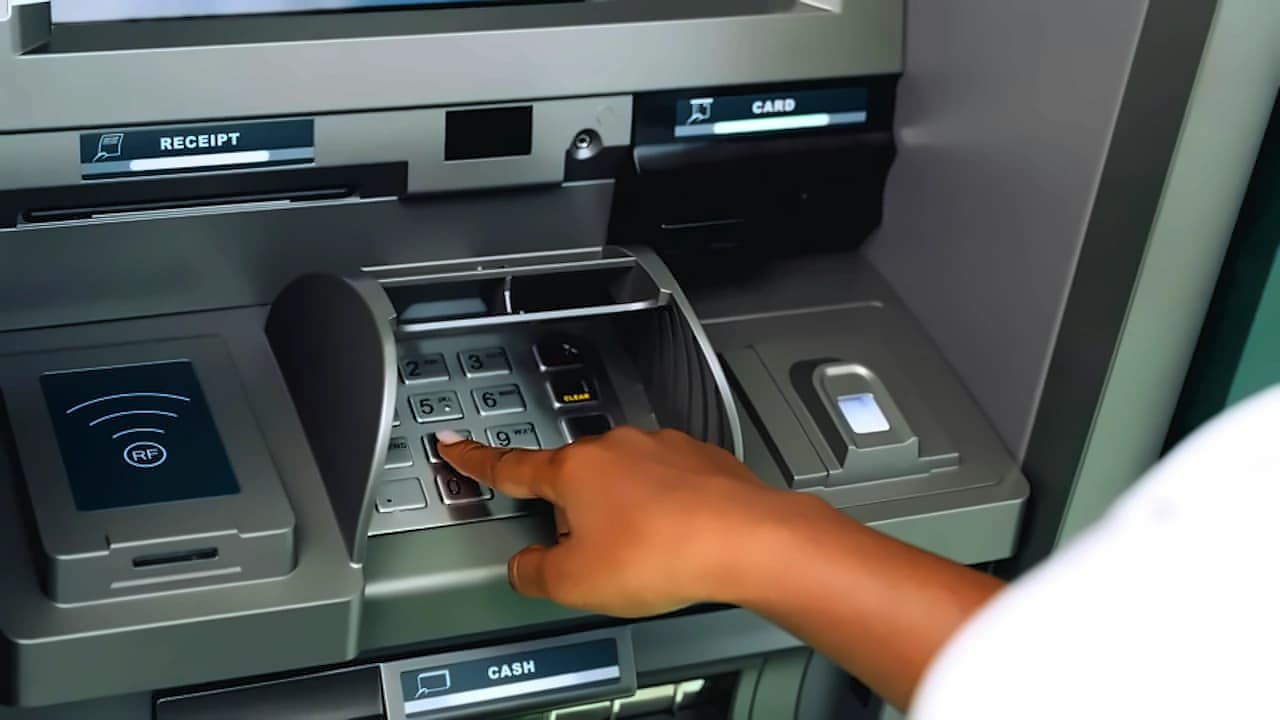
The Reserve Bank of India (RBI) has issued the Reserve Bank of India (White Label ATM Operators) Directions, 2026, which take immediate effect and consolidate existing rules for non-bank entities operating automated teller machines in India. According to reports from The Hindu BusinessLine, these directions were issued on November 27, 2026, with the objective of expanding the geographical coverage and outreach of ATM services, particularly to underserved regions. Under the framework, non-bank entities incorporated in India under the Companies Act can now set up, own and operate ATMs in India. Non-bank entities that intend to set up, own and operate ATMs would be christened 'White Label ATM Operators' (WLAO) and such ATMs would be called 'White Label ATMs' (WLAs).
The RBI has mandated that white-label ATM operators can now purchase cash directly from its issue offices in wholesale lots, allowing them to source cash from banks other than their sponsor banks. As per the latest circular, operators can purchase cash in quantities exceeding one lakh pieces of any denomination, against full payment. They can also source cash from scheduled commercial banks, cooperative banks, and regional rural banks, which could ease cash replenishment for these operators. Operators can partner with multiple sponsor banks and tie up with any scheduled bank for cash supply, providing greater operational flexibility. The central bank reviews adherence at least once every six months and bars operators from taking over existing bank ATMs.
The new Master Directions on White Label ATM Operators introduce significant flexibility by allowing operators to source cash from multiple banking partners beyond their sponsor banks. This arrangement includes scheduled commercial banks, cooperative banks, and regional rural banks, offering greater flexibility in managing cash availability. The move is expected to give operators greater flexibility in replenishing ATMs, reducing their dependence on a single banking partner for cash supplies. This multi-bank approach provides operators with more reliable cash management options and reduces operational risks associated with single-source dependencies.
Deployment rules require operators to prioritise underserved areas by maintaining a regional ratio of at least 1:2:3 across metro or urban, semi-urban, and rural centres. According to the RBI directions, while the WLA operator is entitled to receive a fee from the banks for the use of ATM resources by the banks' customers, WLAs are not permitted to charge bank customers directly for the use of WLAs. Operators can offer interoperable card-less cash withdrawals (ICCW) using the Unified Payments Interface (UPI) for customer authorisation, with settlement through the National Financial Switch or ATM networks. Withdrawal limits for ICCW transactions will be aligned with regular ATM withdrawals, and operators will not be permitted to levy charges beyond the prescribed interchange fee and customer charges. Additionally, operators can offer card-less cash withdrawals, bill payments, and interoperable cash deposits after certification from the National Payments Corporation of India.