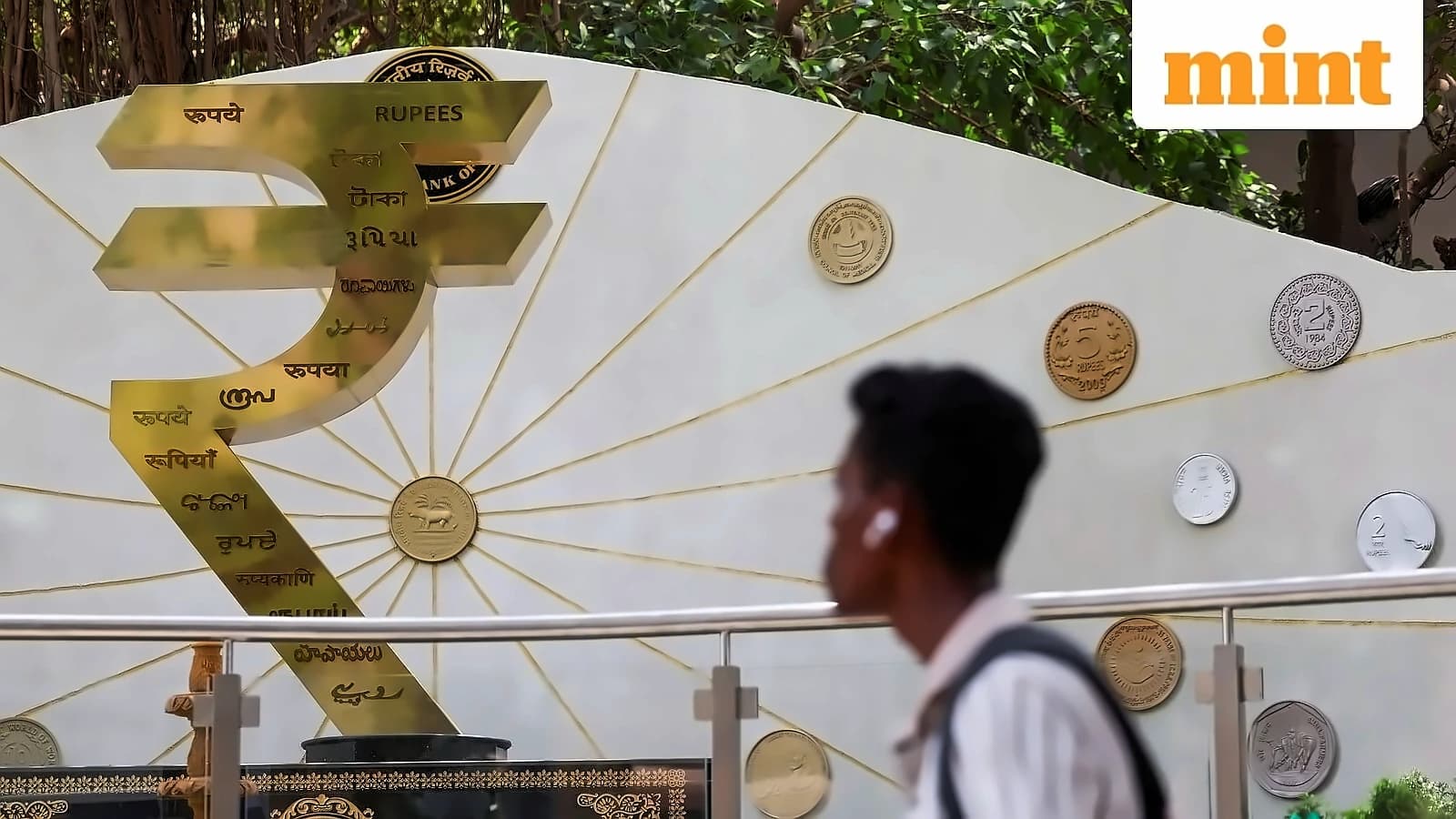
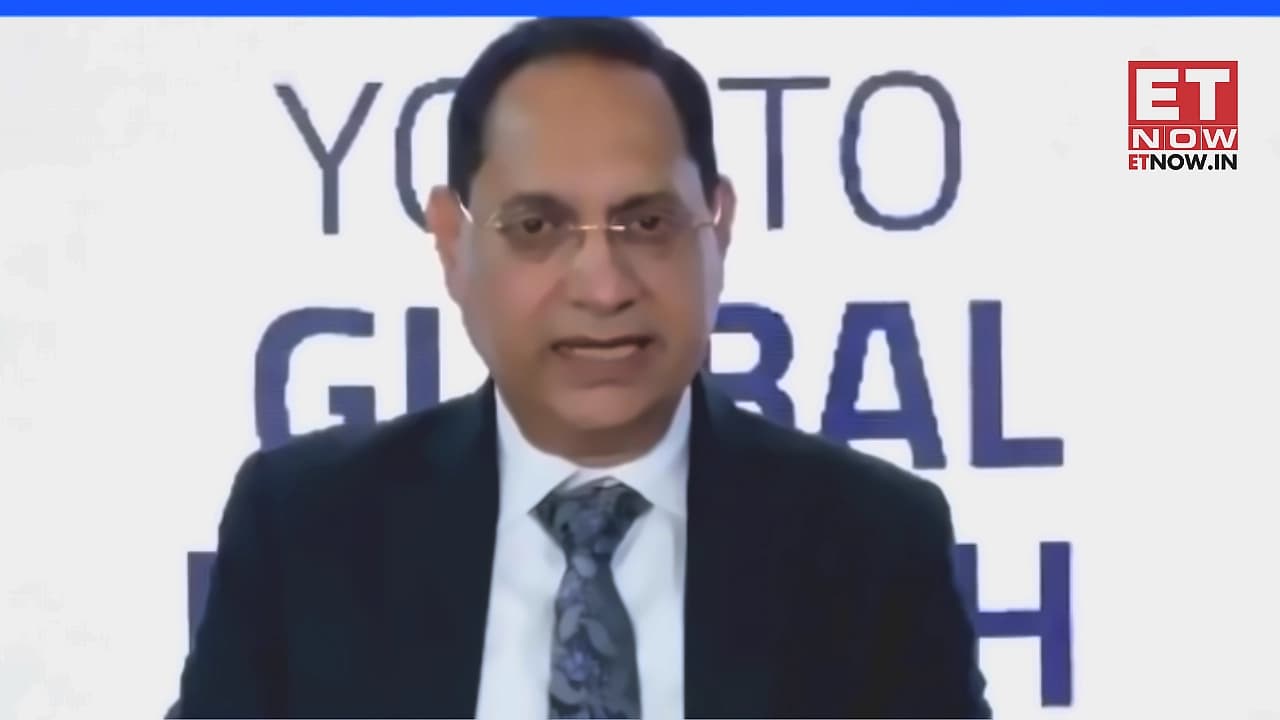
The Reserve Bank of India is exploring gold as the next asset class for tokenisation as part of its strategy to expand the Unified Markets Interface beyond existing financial instruments. According to reports from The Economic Times, P. Vasudevan, Executive Director, Reserve Bank of India, confirmed at the Global Fintech Fest 2026 that discussions are underway regarding gold tokenisation as a potential avatar for the platform. Vasudevan explained that "there were some discussions yesterday. We were looking at gold tokenisation as one more avatar that is being explored. There are challenges in the existing modes, but that can be fulfilled by tokenisation." The central bank is looking to add more asset classes to the interface, which currently settles tokenised financial instruments using wholesale central bank digital currency. As reported by The Economic Times, tokenising financial assets refers to breaking down assets into smaller pieces, making them more accessible for retail investors by reducing ownership costs, with bonds worth ₹10 lakh apiece potentially broken down into smaller units like ₹100.
The Unified Markets Interface has demonstrated significant progress in its tokenisation capabilities, having processed 248 certificate-of-deposit transactions worth ₹17,000 crore so far, according to Vasudevan's latest comments at Global Fintech Fest 2026. As reported by The Economic Times, approximately two-thirds of these transactions were conducted in the secondary market, indicating growing adoption beyond primary issuance. The central bank has already tokenised financial instruments such as government bonds, commercial papers, and certificates of deposits. Vasudevan described the platform as a good launch pad but emphasised the need to add more asset classes to make the ecosystem much bigger, noting that "small initiatives can sometimes lead to bigger things." The RBI had introduced the UMI in October last year to digitise and tokenise the country's financial asset ecosystem, with the goal of making owning financial assets as easy as UPI made payments for the retail audience.
Vasudevan highlighted the potential of combining tokenised financial assets with central bank digital currency (CBDC) on the same platform, allowing both the asset and payment sides of a transaction to move together. As reported by The Economic Times, he explained that "CBDC is the money aspect that can actually move along with the asset aspect on the single platform. That's the power of this platform." The RBI Executive Director noted that tokenisation could be used across different stages of a financial transaction, including issuance, trading and settlement, stating that "the tokenization can handle anything from issuance, to trading, to settlement, everyone's resources, to services, anything and everything can be perfectly handled in a tokenized world." The central bank's experience with testing tokenisation of certificates of deposit has provided a base for expanding the use of tokenisation across all asset classes.
While tokenisation represents significant opportunities, RBI officials have identified key challenges that require careful consideration. Rohit Jain, Deputy Governor at the RBI, pointed to potential risks including legal clarity, legal certainty, data privacy, data movement, and consent management as areas requiring mindfulness. According to The Economic Times, Vasudevan cautioned that "initial thoughts are there. Collections of detailed clarity, data certainty, data privacy, data movement, concept management. Those are the challenges. So, we need to be mindful of them." He also emphasized the importance of interoperability, noting that "if there are two or three platforms doing similar things, how do we actually make them interoperable? So, one of the success stories of our data ecosystem has been interoperable. So, we don't want to lose on that." Vasudevan added that faster movement of assets and money could create new risks, particularly if the same assets could be leveraged several times within a short period, stating "Let's look at this from a fintech perspective but also from a stability perspective. Let's not try to think that this is the be all and end all."
RBI is considering how tokenisation could transform the existing financial intermediary ecosystem, which includes depositories, custodians, central counterparty, clearing corporations and exchanges. As reported by The Economic Times, Vasudevan questioned whether tokenisation should undermine their capabilities or make them more efficient. He suggested these intermediaries could instead become "token service providers" offering "tokenization-as-a-service." The central bank is carefully examining how to balance the need for innovation with maintaining the efficiency and capabilities of existing market infrastructure. Distributed technologies are reshaping elements of market infrastructure, with tokenisation creating new possibilities for how financial assets are represented and settled, as noted by Rohit Jain, Deputy Governor at the RBI.