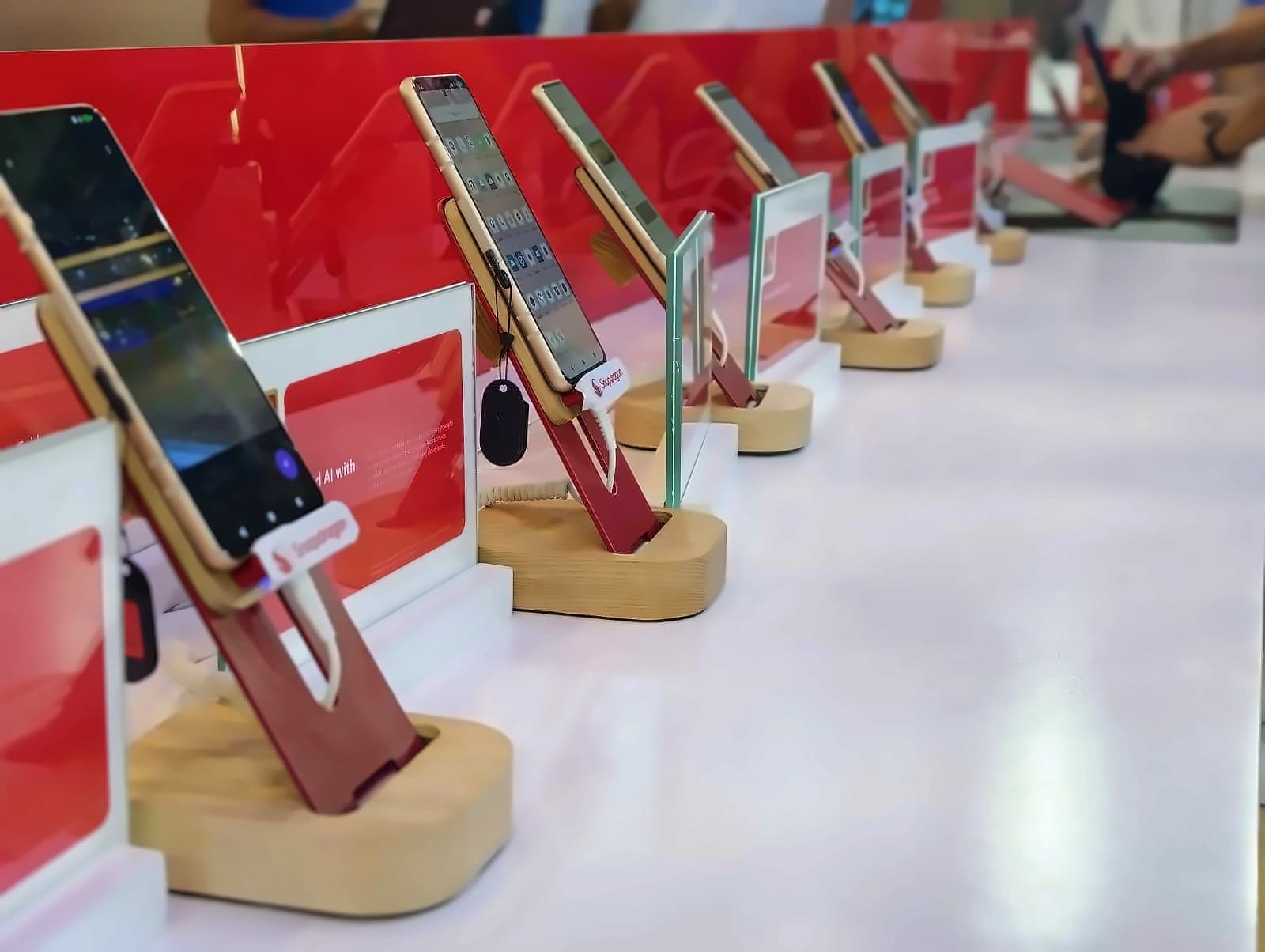
Qualcomm Technologies has introduced a new affordable integrated payments device that combines a point-of-sale (POS) terminal, a dynamic QR code, and a soundbox. According to reports from Mint, the US chipmaker wants to squeeze three pieces of India's payments hardware into one and sell it at a price affordable to the country's smallest merchants. Manmeet Singh, India business head of automotive, internet of things, connectivity and broadband at Qualcomm India, stated that the company found space to bring a new device and is working with partners on this initiative. The launch took place on September 9 with Brandworks, targeting small merchants who typically cannot afford expensive payment technology.
India's digital payments ecosystem has evolved significantly, with the India POS Terminals market size expected to grow from 37.08 billion units in 2025 to 41.27 billion units in 2026 and forecast to reach 70.39 billion units by 2031 at an 11.30% compound annual growth rate over 2026-2031, according to a report by Mordor Intelligence. Annual transaction volume expanded dramatically from just 20 million transactions in FY17 to over 241.62 billion transactions in FY26, representing an almost 12,000-fold surge in transaction volume, while transaction value surged nearly 4,500-fold from ₹0.07 trillion in FY17 to approximately ₹314 trillion in FY26.
The new device can accept card payments, generate dynamic QR codes and announce incoming payments through an integrated soundbox, built on a low-memory real-time operating system (RTOS) rather than Android to keep hardware requirements and costs down. As reported by Mint, the target price is central to the pitch, with Singh stating the device should be closer to a soundbox price of ₹1,500-2,000 rather than POS machines starting at ₹8,000-10,000. This pricing strategy could open up card-payment functionality to smaller merchants who have preferred QR payments due to lower costs. The device also includes additional features such as GPS tracking and built-in AI voice support, making it flexible for different business needs.
Qualcomm is not planning to manufacture or assemble the devices itself but is building an ecosystem of Indian module makers, original design manufacturers and original equipment manufacturers around its technology. According to Singh's statements to Mint, from design to manufacturing, everything is in India, with the company supplying the core chipset, software, security and positioning technology while Indian partners build the modules and final devices. This approach is important as the payments hardware market has traditionally relied heavily on imported components, with Qualcomm working with multiple Indian partners across different layers of the supply chain.
The launch is part of Qualcomm's broader push to diversify beyond smartphones, with the company looking to expand its IoT business across sectors including payments, automotive, and connected devices. Singh told Mint that IoT is one of the big portions of the revenue which they are targeting, with expansion planned across these sectors. The device also includes additional features such as Global Positioning System tracking and on-device AI including automatic speech recognition, aimed at making it a replacement for several categories of payment hardware beyond just POS terminals. This move supports India's homegrown manufacturing scene and aligns with Qualcomm's push for IoT solutions.