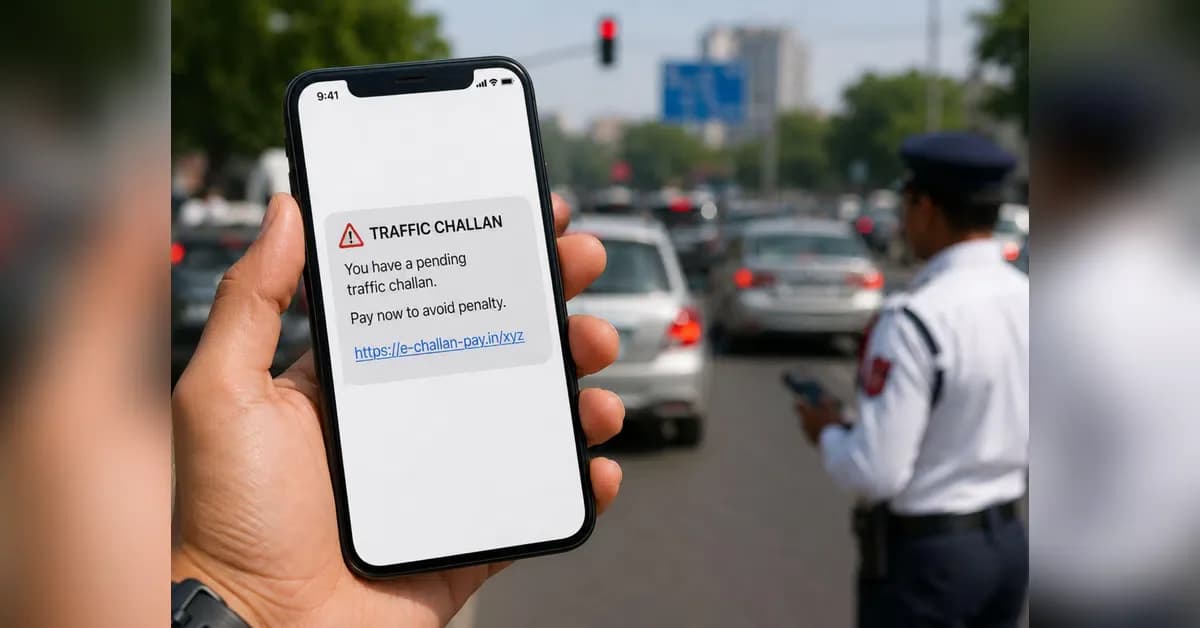
The Press Information Bureau (PIB) has issued a warning against fraudulent traffic challan messages circulating through SMS and WhatsApp platforms. According to reports from Business Standard, the bureau's Fact Check unit issued the warning after noticing a rise in fraudulent messages that closely resemble genuine e-challan notifications. While the messages appear authentic, they are designed to create panic and pressure recipients into acting without verifying the information first. The warning comes amid a rise in phishing attempts where scammers impersonate government departments, banks and other trusted organisations to steal sensitive information or money.
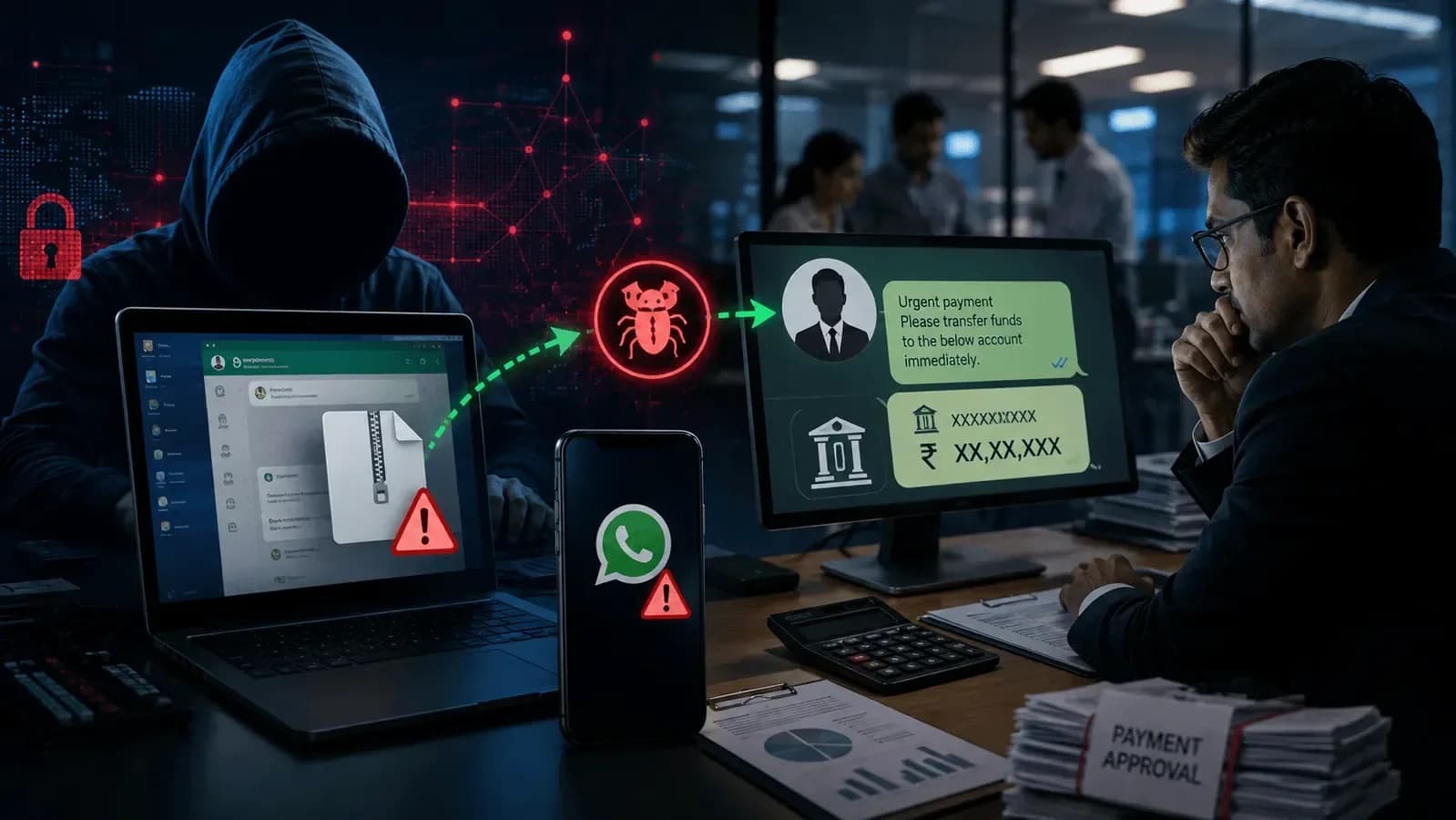
As reported by Business Standard, fraudsters are circulating messages that claim a traffic fine is pending and urge recipients to make an immediate payment. These messages typically claim that a traffic fine is pending and ask recipients to click on a link to clear the dues. In some cases, they may also include APK files or PDF attachments that appear legitimate but are actually malicious. Once a user clicks the link or downloads the file, cybercriminals may gain access to the device, exposing sensitive personal information, banking details, and other confidential data, potentially resulting in financial losses. Because these messages are designed to look authentic, many users may find it difficult to distinguish between genuine notifications and fraudulent ones.
According to the PIB guidance reported by Business Standard, citizens are advised to take specific precautions before responding to any message claiming a traffic challan is pending. Never click on links received from unknown or unverified sources. Verify whether a challan is actually pending only through the official e-Challan portal: eChallan Parivahan portal. The government has urged people to follow simple precautions including downloading mobile applications only from official app stores and avoiding installing APK files shared through messaging platforms. Officials have stressed that verifying the challan independently is the safest way to avoid falling victim to such scams.
As reported by Business Standard, if users suspect they have interacted with a fraudulent message or shared sensitive information, they should report the incident immediately through multiple channels. Victims can file a complaint at the nearest police station or cyber police station, or report the matter through the government's National Cyber Crime Reporting Portal. People can also seek assistance by calling the national cybercrime helpline 1930. The warning underscores how cybercriminals are increasingly exploiting trusted government services to target unsuspecting users, with authorities advising people to remain cautious when receiving messages that demand urgent action or payment, particularly those containing unfamiliar links or attachments.