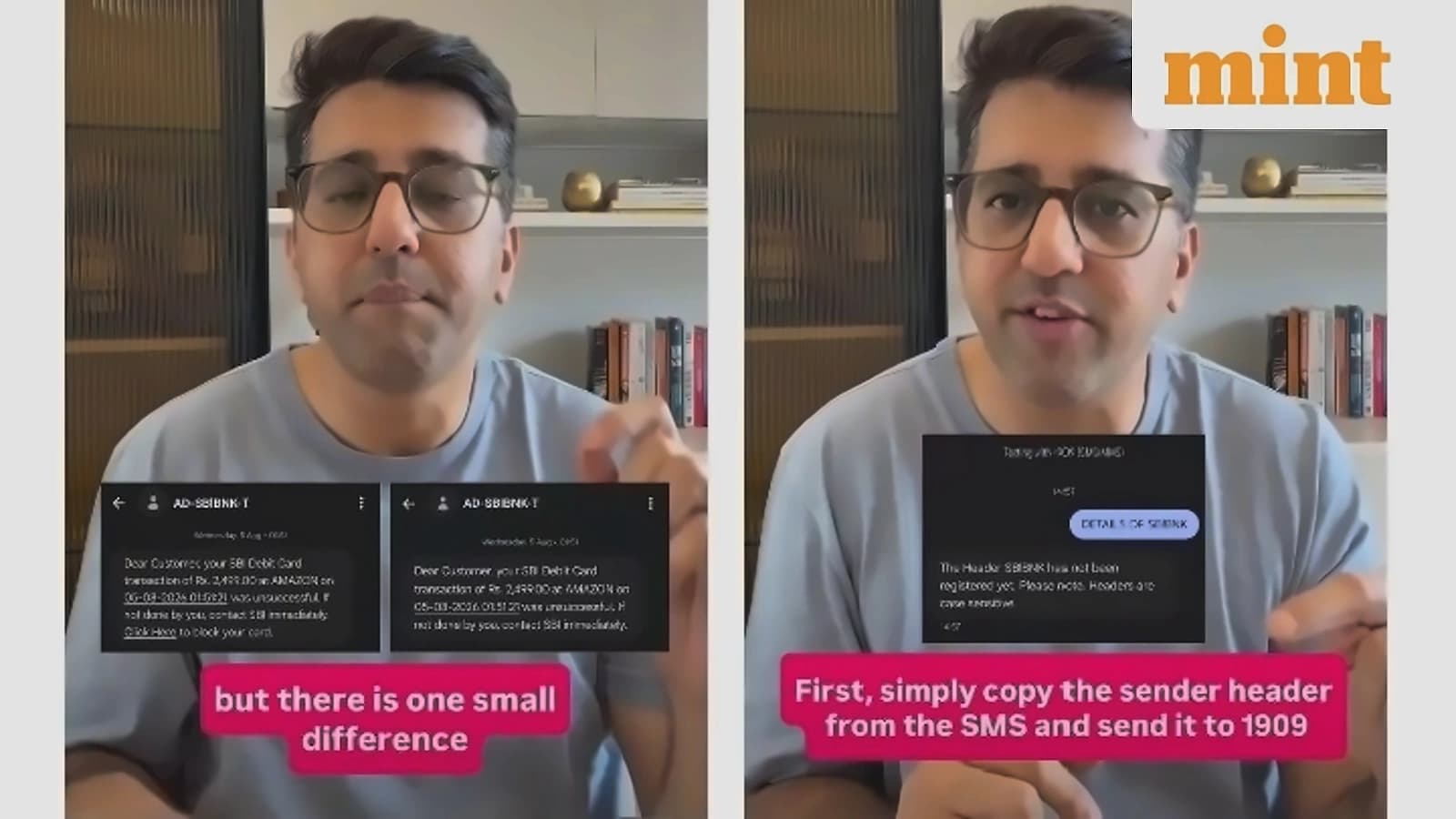
According to reports from Binance, the cryptocurrency exchange warned users on September 3 about an increase in phishing attacks involving text messages disguised as account security alerts. The fraudulent messages are designed to resemble official Binance notifications, commonly warning about unexpected logins, changed account settings, or other supposed security issues requiring immediate action. The messages include shortened links that direct recipients to websites created to imitate Binance's login or account verification pages, where scammers attempt to collect passwords, authentication codes, or other account information. As per Binance, these texts are perfectly disguised to appear as legitimate notifications from Binance, alerting users about false issues on their accounts. The messages often claim that a user's account settings have been changed or that suspicious activity has been detected, urging potential victims to click on certain links to get their accounts fixed. CoinTurk News reports that these schemes have surged significantly, with attackers using sophisticated tactics to pressure users into acting quickly without proper verification.
As reported by Binance, the exchange emphasized that it never asks customers to click links in text messages to verify or secure accounts. Users who receive unexpected messages should instead open the official Binance application or enter the exchange's address directly. The exchange also introduced Binance Verify, a tool that allows customers to check whether a website address, email address, phone number, social media account, or other contact belongs to the exchange before entering account information or contacting anyone presented as customer support. CoinTurk News confirms that the exchange urges all users to cross-examine URLs before interacting with any links, especially when messages involve supposed security concerns. The exchange explained that these tactics are meant to trigger panic, resulting in users acting hastily before confirming the authenticity of the message or link.
According to Binance, the exchange advised users to enable its withdrawal address whitelist, which limits withdrawals to wallet addresses approved by the account holder. The exchange also recommended activating its anti-phishing code, where legitimate Binance emails include a personalized code selected by the user. Any email without the correct code may be fraudulent, though customers should still verify the sender and destination links independently. CoinTurk News reports that the exchange also encouraged users to activate the Withdrawal Address Whitelist feature, which restricts withdrawals to pre-approved wallet addresses, minimizing the risk of funds being redirected to unauthorized destinations. Binance uses automated systems to detect suspicious behavior during logins, trading, and withdrawals, with more than 100 artificial intelligence models supporting its fraud controls.
As reported by Binance, the warning follows earlier campaigns using the exchange's name, including a 2025 incident where the Australian Federal Police said scammers sent spoofed messages that appeared within existing Binance message threads, falsely claiming that customer accounts had been compromised. In 2023, Hong Kong police reported that 11 users lost approximately $446,000 in a campaign after receiving messages threatening to deactivate accounts unless verification was completed. Hong Kong's Securities and Futures Commission has since ordered licensed crypto platforms to replace authentication based on SMS, email, or app-generated one-time codes with phishing-resistant methods within 12 months.