The Delhi High Court has issued a ruling for the liquidation of Paytm Payments Bank Ltd, following the Reserve Bank of India's decision to annul its banking license due to major concerns regarding management practices and regulatory compliance. According to The Economic Times, an official liquidator has been appointed to oversee the bank's dissolution, with Girikumar M Nair, a former Chief General Manager of State Bank of India, named as the official liquidator to lead the liquidation process. The court action represents a significant development in the regulatory challenges facing the digital payments company, with orders dated July 8 and July 22, 2026 formally directing the wind-up under the Banking Regulation Act, 1949.
The Reserve Bank of India's cancellation of Paytm Payments Bank's banking license was cited due to failure to meet compliance regulations and negative impacts on depositors. As reported by The Economic Times, the RBI's decision reflects concerns about the bank's management practices and adherence to regulatory standards. The regulatory saga began with KYC violations reaching extraordinary scale by March 2022, where a single PAN card was linked to more than 100 customers in thousands of documented cases, and in some instances, a single PAN tied to over 1,000 customer accounts. The October 2023 penalty of ₹5.39 crore imposed by the RBI was followed by Section 35A restrictions in January 2024 that barred the bank from accepting fresh deposits, credit transactions, or top-ups across all accounts, effective March 15, 2024.
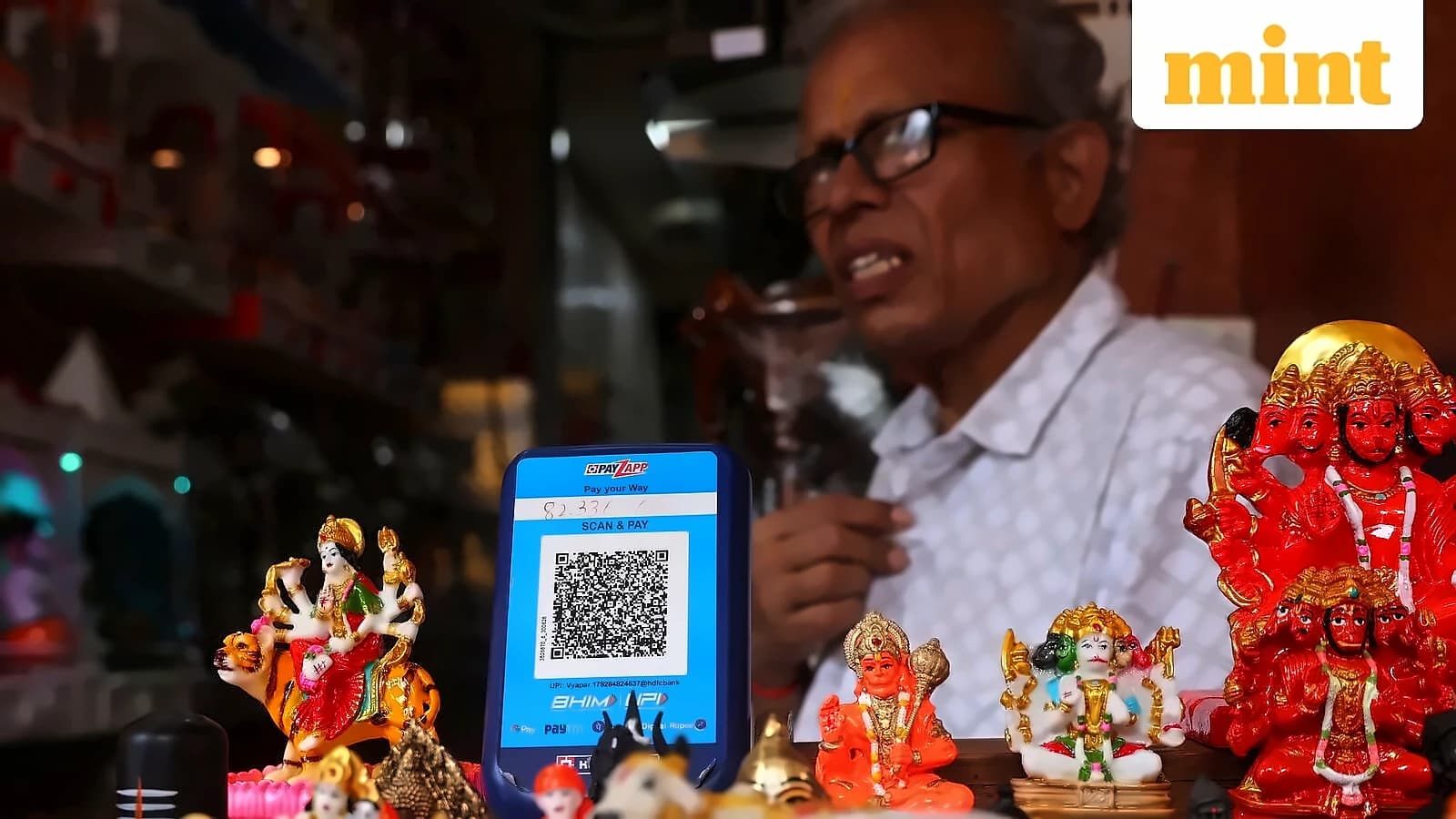
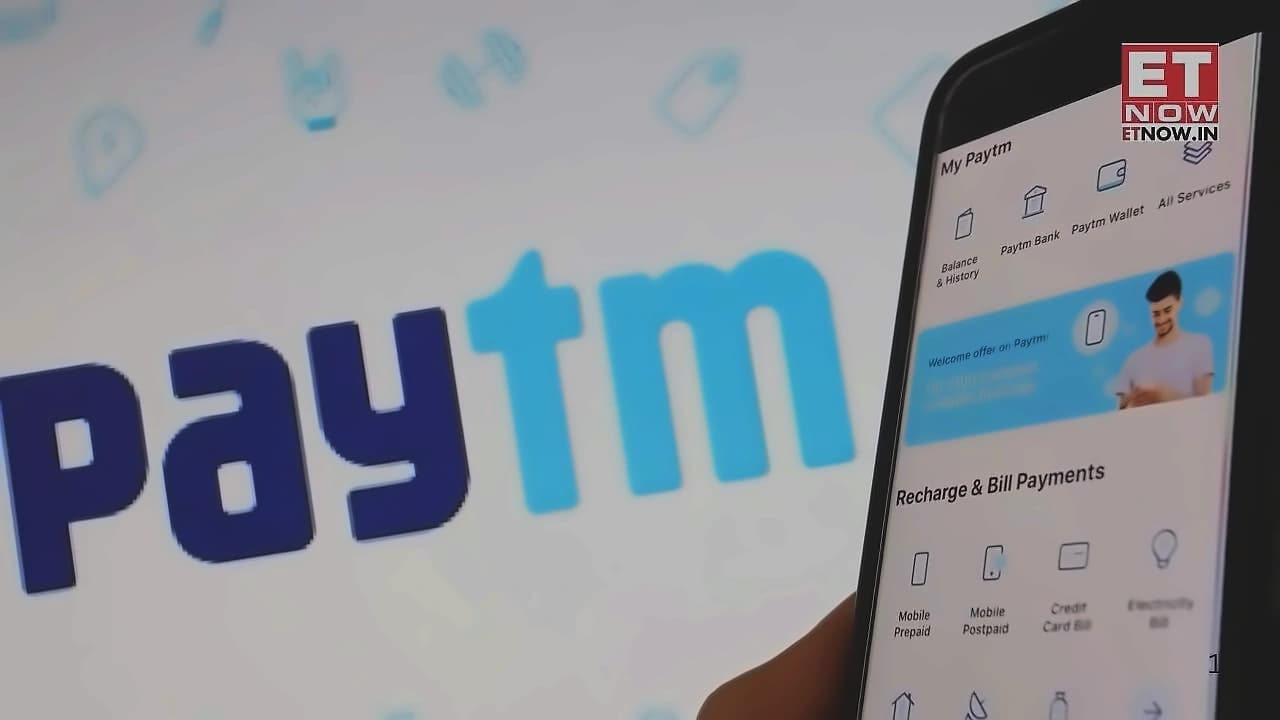
Despite the banking closure, the action does not impact other Paytm services, according to The Economic Times. This separation ensures that the company's digital payment and financial services can continue operating independently of the banking operations. One97 Communications, the parent company, confirmed in a stock exchange filing that PPBL had ceased to be an associate entity and had 'no exposure or material business link' with PPBL. The company had 'fully impaired' its investment in PPBL as of March 31, 2024, and had already rebuilt its payments infrastructure around third-party bank partnerships following the January 2024 deposit ban, migrating merchant settlements to Axis Bank and other partners. Core Paytm services including the Paytm UPI app, merchant QR codes, Soundbox payment devices, card machines, and Paytm Gold remain operational throughout the PPBL shutdown.
The RBI has explicitly confirmed that Paytm Payments Bank holds sufficient liquidity to repay all depositors in full, with the Official Liquidator, Girikumar M Nair, overseeing the distribution process under court supervision. India's Deposit Insurance and Credit Guarantee Corporation (DICGC) provides a guaranteed backstop of up to ₹5 lakh per depositor if needed, though the RBI's full-repayment assurance makes this backstop unlikely to be required. At its peak, PPBL held savings accounts for more than 31.5 million customers and wallets linked to 350 million registered users, with approximately 50 million wallets carrying an active balance at the time the deposit ban was imposed in early 2024. The timeline for repayment depends on the liquidation proceedings, which can take months, with depositors advised to contact the Official Liquidator's office when procedures are made public or check RBI's official press releases at rbi.org.in for updates.
The banking closure has had significant financial implications for One97 Communications, with revenue from operations falling approximately 36% year-over-year in the third quarter of FY2026. UPI market share, which was approximately 10% at the start of 2024, fell to roughly 5.5% by late 2024, with monthly transacting users dropping from 168 million to 68 million across 2024. The One97 share price, which opened its November 2021 IPO at ₹2,150, traded at approximately ₹1,307.9 on July 28, 2026 - still well below its IPO price but significantly recovered from the ₹477 nadir touched in early 2024 when the regulatory crackdown was at its most acute. The deposit ban triggered an immediate market reaction, with shares of One97 Communications falling roughly 40% in two days following the January 2024 restrictions.