UPI cashback is undergoing a fundamental transformation as emerging fintechs compete for users through rewards-based strategies. According to reports from Mint, these newer players are using rewards to convert frequent payment users into customers for stickier businesses including credit, commerce and financial products. This strategic shift is prompting even established players like Paytm to increase cashback spending to deepen user engagement and retention. The approach represents a departure from traditional payment-focused models, with companies like POP building rewards-and-commerce layers around POPcoins, while super.money leverages cashback, RuPay credit cards and secured credit products.
As reported by Mint, using National Payments Corp of India (NPCI) data, the performance of newer UPI players shows significant growth between January and May 2026. Navi's UPI volume increased from 709.26 million transactions worth ₹37,955.69 crore to 824.11 million worth ₹43,601.66 crore, while super.money demonstrated faster growth from 298.41 million transactions worth ₹12,546.39 crore to 418.84 million worth ₹19,422.73 crore. However, smaller players like POP and Kiwi experienced volume declines, with POP slipping from 8.50 million transactions to 6.97 million, and Kiwi's volume falling from 3.04 million to 2.46 million despite rising transaction values.
According to Mint reports, the UPI market continues to be dominated by established players, with Google Pay and PhonePe maintaining a combined 79% share in May, though this was lower than January's 83%. The top six apps include PhonePe, Google Pay, Paytm, Navi, super.money and BHIM. Over the past 18-24 months, newer UPI apps have climbed steadily up the NPCI rankings, with Navi moving from 12th position in May 2024 to fourth place by May 2026, while super.money, launched in August 2024, reached the fifth spot. The gains for smaller players have been built steadily over several years through aggressive cashback and rewards spending.
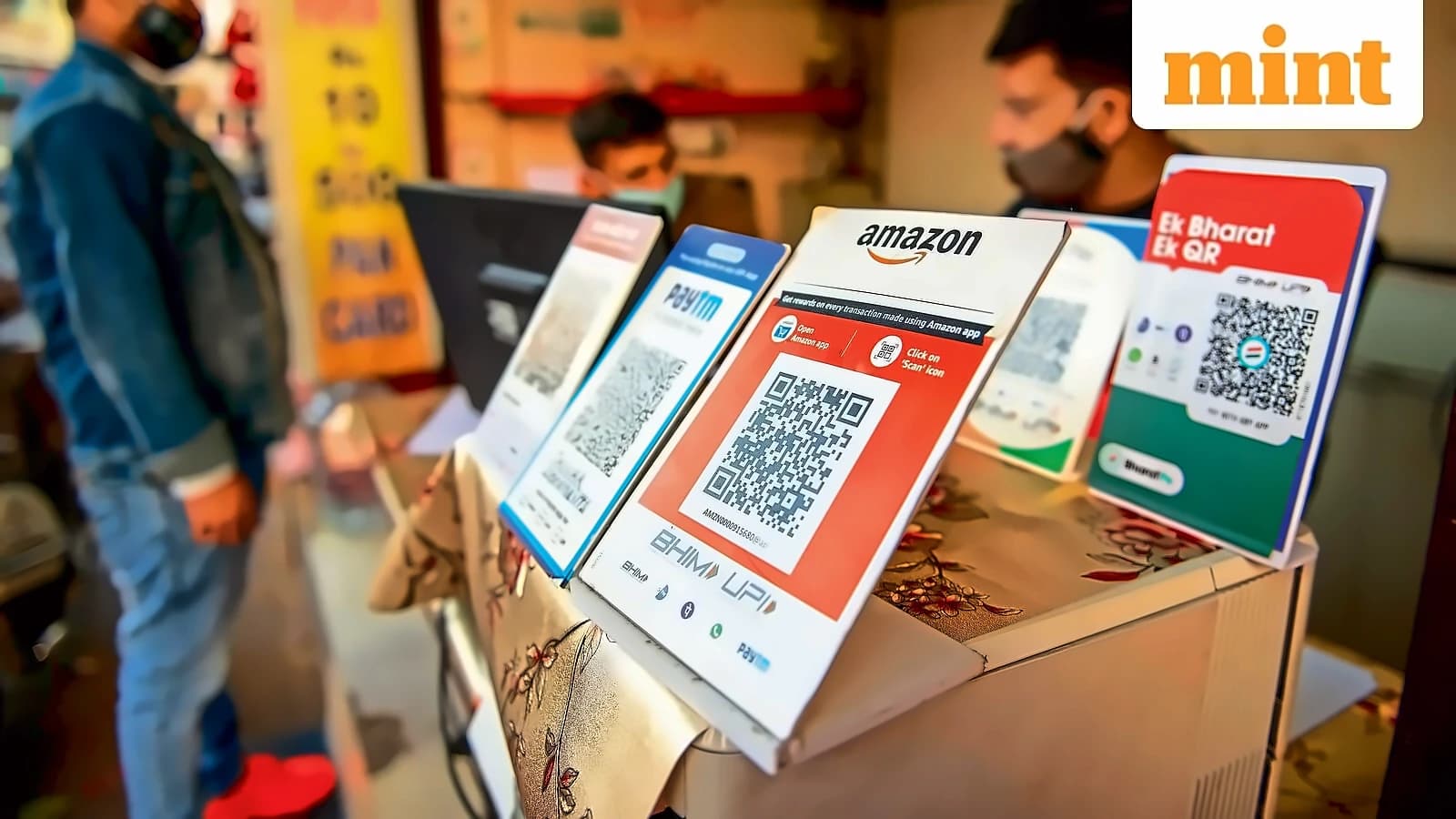
As reported by Mint, the newer UPI apps are implementing innovative business models to monetize high-frequency payment usage. POP is building a merchant-funded rewards-and-commerce layer, with Errangi explaining that on a ₹100 product, customers may pay ₹70 in cash and ₹30 in POPcoins, while merchants pay POP approximately 30% commission. super.money pushes its Axis Bank RuPay card, while Kiwi offers digital RuPay cards for rewards on UPI spends. The fragmentation into distinct user cohorts including metro shoppers, Gen Z users and blue-collar borrowers provides room for specialized products rather than generic payment tools.
According to Mint reports, while cashback alone as a monetization model faces fragility, the newer UPI ecosystem is showing signs of maturation. Paytm reported ₹104 crore of promotional cashback and incentives in January-March, up 154% quarter-on-quarter and 73% year-on-year, with group CFO Madhur Deora stating the company still allocates investment to build customer engagement. The current trend appears less like a repeat of the wallet era and more like a new distribution strategy, with users adding second or third apps for specific purposes rather than broad-based shifts from incumbent UPI apps.