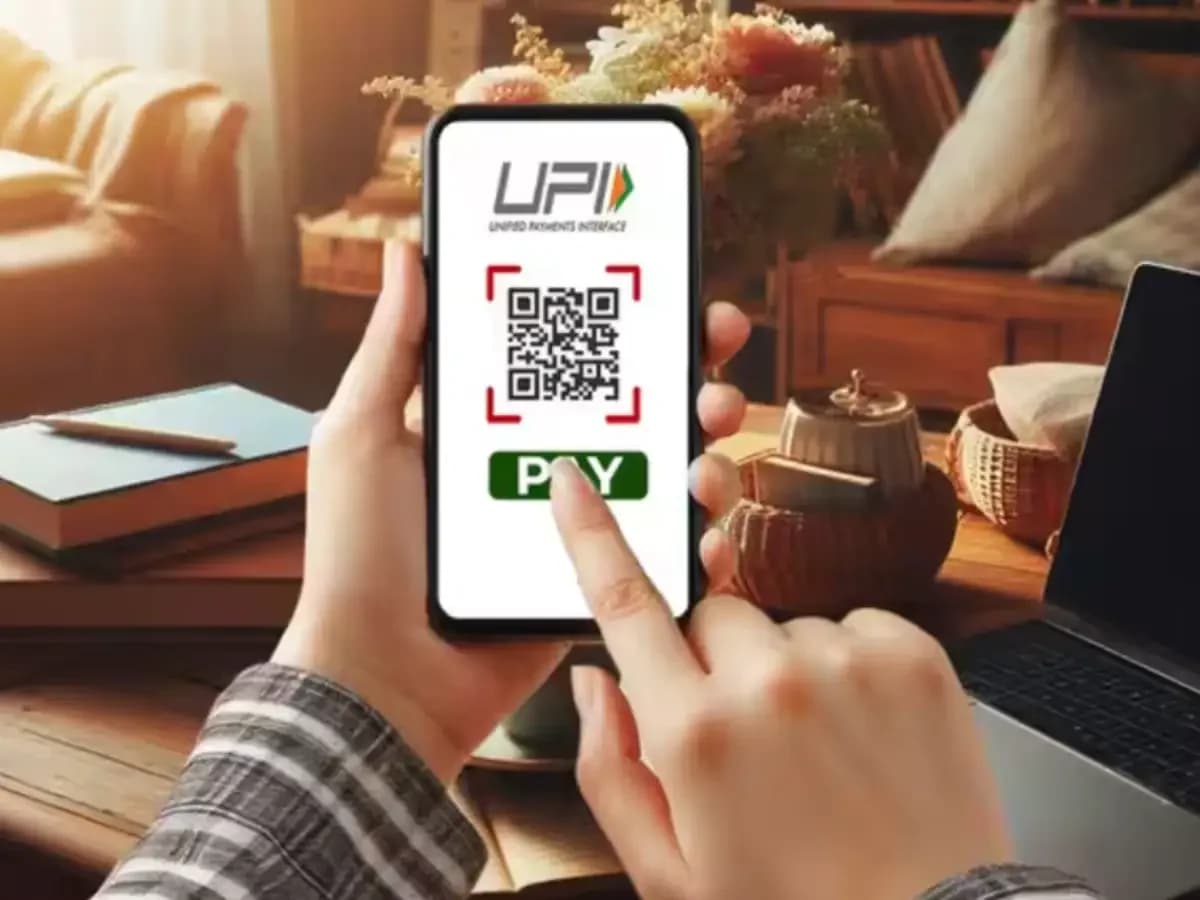
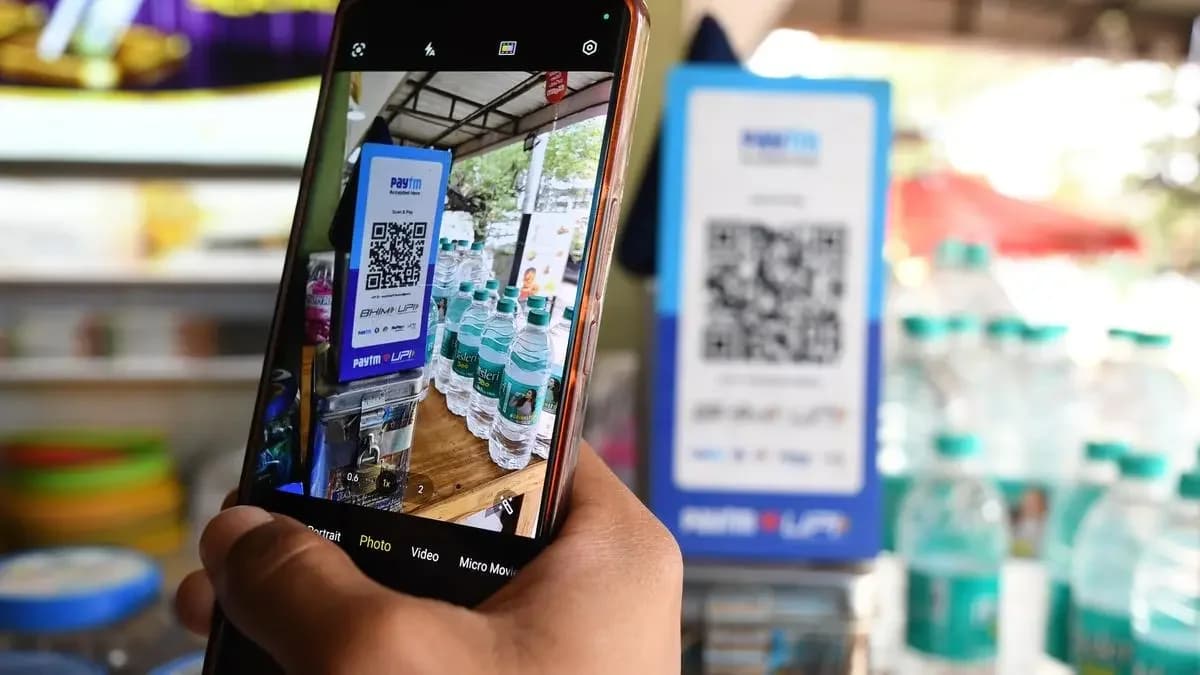
The new 0.4% Merchant Discount Rate (MDR) on UPI payments above ₹2,000 has taken effect from October 15, 2025, creating significant challenges for retailers. According to ETBFSI, the framework creates a clear distinction between merchants protected by the small-merchant exemption and businesses with larger UPI collections. Small merchants receiving up to ₹1 lakh monthly through UPI QR codes continue under the zero-MDR framework, while approximately 96% of P2M transactions remain unaffected. However, retailers with high-value transactions face substantial cost pressures, with the MDR capped at ₹300 for transactions of ₹75,000 and above. As reported by Mint, this represents the first significant departure from the zero-MDR regime that has supported UPI's rapid adoption, with payments up to ₹2,000 and person-to-person transactions remaining free.
The financial impact varies significantly across retail categories, with jewellery, electronics and fashion categories facing the most severe pressure as purchases often exceed ₹2,000. According to Mint, jewellery purchases are particularly affected as jewellers typically see MDR in almost every transaction, with online purchases often crossing ₹50,000-₹75,000 thresholds. Elara Securities estimates that Nykaa could face a ₹29.9 crore annualized hit from MDR, equivalent to 2.6% of its estimated FY27 EBITDA, with its beauty business having an average net sales value of ₹1,567 and fashion at ₹1,759. DMart's estimated impact is 2.1% of estimated FY27 EBITDA, while Trent is better insulated due to Westside's ₹1,600 AOV offset by Zudio's lower ₹900 basket. In contrast, food delivery and quick-commerce companies such as Zomato, Swiggy and Blinkit remain largely insulated as average orders range from ₹380 to ₹540, keeping most transactions well below the ₹2,000 threshold.
Retailers are strategically adapting to the new cost structure through multiple approaches. According to Mint, businesses cannot directly recover MDR from customers as a separate UPI charge, with banks advised to ensure MDR is not passed on to customers and UPI application providers prohibited from imposing platform fees. At The Organic World, which operates premium grocery stores with average transactions of ₹900, founder Gaurav Manchanda plans to absorb the additional cost initially to avoid creating friction for customers. However, for higher-value businesses like FirstCry and Lenskart, the decision may be harder, with companies having relatively more flexibility to absorb additional burden through convenience fees or operational efficiency improvements. As reported by The Knowledge Company's Ankur Bisen, something previously an impulse purchase may become a planned one, with possible changes such as splitting bills or opting for installment payments.
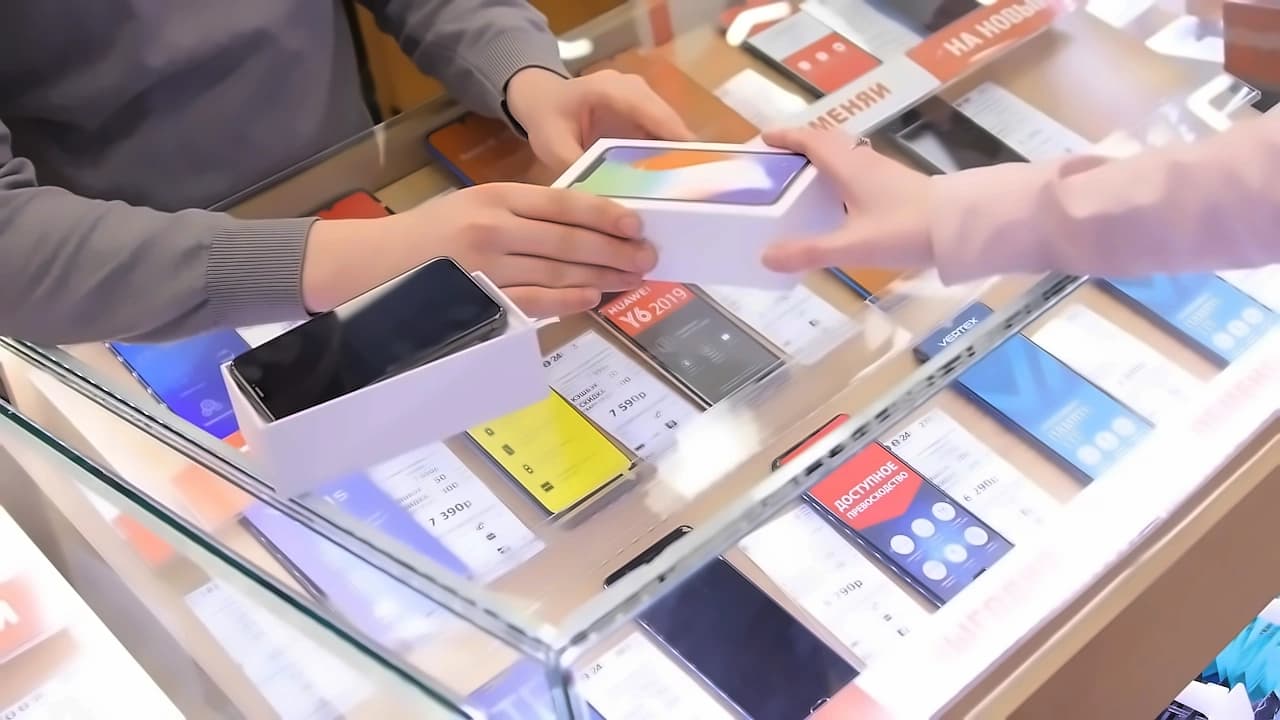
The All India Mobile Retailers Association (AIMRA) has formally urged the Union Finance Ministry to exempt small and medium mobile retailers from any proposed Merchant Discount Rate (MDR) or transaction charges on UPI payments. According to reports from NDTV Profit, AIMRA represents more than 1.50 lakh small mobile phone and electronics retailers across India and has addressed this concern directly to Finance Minister Nirmala Sitharaman in a formal letter. The association has outlined specific demands including complete exemption from UPI MDR for small and medium retailers, continued access to low-cost digital payments, and broader policy support for the retail sector.
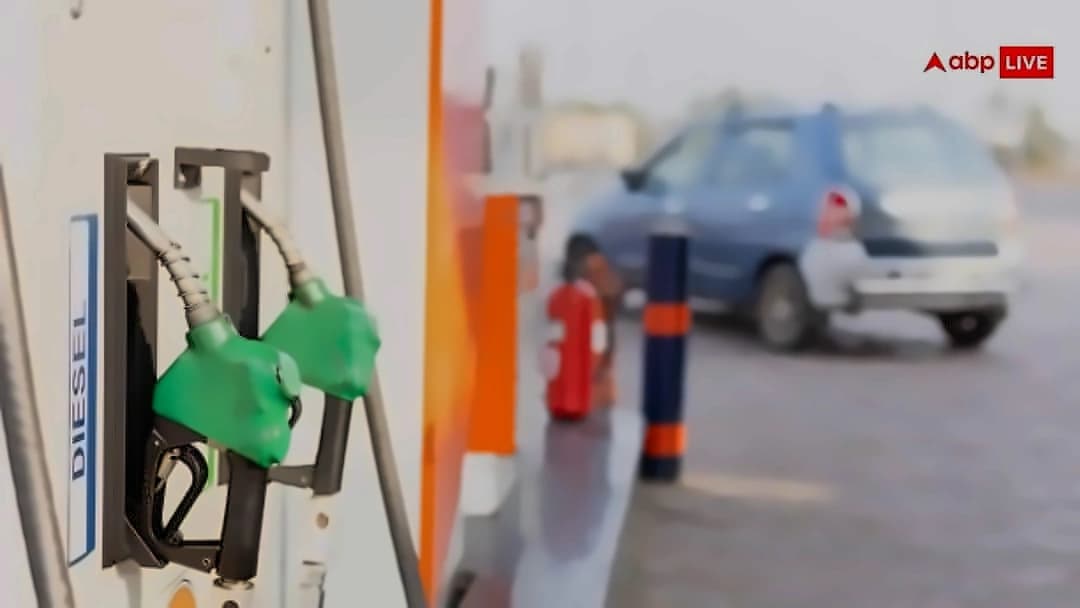
Petrol pumps across Punjab and Haryana have taken decisive action against the new MDR rules, with Punjab petrol pumps refusing UPI payments above ₹2,000 from October 16. As reported by The Tribune, the Petrol Pump Dealers' Association Punjab (PPDAP) has announced this decision after suffering losses from UPI transactions, particularly affecting truck drivers who prefer digital payments. Punjab has over 4,000 petrol pumps that will stop accepting UPI payments above the threshold, while Haryana dealers are yet to take a final decision. The associations have written to Union Ministers Hardeep Singh Puri and Nirmala Sitharaman, demanding complete exemption from the ₹5 MDR for the fuel sector, citing their 2% margin on petrol sales and increased operational costs.