India's digital payment ecosystem has reached a historic milestone with UPI processing nearly ₹30 lakh crore in monthly value as of March 2026, according to latest data from the PIB and Moneycontrol. This represents a remarkable journey from the ₹30,000 crore monthly value achieved in 2016 when UPI was first launched as a pilot program. The system has demonstrated exceptional growth, crossing the ₹20 lakh crore milestone in 2024 and processing 20 billion transactions in 2025. UPI's success stems from its open architecture and API-led ecosystem that enables banks and fintechs to innovate, combined with interoperability across apps, banks, and use cases. The zero-cost structure (MDR) has accelerated merchant adoption while mobile-first design has aligned with India's digital growth trajectory.
The Reserve Bank of India (RBI) issued a circular on 9 April 2025 to banks, introducing guidelines for faster cross-border inward payments and ensuring timely credit to beneficiary accounts. According to reports from Mint, the central bank flagged the lack of transparency in traditional banking processes and instructed banks to provide digital interfaces for customers to monitor forex transactions. This regulatory push comes as India's foreign-exchange remittances have been growing since 2024-25, when inward remittances reached a record ₹135 billion (14% growth), as reported by the RBI. The RBI's Master Direction on 15 September 2025 brought all payment aggregators under one regulation, increasing the pool of PA-CBs and spurring competition from technology startups.
Payment aggregators in cross-border payments (PA-CBs) have emerged as viable alternatives to traditional banks. As reported by Mint, at least 28 PA-CBs have received PA-CB-I&O licenses as of 12 March 2025, including pureplay cross-border payment aggregators like PayGlocal, XFlow, and Skydo, as well as payment gateways such as RazorPay, Cashfree, and Easebuzz. PayGlocal has processed more than ₹1.5 billion in gross transaction value since its inception in 2021, while XFlow's annualized B2B cross-border payments reached $1 billion in December 2025. Skydo has achieved a monthly transaction value that positions it to reach $1 billion in gross transaction value in 2026. The competitive landscape is further intensifying with the launch of JioFinance, Reliance's all-in-one financial services app, which enters a market dominated by established players like PhonePe and Google Pay.
Indian fintechs are now accelerating their agentic commerce initiatives as AI-enabled payment solutions gain traction. According to Razorpay chief product officer Khilan Haria, these deployments represent early AI-enabled commerce flows where conversational interfaces handle product discovery, cart creation, and payment initiation, with final confirmation still performed by users. As reported by Cashfree Payments SVP Nitin Pulyani, the opportunity for agentic commerce in India is potentially as large as, if not larger than, UPI. Quick commerce platform Swiggy was among the first to build its own model context protocol (MCP), offering users to order food and grocery on ChatGPT, Claude, and Gemini without using the Swiggy app. Bigbasket chief product officer Keshav Kumar sees real long-term potential in agentic commerce, particularly in grocery where many use cases are recurring, contextual, and time-sensitive.
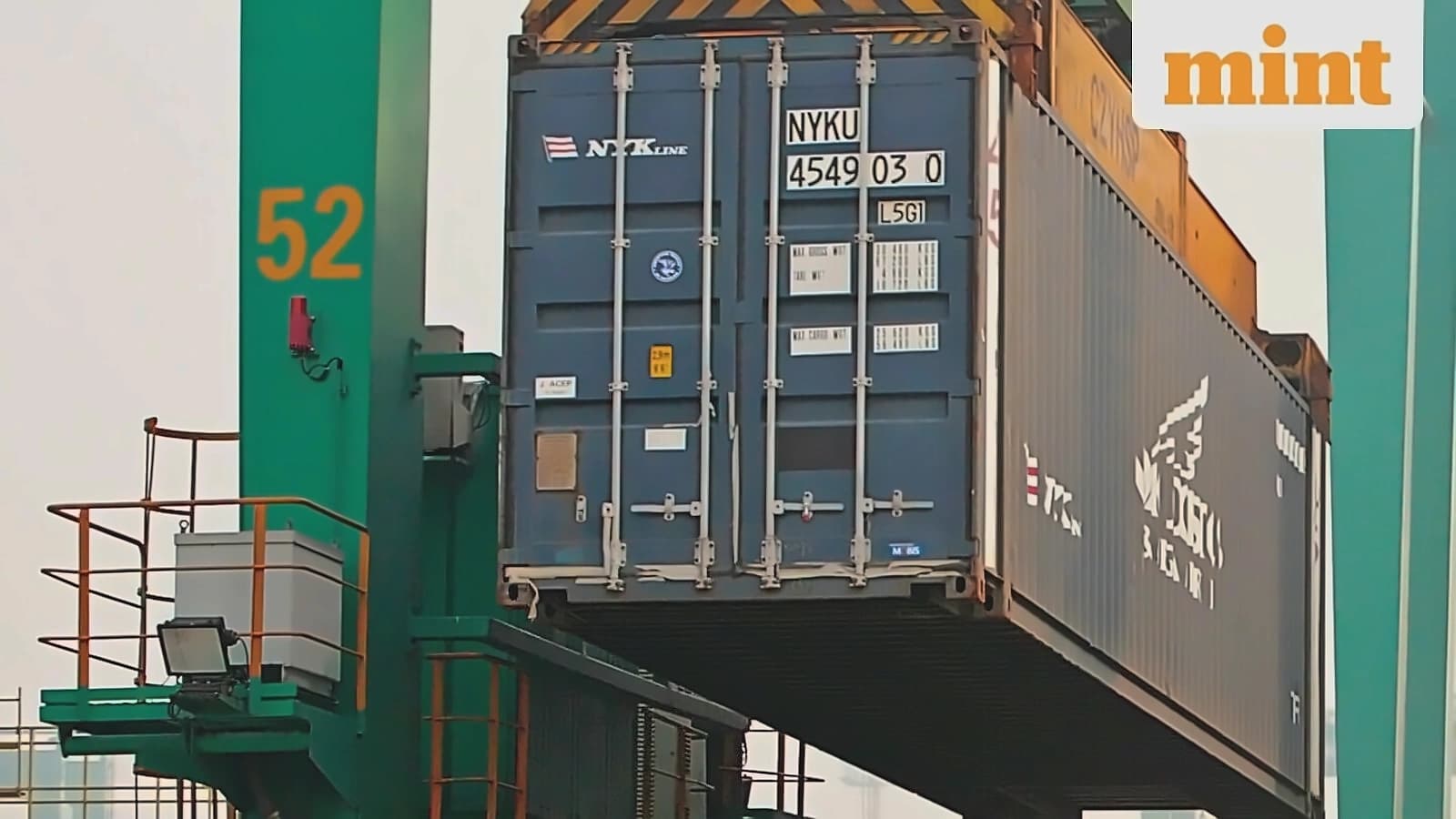
Traditional banks have faced criticism for processing delays and opaque forex conversion rates. According to Mint reports, companies like Azul Arc were losing ₹3 per $1 in forex conversion losses, while Purple Cliq Ventures experienced 3-4 business days for remittances with traditional banks. PA-CBs address these issues through virtual account numbers (VAN) that enable local currency collections in overseas regions before consolidated SWIFT transfers to India. As reported by Mint, these platforms provide transparency on forex conversion rates and real-time visibility throughout the payment process, addressing exporters' concerns about rate fluctuations and processing delays. The industry is rapidly adopting AI, embedded finance, and new digital-only banks, making constant innovation key to staying ahead in this competitive landscape.
India's export sector continues to expand, with non-petroleum exports growing 3.6% year-on-year to ₹388 billion in 2025-26, according to the commerce and industry ministry. As reported by Mint, total exports (goods and services) reached ₹860 billion, growing 4.2% year-on-year. The RBI's regulatory changes have particularly benefited local payment gateways like RazorPay and Cashfree, which are now actively building compliance-first payments platforms for exporters. However, India's fintech rules are changing, with the RBI likely to increase its oversight in 2026 for digital banking, payments, and lending, which could mean new, stricter rules for companies like JioFinance to follow.