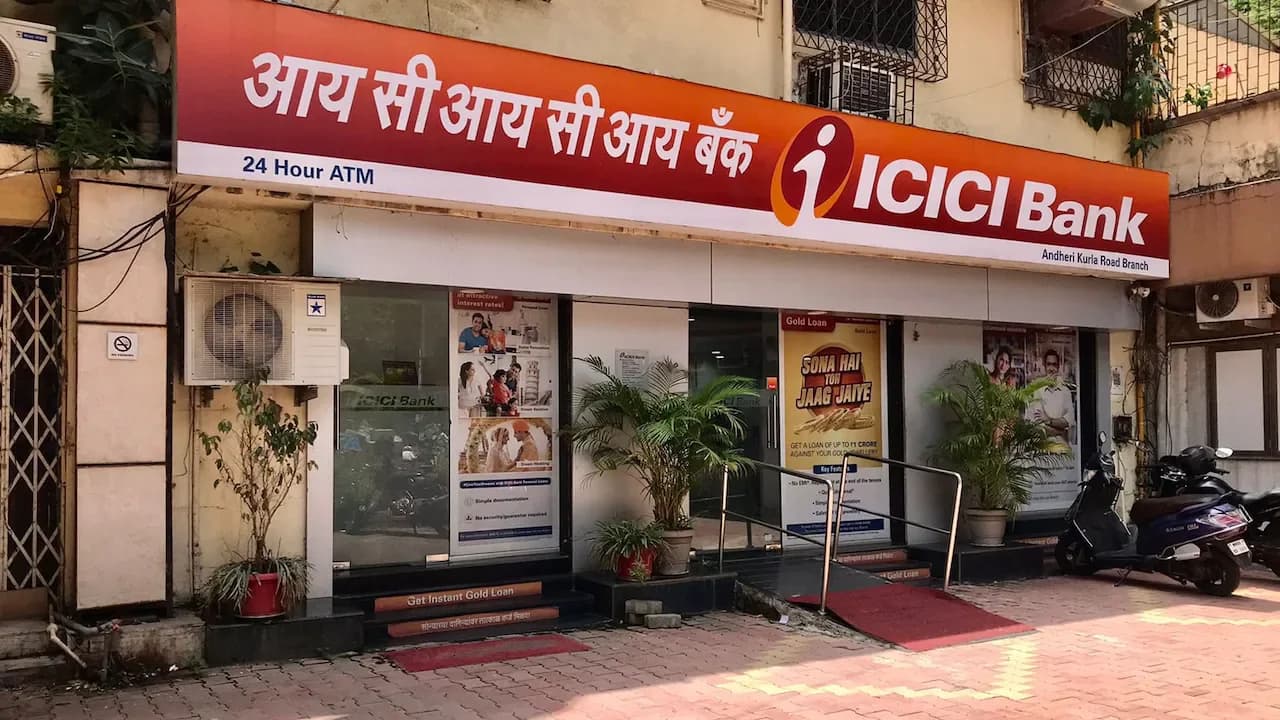
ICICI Direct has integrated the Indicative Equilibrium Price (IEP) across its trading platforms, providing investors with real-time visibility into price formation during the Closing Auction Session (CAS), as announced on Wednesday. According to the latest company press release, the IEP is now visible across watchlists, charts, and for key indices including NSE Nifty 50 and BSE Sensex. The feature allows investors to track demand and supply dynamics in real time before the market officially closes, helping them assess portfolio and derivatives positions ahead of the final settlement price. As per the company statement, by tracking the IEP, investors can gain deeper insights into demand and supply dynamics, identify potential shifts in price direction before the final close on their portfolios and derivatives positions, and make more informed trading and investment decisions. SEBI Chairperson Tuhin Kanta Pandey announced that large brokerages like ICICI Securities, Groww and Angel One will start showing indicative prices by August 14, with the feature also extending to mobile applications.
The move follows SEBI's introduction of the Closing Auction Session for stocks carrying futures and options contracts, as reported by The Hindu BusinessLine. The regulator replaced the earlier volume-weighted average price methodology with an auction-driven mechanism that pools all buy and sell orders from 3.15 pm onward into a single liquidity pool to determine the closing price. SEBI Chairperson Tuhin Kanta Pandey explained that CAS became effective from August 3 as a 20-minute session held between 3:15 pm and 3:35 pm to determine closing prices of stocks under CAS. The transparent pricing method has shown significant adoption improvements, with mutual fund participation rates drastically increasing to 25% compared to the earlier 5-7%. However, the system faced initial challenges as buyers were unable to meet sellers on the first day of launching CAS, reducing trading volumes and triggering sudden upticks in index prices during final trading minutes. Pandey attributed these issues to teething troubles as algorithms and systems were designed for the earlier Volume Weighted Average Price (VWAP) method.
Ajay Saraf, Executive Director at ICICI Securities, stated that clear visibility of the Indicative Equilibrium Price is essential for informed decision-making. By displaying it comprehensively — in the watchlist, on charts and with Nifty spot — they are giving their clients the transparency they need to understand price formation and participate with greater confidence in the Closing Auction Session. This will help enhance market transparency and empower every investor on their platform, according to the company statement. The enhanced adoption reflects growing market confidence in the CAS mechanism, with Pandey noting that Zerodha and Upstox have already implemented the feature and other major Qualified Stock Brokers are following suit. The system's global consistency, used by major exchanges including the New York Stock Exchange and London Stock Exchange, adds credibility to the Indian market's transition toward transparent pricing mechanisms.
The CAS implementation has shown positive results for retail derivative traders, with retail derivative trading losses shrinking to ₹97,000 crore this year from ₹1 lakh crore last year. SEBI Chairperson Tuhin Kanta Pandey indicated that a study reviewing the state of retail derivative trading following the introduction of measures aimed at curbing such losses would be released within eight to ten days. The transparent CAS mechanism, which matches buy and sell orders through auctions rather than averaging recent trades, offers enhanced market transparency for active traders. This development comes after SEBI announced the inclusion of the Closing Auction Session (CAS) with regards to stocks with F&O (futures and options) contracts, positioning ICICI Direct alongside broader market infrastructure changes that align with the regulator's push for more transparent pricing mechanisms in the Indian financial markets.