According to reports from The Economic Times, Flipkart Internet Pvt. Ltd is expanding SuperCoins, its loyalty programme, into a cross-platform rewards currency, much like airline miles, with benefits extending beyond shopping to Uber rides. The programme now covers services such as Uber ride-hailing, where users can earn SuperCoins on rides, and includes a Marriott Bonvoy tie-up that lets customers earn and transfer points across the two programmes. As reported by The Economic Times, around 40 million users earn or burn SuperCoins in some form, one-third of Flipkart's customer base interacts with the programme, and roughly 90% of earned coins are redeemed. According to Gaurav Arora, head of payments at Flipkart, the programme is gaining traction in the discount-led Indian e-commerce market, with customers increasingly valuing loyalty over one-time discounts.
As reported by The Economic Times, Flipkart has reworked its own loyalty stack so that Plus members earn 2% SuperCoins per transaction, while Plus Premium members get up to 4% on purchases of ₹10,000 and above, along with early access and other perks. Gaurav Arora explained that the tiered structure is deliberate, stating that "the economics behind the tiered logic is very simple. The more frequent you are with us, the more we want to reward you, and we want to keep you at that higher frequency tier because you get rewarded more." According to Arora, the company's 40 million SuperCoins users have a burn rate close to one-to-one with issuance, suggesting the programme is being used rather than hoarded. He emphasized that "pretty much everything ends up being used," with the company wanting SuperCoins to become valuable enough that partners see it as a long-term growth tool, not a short-lived promotion.
According to Arora's interview with The Economic Times, the idea has evolved over time and is now in its "third version". He emphasized that "it is tough to make a loyalty product work. You have to get the economics right before anything else." Arora described the company's approach as wanting to issue only as many coins as it can back with real redemption value, stating that "our goal is that the customer should have the option to burn whenever they want," while also stressing that the company wants users to value a coin at more than one rupee over time. He described expiry as a defect, not a feature, and said the goal is to limit issuance so customers trust that the currency will hold value. Arora noted that partner integrations matter because the goal is to embed rewards into everyday life, stating that "if you keep it tied only to one marketplace or one app, then either it is not valuable enough, or the customer forgets about it."
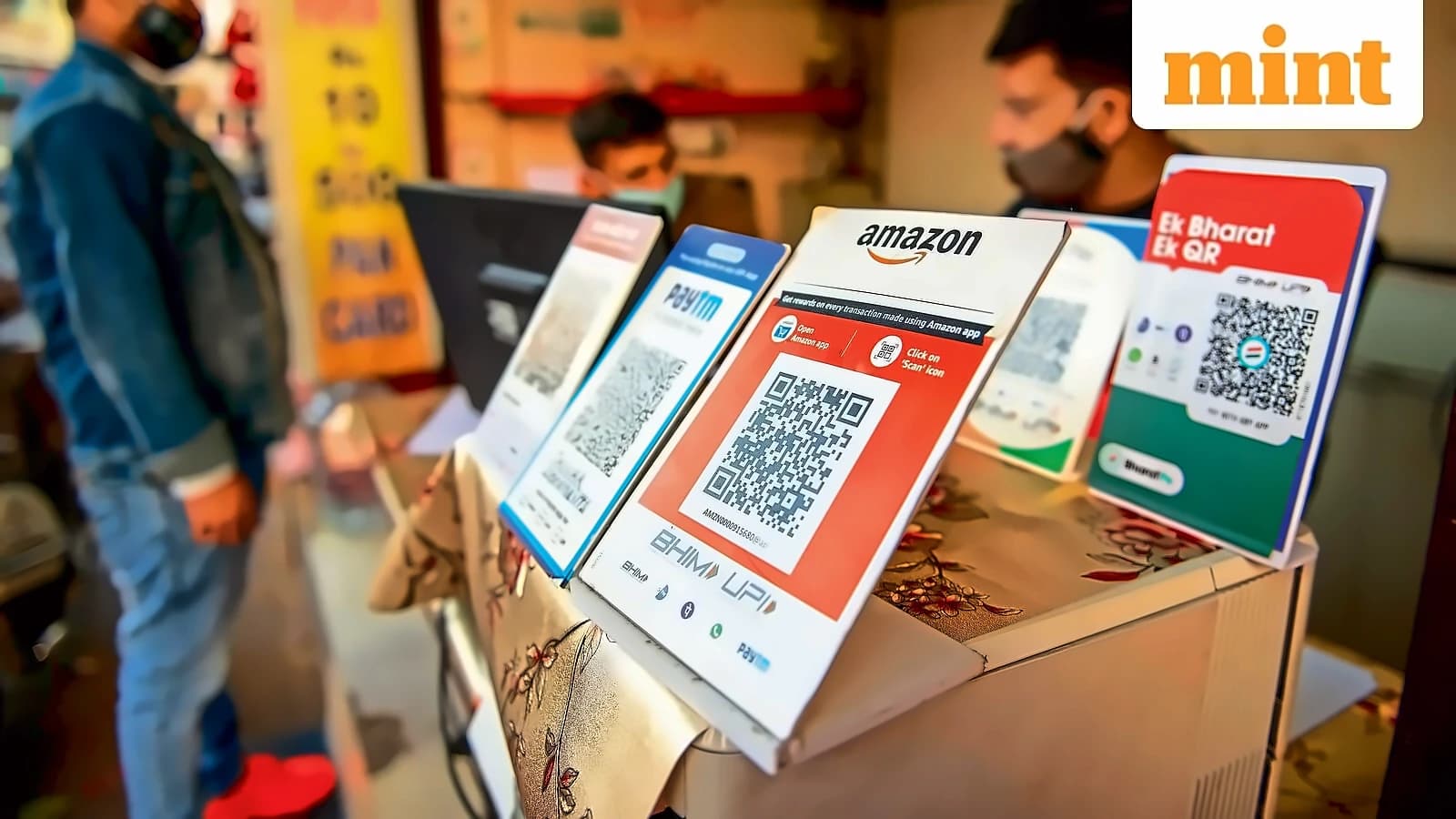
As reported by The Economic Times, the loyalty push places Flipkart alongside Amazon and Tata Digital in the race to build sticky loyalty ecosystems, albeit through different models. Amazon's Diamonds programme is also a rewards currency, but its seller terms show it is explicitly designed to increase customer engagement and shopping transactions, and Amazon charges a Diamonds fee of 0.105% of the product's total selling price to fund the programme. Tata NeuCoins operate within Tata Digital's super app, where customers can earn and use rewards across Tata brands such as BigBasket, Croma, 1mg, Air India, and Indian Hotels Co. Ltd, with 1 NeuCoin equalling ₹1. For Flipkart, the bigger bet is that loyalty can work even in a market built on deal-hunting, with the company positioning SuperCoins as a sustainable alternative to discount-driven customer retention.
According to reports from The Economic Times, the loyalty push comes at a time when Walmart-owned Flipkart has been preparing for a long-awaited public market debut. The company had explored raising $2 billion to $2.5 billion in a pre-listing funding round, but media reports suggest those discussions have been put on hold as Walmart is pushing Flipkart to prioritize profitability and Ebitda breakeven by 2026-27 before any listing. Flipkart reported a 14% year-on-year rise in revenue to ₹20,493 crore in 2024-25, while losses narrowed 37% to ₹1,494 crore. The company's total expenses rose 8% to ₹22,311 crore, with marketing and promotion costs jumping 37% to ₹4,100 crore.