Content commerce is fundamentally reshaping India's streaming landscape as platforms transform viewers into active shoppers. According to reports from Mint, this evolution involves two distinct paths - YouTube's creator-led options and OTT platforms' lean-back environments. Viewers increasingly arrive seeking opinions, reviews, and recommendations, making features like product shelves and live shopping natural extensions of content experiences. As platforms experiment with commerce, they're making advertising more contextual through interactive formats, QR-enabled creatives, and dynamic messaging that adapts to live signals.
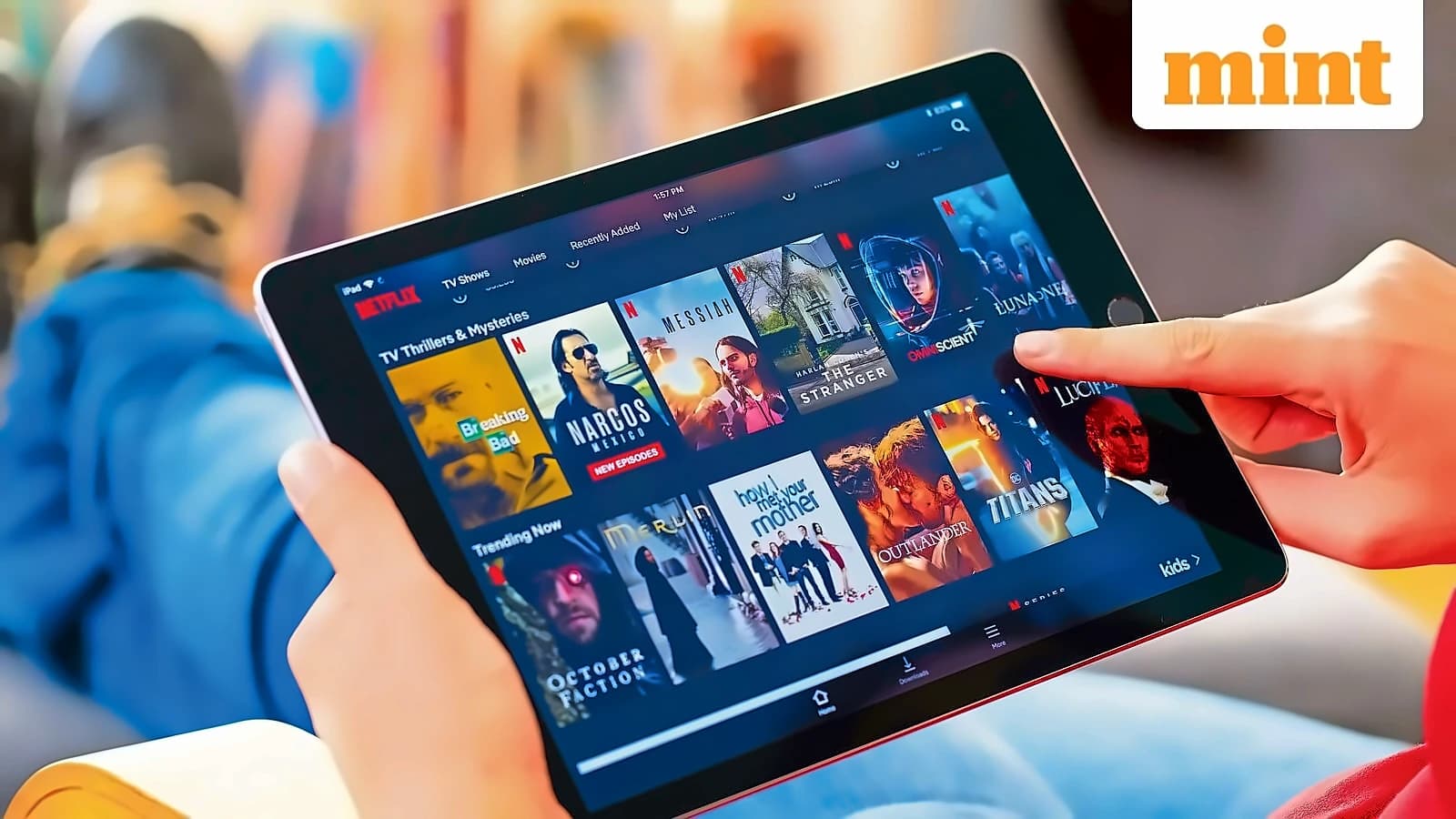
Major platforms are implementing innovative commerce strategies to enhance viewer engagement. Flipkart and Netflix recently announced a partnership that enables Flipkart Plus members to earn a Netflix Mobile Plan monthly through regular shopping without separate subscriptions. Additionally, JioHotstar launched the 'Shop the Look' initiative with NEWME for its show Splitsvilla, allowing viewers to discover and shop fashion inspired by the show without platform navigation. As reported by Mint, JioStar partnered with Swiggy Instamart during IPL 2026 and the digital premiere of Dhurandhar: The Revenge, enabling audiences to instantly order snacks while watching films.
YouTube has established one of the most comprehensive creator-led affiliate models in the market. According to Mint reports, eligible creators can tag products in videos, Shorts, and livestreams and earn commissions when viewers purchase through those links. Participating merchants determine commission rates and attribution windows, while creators track performance through YouTube Analytics. Prime Video operates differently due to Amazon's control over both viewing environments and retail marketplaces, while JioHotstar is developing integrated versions in India with features like the Shop The Look initiative.
The content commerce ecosystem faces significant attribution challenges that impact revenue measurement. As reported by Mint, 88% of Indian shoppers consider YouTube important for product research and decision-making, while 85% trust YouTube creator opinions. However, Vishal Agrahari from BC Web Wise notes that viewers often discover products on one screen and complete purchases on another, creating complex attribution issues. The revenue model varies significantly across platforms, with no standard revenue share, while regional OTT platforms have compelling advantages due to shared cultural moments and local preferences.
Despite current challenges, content commerce represents a significant opportunity for platform monetization beyond traditional subscription and advertising models. According to Mint reports, this emerging revenue stream could redefine how audiences engage with brands, moving commerce from separate journeys to natural extensions of viewing experiences. The next evolution involves creators gaining greater ownership through branded products and storefronts, with some creators already launching their own products to control both revenue and customer relationships, potentially becoming the third pillar alongside ad revenue and brand deals.