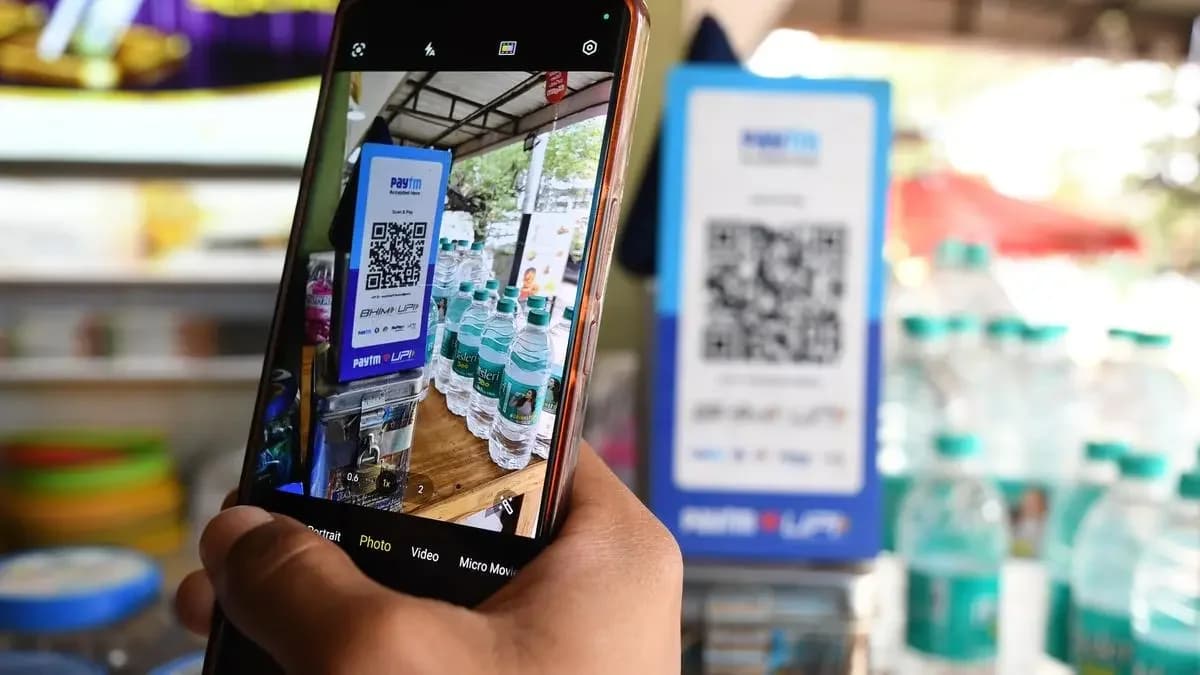
CMS Info Systems shares gained as much as 7.22% to their day's high of ₹239 on Wednesday following the government's announcement of Merchant Discount Rate (MDR) on select UPI transactions above ₹2,000. According to reports from The Economic Times, the government will introduce MDR on Person-to-Merchant (P2M) UPI transactions from October 15 onwards, with merchants paying 0.4% on transactions above ₹2,000. A maximum fee of ₹300 can be levied on such transactions of ₹75,000 or more. The National Payments Corporation of India (NPCI) announced this decision on Tuesday, making CMS Info Systems a potential direct beneficiary of the government's first-ever MDR policy on UPI transactions. The broader market response has been positive, with Paytm shares rising as much as 7.25% to ₹1,855.50, One Mobikwik up 6.54% to ₹213.99, and Yes Bank emerging as the biggest beneficiary with a 4.46% surge.
The introduction of MDR on select UPI payments is emerging as a potentially meaningful monetisation opportunity for banks and payment companies, with brokerages estimating an annual industry revenue pool of ₹10,000-20,600 crore. According to UBS, the revenue pool could range from ₹10,000-15,000 crore annually, with banks retaining about 60-70% while the remainder accrues to payment companies. Goldman Sachs estimates a substantially larger ₹20,600 crore potential industry revenue pool, based on calculations that about half of overall UPI transaction value could attract the full 40-basis-point MDR. JPMorgan puts the maximum pool at around ₹17,000 crore, including roughly ₹11,700 crore for issuing and acquiring banks. Citi estimates ₹16,000-17,000 crore of annual ecosystem revenue, with roughly 60% going to banks, 25% to UPI application providers and 15% to non-bank payment aggregators. Jefferies estimates the industry opportunity at ₹15,000-18,000 crore, to be shared among issuing banks, acquiring banks, payment apps and other participants in the UPI ecosystem.
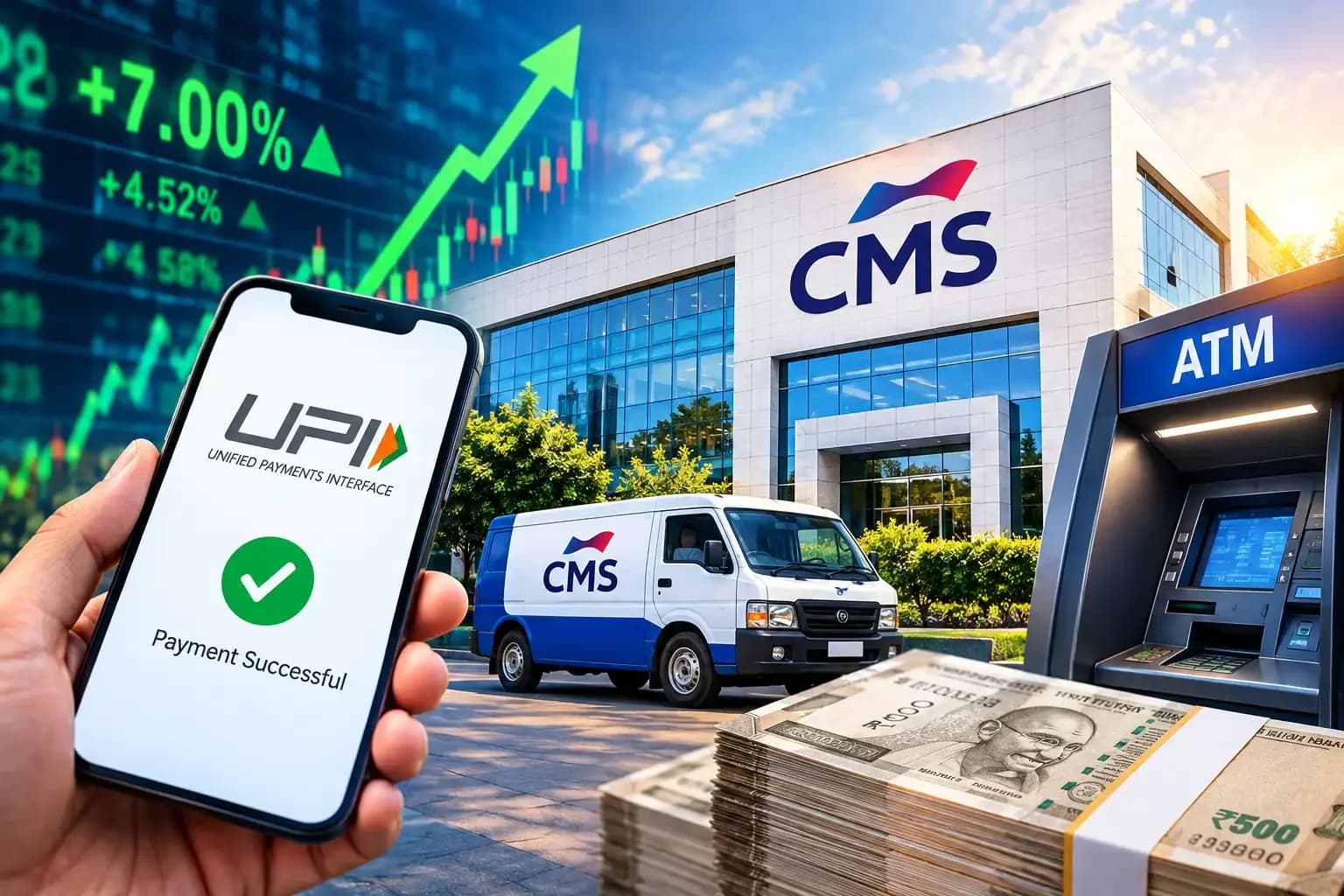
As reported by The Economic Times, CMS Info Systems is one of India's largest cash management and business services companies, offering physical logistics, banking automation and AI-driven technology solutions. The new MDR policy could benefit CMS because its core business includes cash logistics, ATM cash management, retail cash management and cash-in-transit services. With the 0.4% MDR on UPI P2M transactions above ₹2,000 from October 15, higher-value digital payments will no longer be completely free for merchants, potentially making cash payments relatively more attractive for some merchants, particularly where transaction values are high and margins are thin. This policy shift could directly benefit CMS's core cash-related services as merchants may opt for cash transactions over digital payments for higher-value transactions. However, analysts note that the actual impact will depend on how merchants respond to the new MDR rules and whether they shift a meaningful part of their payments to cash.
According to The Economic Times, consolidated revenue rose 1.2% year-on-year to ₹634.7 crore in Q1 FY27 from ₹627.4 crore in Q1 FY26. EBITDA increased 6.9% year-on-year to ₹168.8 crore from ₹157.9 crore, while the EBITDA margin improved to 26.6% in Q1 FY27 from 25.2% in the year-ago quarter. However, consolidated profit after tax (PAT) fell 10.6% year-on-year to ₹83.7 crore in Q1 FY27 from ₹93.6 crore in the same quarter last year. The company's shares have experienced significant volatility, down 19% in the last six months and a massive 35% since the beginning of the year, with the stock declining 45% in the last one year.
As reported by The Economic Times, for nearly seven years, UPI became increasingly popular as transactions could be made quickly without paying additional charges. The government has repeatedly clarified that UPI will remain free for citizens and person-to-person transactions will continue without charges. RBI Governor Sanjay Malhotra in August said 'Someone has to pay the cost' while discussing digital payment infrastructure costs. He stressed that the RBI wants digital payments to remain accessible, affordable and safe, but also sustainable. The Reserve Bank of India (RBI) has backed the introduction of MDR on large-value UPI transactions, stating that the move will help support the long-term sustainability of India's digital payments ecosystem. The central bank said the change will help UPI continue to grow, innovate and serve consumers and businesses, while maintaining that UPI will remain free for citizens and person-to-person transactions will continue without charges.