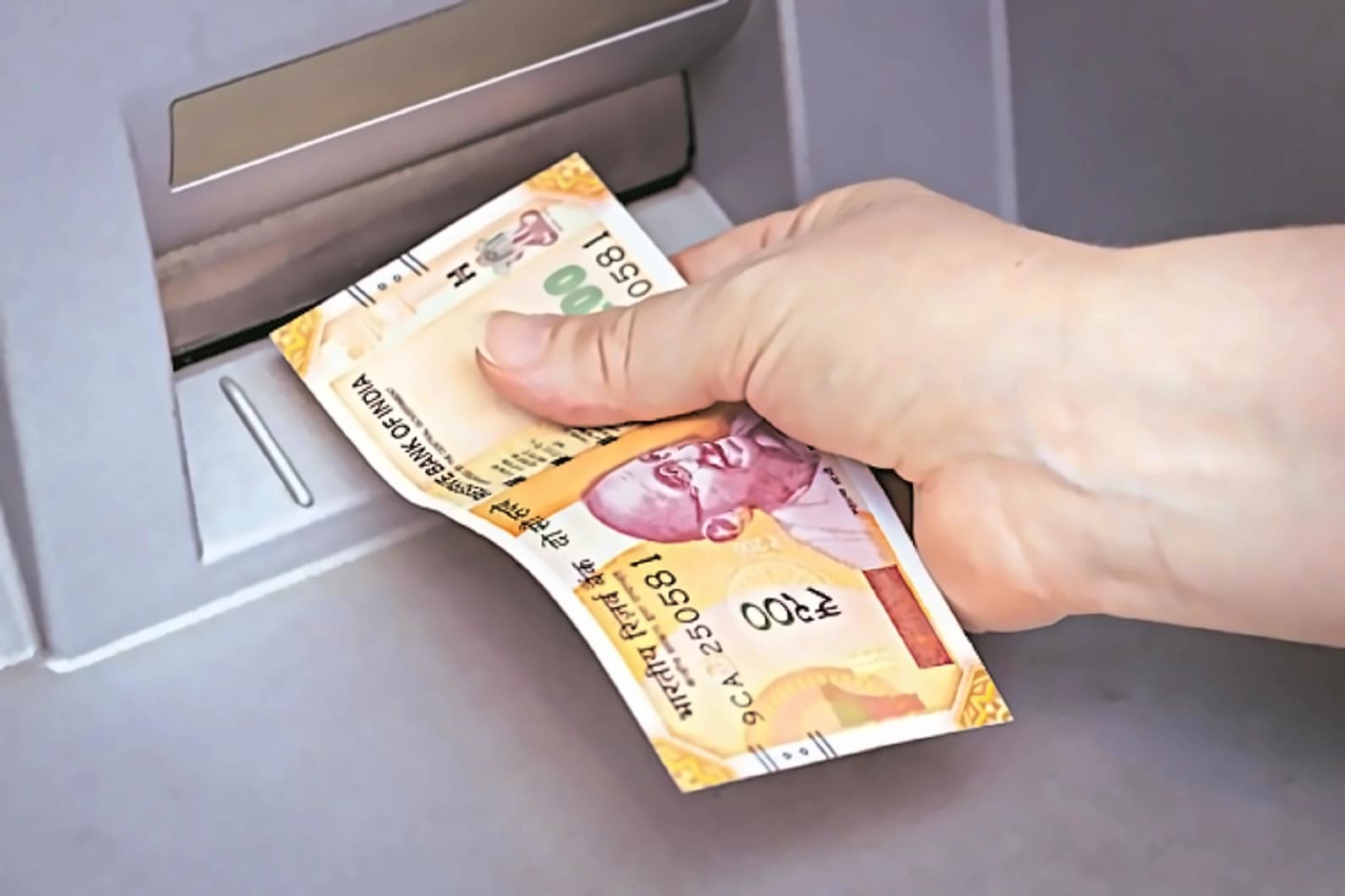
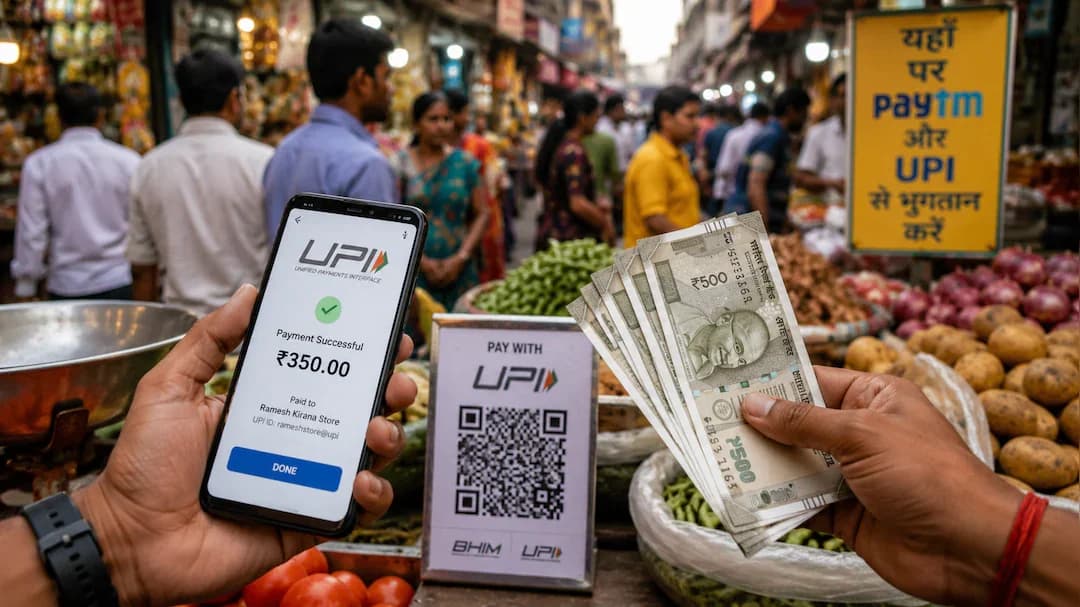
India has emerged as the world's largest currency issuer, with 176 billion rupee notes currently in circulation compared to an estimated 56 billion US dollar bills and 30 billion euro notes worldwide as of the end of last year. As reported by The Economic Times, RBI Deputy Governor Shirish Chandra Murmu revealed at the Global Cash Management 2026 conference in Jakarta that India's rupee banknotes significantly outnumber US dollar bills and euro notes by a wide margin. The scale is driven by India's currency mix, which leans heavily on lower-denomination notes, meaning more individual pieces are needed to move the same amount of money compared to economies that rely on higher-value notes. This massive volume reflects the scope of logistics involved in keeping cash flowing across the country.
Reserve Bank of India Deputy Governor Shirish Chandra Murmu has officially confirmed India's 'cash paradox' at the Global Cash Management 2026 conference in Jakarta. Speaking to central bankers from across the world, Murmu noted that currency in circulation continues to grow at double-digit rates despite a decline in cash's share of individual transactions due to increasing digital payment adoption. This paradox is evident in the latest data showing cash in public hands reached ₹41.8 lakh crore as of July 31, 2026, marking a 13% year-on-year increase, according to The Hindu. The Deputy Governor highlighted that cash continues to play a critical role in India's economy, especially in rural and semi-urban regions, among low-income households, senior citizens and small businesses. As reported by The Economic Times, Murmu emphasized that even as digital payments adoption has been revolutionary in the previous decade, cash in circulation has not declined, particularly in rural and semi-urban areas, among low-income groups, older populations, and small businesses. Murmu also noted that the combination makes future demand harder to predict, which complicates our planning for production and distribution capacity, highlighting the complexity of managing currency operations in an increasingly digital economy.

The scale of India's currency management operations is unprecedented globally, as revealed by Murmu at the conference. The country currently has around 176 billion banknotes in circulation, while RBI produces 28-30 billion banknotes annually and withdraws about 21 billion soiled notes every year. The Deputy Governor stressed that maintaining public confidence in cash remains a core responsibility of the central bank, pointing to the RBI's Clean Note Policy under which old and unfit currency notes are regularly removed and replaced with good-quality banknotes. Murmu highlighted that India's count is driven partly by a denomination mix weighted towards lower-value notes, which naturally means more pieces change hands for the same value of transactions. By comparison, roughly 56 billion US dollar bills and 30 billion euro banknotes were in circulation at the end of last year. The Deputy Governor noted that while digital payments are expanding, cash remains a significant mode of payment and preserving trust in it through clean notes, secure logistics, and a currency ecosystem people can rely on is central to preserving monetary sovereignty itself.
Historical data reveals a clear trend toward cash usage recovery. UPI transactions experienced explosive growth of 133% in FY20, 95% in FY21, and 105% in FY22, but growth has since moderated to 20.3% in FY26 and 18.7% in FY27. Meanwhile, cash in circulation grew from 6.5% in FY25 to 12% in FY26 and has maintained 13% growth in FY27. As reported by The Hindu, even as the government debates MDR on big-ticket UPI transactions, the growth in value of such operations has been on the decline over the past five years, while cash in public hands increased over the same period. Former Chief Statistician of India Pronab Sen has suggested that these growth rates should correlate with higher inflation rates, noting that the undercounting of inflation could be a factor in these figures. The RBI's currency demand projections are based on a five-year forward assessment, with transactional demand estimated using factors including changes in currency in circulation, gross domestic product (GDP) growth, interest rates, food inflation and the pace of digital payment adoption.
The analysis suggests that while UPI maintains significant growth advantages with 18.7% growth compared to cash's 13% growth in FY27, the margin between cash and digital transactions is narrowing. Among the challenges ahead, Murmu identified the difficulty of forecasting currency demand in an increasingly digital economy, improving note durability through technologies such as polymer notes, and reducing the environmental footprint of the cash management cycle. The RBI is exploring ways to extend banknote durability, including surface coatings on the substrate and polymer notes for lower denominations. The Indian government has approved the introduction of one billion polymer banknotes of ₹10 and ₹20 for field trials, with the RBI targeting circulation of pilot polymer banknotes from the beginning of FY28, subject to successful field trials and operational assessment. The central bank has initiated the tendering process for procuring polymer substrate and will test the notes under Indian climatic and usage conditions before deciding on a wider rollout. The RBI is also working to reduce the carbon footprint of the cash cycle by optimising its distribution network and improving the disposal of banknote briquettes.