India's digital payment landscape is entering a new phase with the Digital Rupee gaining significant traction beyond UPI's traditional dominance. The RBI launched a pilot project in 2022, and by early 2025, the Digital Rupee had recorded daily transactions worth approximately ₹5 crore, with over 5 million users and 4 lakh merchants enrolled. The central bank is now exploring integration with India's Direct Benefit Transfer (DBT) system, which currently serves more than 90 crore beneficiaries. States such as Gujarat have already launched India's first CBDC-based Public Distribution System (PDS), utilizing automated Grain ATMs capable of dispensing approximately 25 kilograms of grain in 35 seconds. The RBI is also in discussions with the Ministry of Finance and the Unique Identification Authority of India regarding potential linkages between the Digital Rupee and Aadhaar-based payment systems.
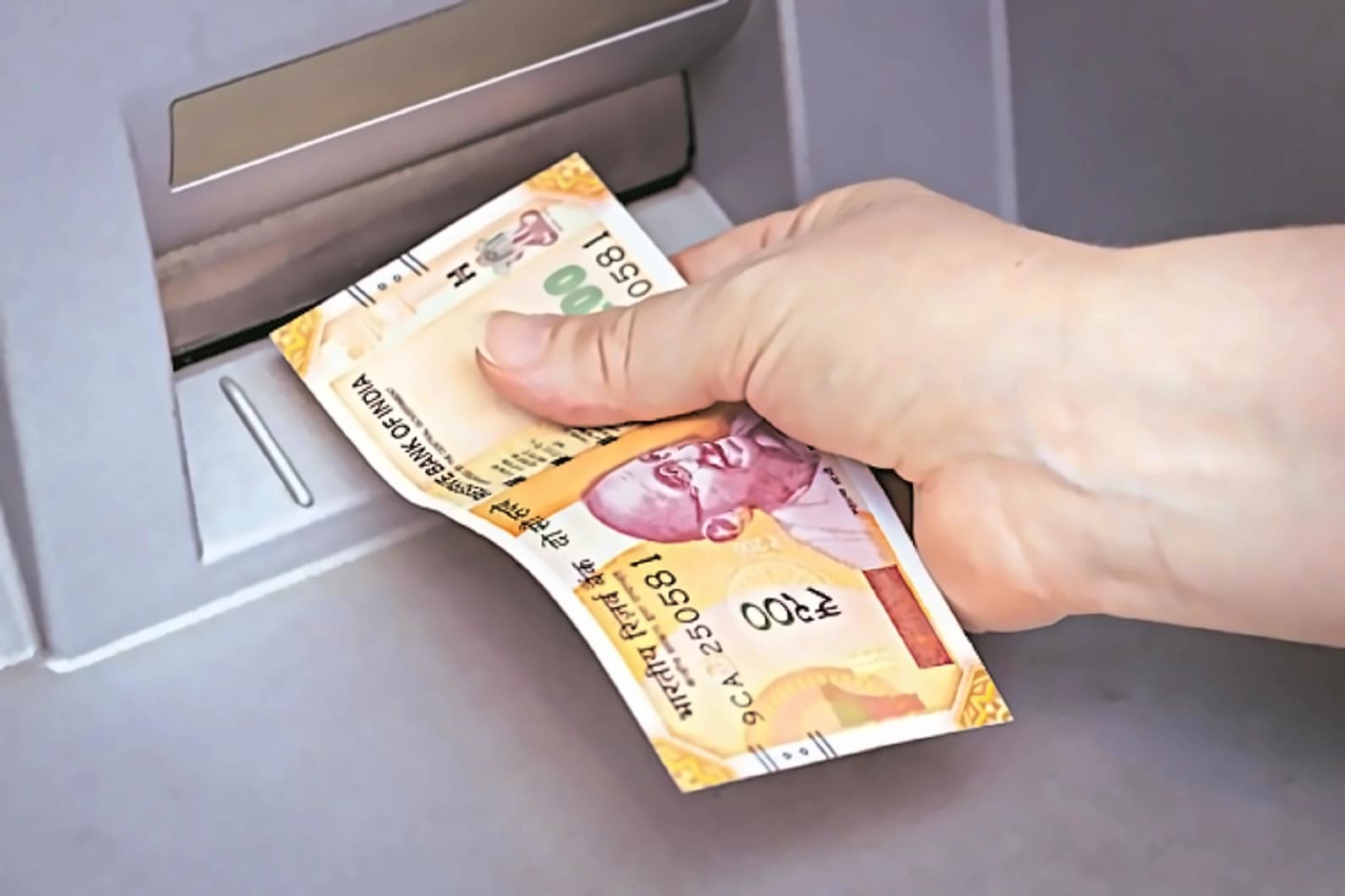
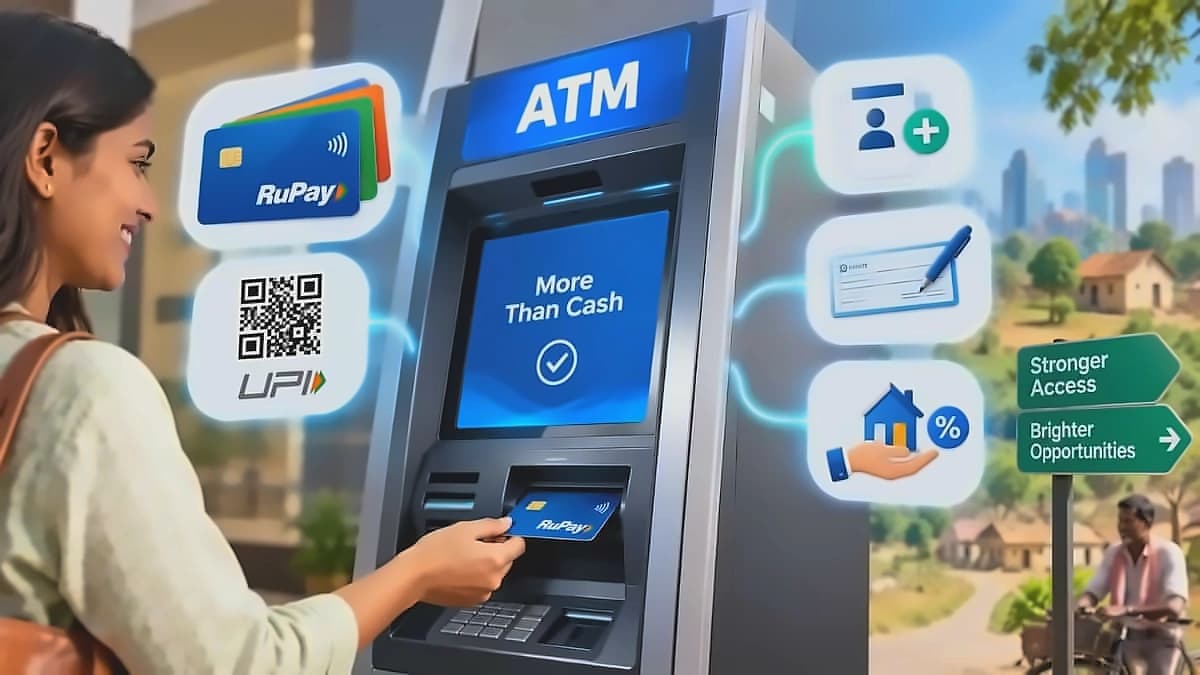
India's ATM infrastructure has grown significantly since the first machine was installed by Hong Kong Bank in Mumbai in 1987. According to reports from Business Standard, the total number of ATMs in India has reached approximately 265,000 today, demonstrating the technology's widespread adoption across the country. Despite the rapid growth of digital payment platforms like UPI, ATMs continue to serve as essential cash access points for consumers who prefer physical transactions over digital alternatives. The expansion of ATMs has not resulted in significant job losses in the banking sector, contrary to initial fears expressed by employee unions. There are currently more than 165,000 bank branches in India, with many ATMs located on the same premises or adjacent to bank branches, enabling banks to operate with significantly fewer staff while maintaining branch networks.
Contrary to expectations of rapid cash reduction, cash in circulation has actually grown by 11% in 2025-26 according to the RBI Annual Report, as reported by Business Standard. This growth indicates that despite the widespread adoption of digital payment methods, physical cash remains a preferred choice for many transactions. The continued circulation of cash ensures that ATMs maintain their utility as cash dispensing and recycling machines, particularly important for smaller transactions and emergency cash needs. The Digital Rupee's offline payment functionality is particularly designed to benefit rural and remote areas where internet access remains inconsistent, potentially advancing financial inclusion for India's unbanked and underbanked population.
Consumer behavior analysis reveals that payment choices are increasingly driven by transaction amounts and convenience factors. According to Business Standard reports, UPI is primarily used for smaller transactions under ₹5,000, while consumers select credit cards for reward points collection and larger payments are processed through RTGS or cheque. The middle class Indian consumer now has multiple options including cheque, credit card, debit card, cash, UPI, and RTGS, creating a complex payment ecosystem where consumers actively choose their preferred method based on transaction size and personal preferences. The Digital Rupee's programmability features could enable funds to be utilized only for specified purposes, thereby reducing the risk of misuse and improving welfare distribution efficiency.
India's position as one of the world's largest recipients of remittances, receiving over USD 100 billion annually, positions the Digital Rupee for significant cross-border applications. The RBI has been exploring cross-border CBDC interoperability through discussions and pilot initiatives with foreign central banks and international institutions. The expansion of the Digital Rupee could make remittance transactions faster and more efficient, while potentially reducing settlement times. However, the long-term success of this expansion will depend on effective implementation, adequate public awareness, and robust safeguards. Every CBDC transaction is traceable, creating detailed records of economic activity within a state-regulated infrastructure, raising legitimate privacy concerns. Additionally, any cybersecurity incident affecting interconnected digital payment and welfare delivery infrastructure could have significant consequences for beneficiaries and public trust.