


A consolidated view of market events, assembled from diverse sources.

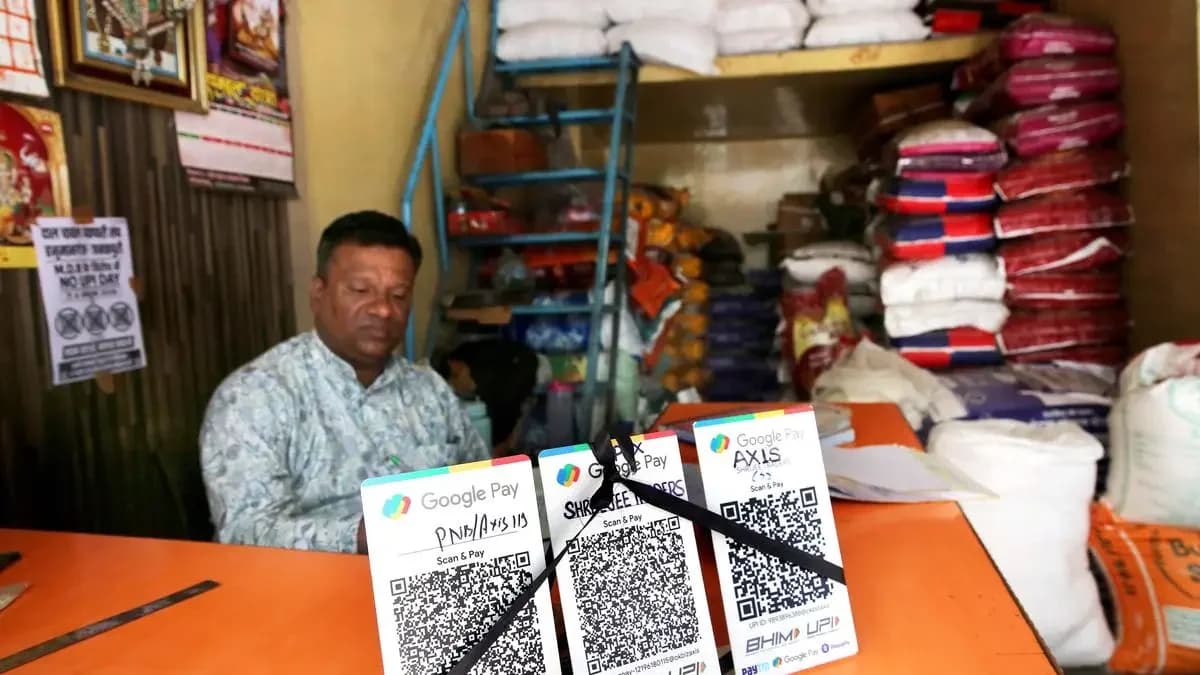
A new IIT-Bombay study by Professor Ashish Das and former RBI adviser Praggya Das challenges NPCI's authority to unilaterally set UPI merchant discount rates, arguing that the Payment and Settlement Systems Act 2007 does not grant such price-fixing jurisdiction. The study reveals significant cross-subsidization of ₹23,100-29,400 crore in FY26 from UPI users to credit card users, recommending that RBI should determine any regulated MDR ceilings instead of NPCI.
Groww launched AI-powered products GR-1 and MF Prime at Groww Next 2026, expanding multilingual trading capabilities across 20+ Indian languages and introducing global investment options for US stocks and ETFs. The platform reported strong user engagement with nearly 30% of India's IPO allocations received by Groww customers and over 2.5 lakh first-time investors participating in the Jio IPO.

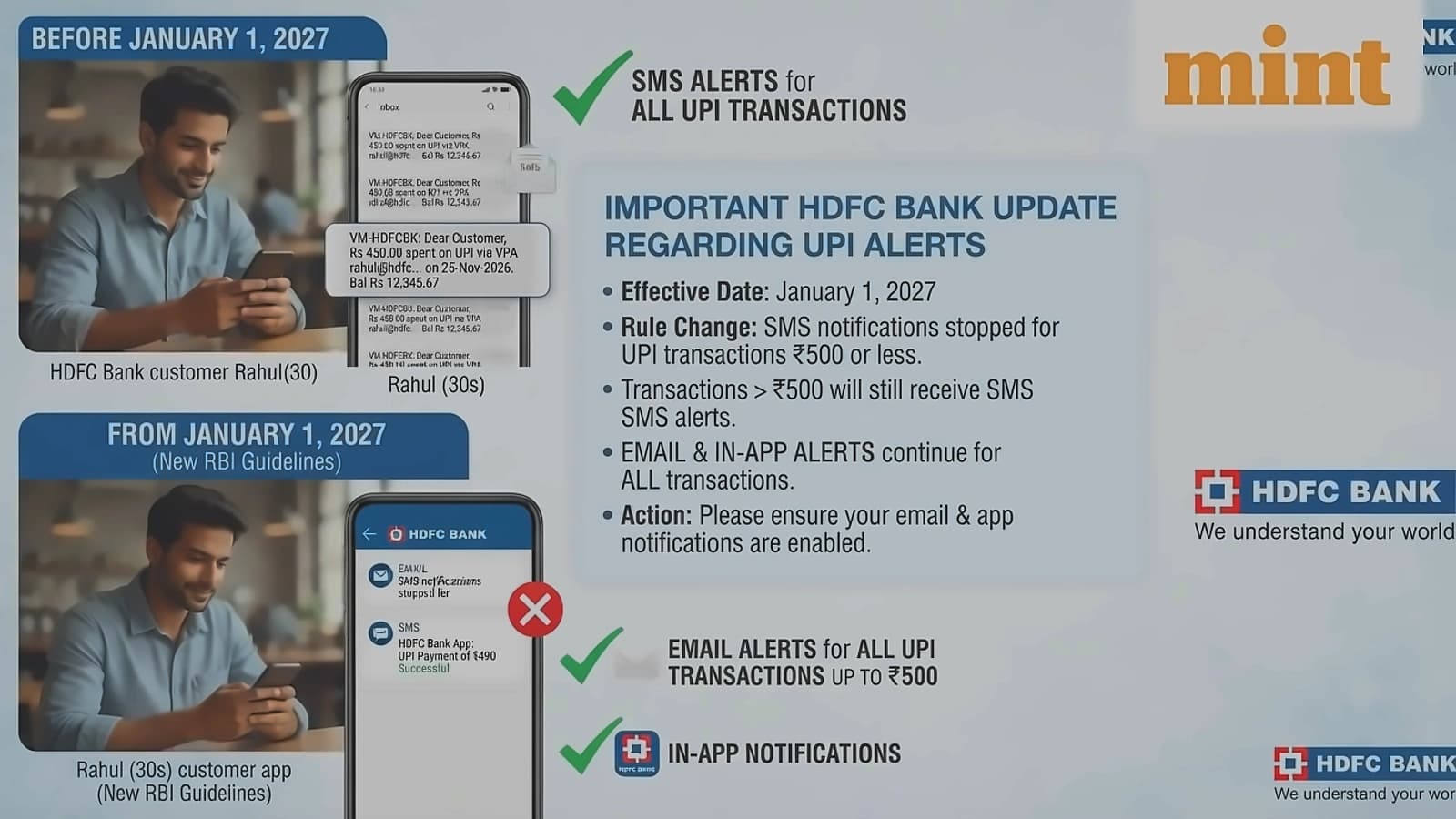
HDFC Bank will discontinue SMS alerts for UPI transactions worth ₹500 or less from January 1, 2027, while maintaining email notifications for all UPI transactions. This policy change aligns with RBI's revised guidelines that allow banks to decide whether to send SMS alerts for small-value transactions based on their internal policies.

The Reserve Bank of India has issued new White Label ATM Operators Directions 2026, effective November 27, 2026, allowing non-bank entities to establish and operate ATMs across India. The framework introduces multi-bank cash sourcing capabilities, enabling operators to purchase cash directly from RBI issue offices and partner with multiple banks for cash replenishment, while maintaining deployment priorities in underserved areas.


The Open Network for Digital Commerce (ONDC) is launching 'NearU' in December 2026 as a proof of concept in Delhi, promising four-hour delivery for mobile phones and next-day delivery for other electronics through existing brick-and-mortar stores. This government-backed initiative aims to compete with quick commerce by providing quick delivery without requiring dark stores or extra inventory, potentially offering an alternative model for rapid delivery services.

The Reserve Bank of India has issued new rules effective July 1, 2027, allowing banks to temporarily freeze suspicious accounts and restrict transactions to combat cyber fraud and money mule operations. High-street banks have raised concerns about security vulnerabilities in the pre-authorisation system used by non-banking finance companies, which lacks two-factor authentication and creates significant fraud risks compared to traditional payment methods.

Britain's Financial Conduct Authority has issued comprehensive guidance for technology firms developing AI agents for financial services, warning that just because a business describes itself as a technology provider does not mean it doesn't need FCA authorization. The regulatory advisory follows Meta's launch of its Muse AI agent in the UK and comes as around 11 million UK adults would be willing to let AI make financial decisions within agreed limits.

Payments technology company Cashfree launched Cashfree Wallet, enabling users to authorize AI agents to make payments within preset budgets and spending rules. The wallet has generated significant interest with over 100 personal agents integrating and AI agent traffic increasing 16-fold since the start of the financial year, addressing the gap in secure, seamless payment authorization for AI agents in India's growing agentic commerce market.

Gentle has launched its mobile application in India, targeting young investors seeking unified investment management solutions. The platform consolidates diverse investment holdings including stocks, mutual funds, and unlisted shares into a single view, while delivering personalized news updates and market insights in plain English.

Razorpay announced that payout services will resume within 7 days following a technical disruption caused by upgrades to their payout systems in conjunction with banking partners. The company emphasized that merchant funds remain safe and fully accounted for during the downtime period, while the extended service disruption reflects broader industry-wide security measures tightening payout system checks.