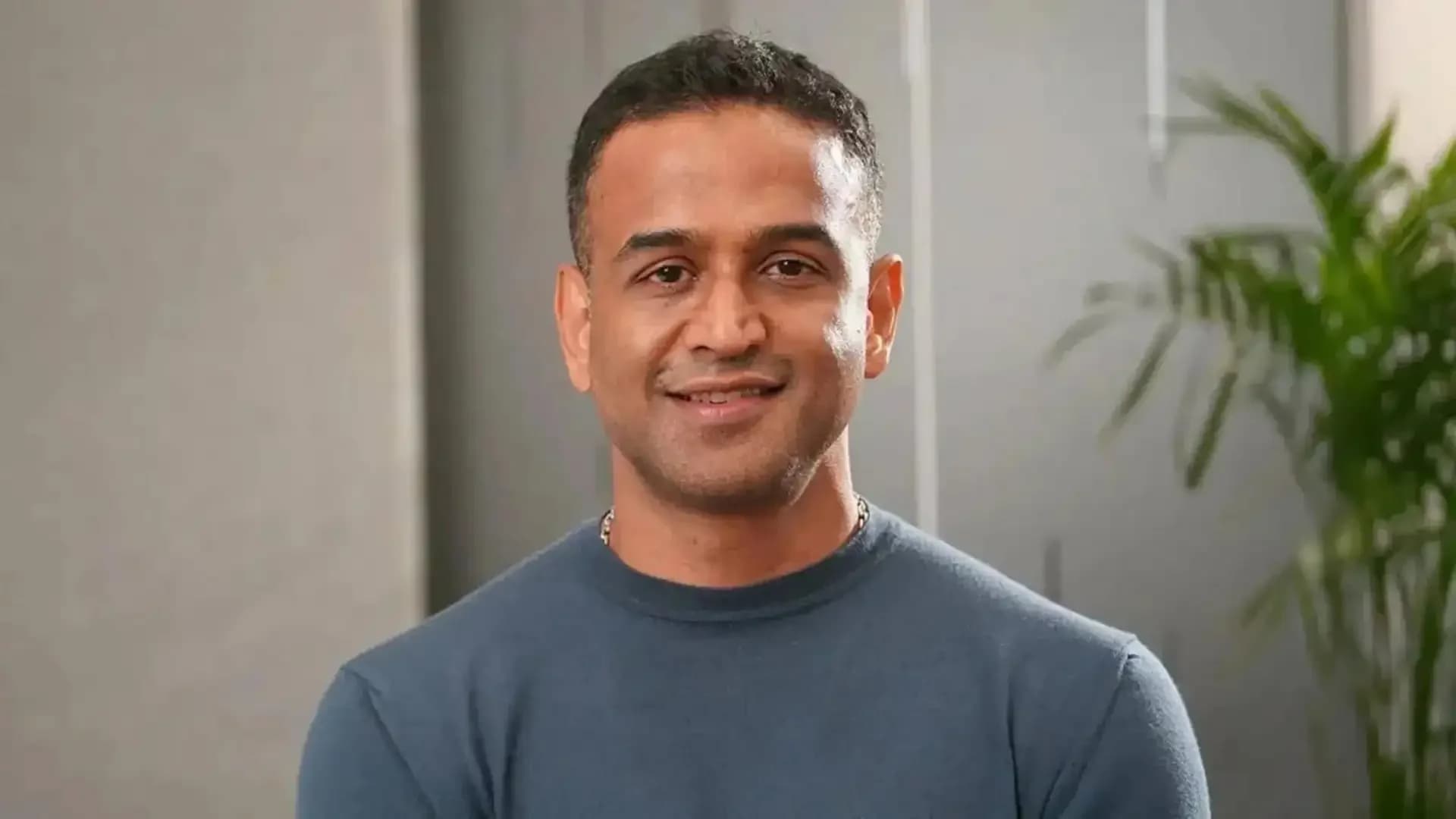
Zerodha founder and CEO Nithin Kamath has cautioned that the sharp rise in margin trading facility (MTF) exposure across brokerages could pose a significant risk to India's stock market ecosystem amid highly volatile market conditions. In a detailed post on X, Kamath warned that 'MTF seems like easy money for the brokers. But the Risk Management team at brokers has to make sure that on one bad day, you don't give it all back.' According to reports from ET Now, Kamath noted that MTF books are expanding rapidly despite Indian equities moving largely sideways in recent months. The Zerodha co-founder contrasted the current scenario with markets such as South Korea, where investors have taken on heavy leverage amid a strong rally, stating that 'This isn't like the Korean markets, for example, where the markets are up 150 per cent in the last year alone, and people are borrowing to ride that rally. Our situation is different.'
Kamath highlighted the critical risk of stock illiquidity during sharp market corrections, explaining that 'The big risk with MTF is the risk of the stock becoming illiquid in case there's a sharp market fall.' He demonstrated this risk through a practical example, stating that 'A customer pledges Stock A, gets 80% margin on it, and uses that to take further positions worth 400% in the same stock.' The MTF product has expanded rapidly over the past two years amid rising retail participation in equities, with investors increasingly leveraging it to boost returns, particularly in mid-cap and small-cap stocks. MTF enables investors to purchase stocks by borrowing money from brokers, using pledged shares or margin as collateral. According to LiveMint, Kamath warned that risks intensify when investors use pledged shares as collateral to build even larger leveraged positions in the same stock, with such structures becoming especially dangerous in mid-cap and small-cap counters where liquidity is lower and circuit filters can prevent exits during periods of extreme volatility.
According to Kamath's assessment reported by ET Now, nearly 50 per cent of the industry's MTF exposure is currently concentrated in non-futures-and-options stocks, a segment typically seen as less liquid compared to large-cap F&O counters. The Zerodha founder noted that while his brokerage still does not permit customers to use collateral margin for MTF purchases, competitive pressure in the industry may eventually force a change. He added that Zerodha's own MTF book has grown significantly over the past 16 months but still stands at about 25 per cent of the company's net worth, while for some brokers, MTF exposure could be as high as 500 per cent of net worth, which is the maximum limit permitted under current regulatory norms. Kamath emphasized that 'There's significant risk on the customer, but also on the broker. While our MTF book has grown meaningfully over the last 16 months, it's still only about 25% of our networth. For some brokers, this number could be closer to 500% which is the maximum regulator allows.'
The MTF warnings come as India faces multiple economic pressures, with the rupee hitting a record low amid foreign investor outflows. According to PTI, net equity outflows in 2026 have already reached $23.2 billion, crossing last year's total of $18.9 billion, as Foreign Institutional Investors withdraw money from Indian stocks amid geo-political uncertainties. India's gold imports surged 81.69 per cent year-on-year to $5.62 billion in April, driven by high precious metal prices, though imports may decline following the government's sharp increase in customs duty. The Reserve Bank has been intervening in the forex market to check excessive volatility, resulting in depletion of foreign exchange reserves, as a falling rupee, rising fuel prices and widening deficits create a cycle that slows growth while raising inflation. As per LiveMint, India's cash market trading volumes have moderated after last year's strong rally, even as leveraged products such as derivatives and MTF continue to witness elevated activity across the market.