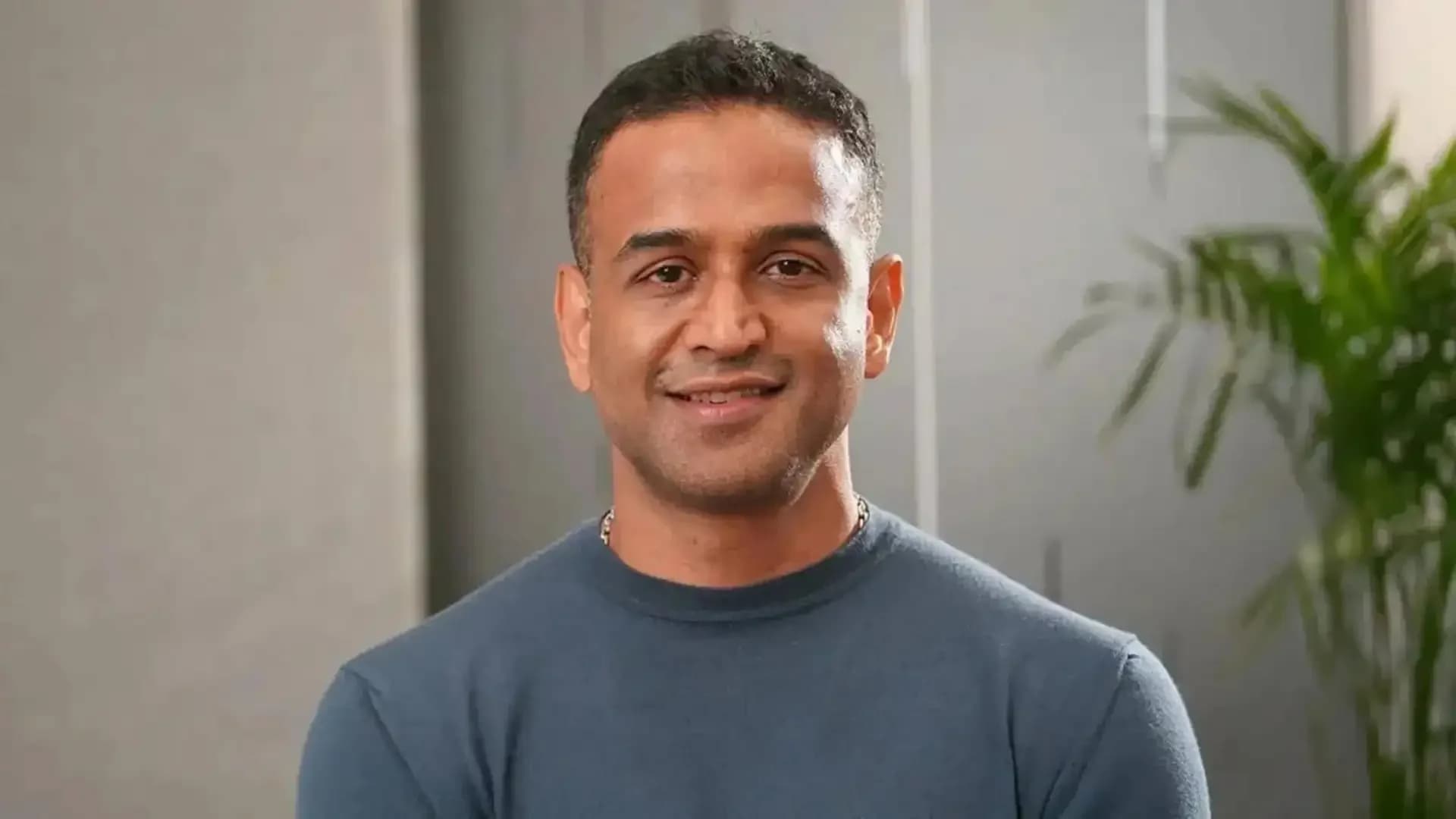
Zerodha co-founder Nithin Kamath has issued a stark warning about the rapid growth of margin trading funding (MTF) in India, calling it his 'biggest nightmare as a broker'. According to reports from CNBC TV18, ET Now, and LiveMint, Kamath cautioned that forced selling, liquidity constraints and rising leverage may intensify losses despite SEBI's safeguards. The warning comes as the MTF book has grown significantly alongside the rest of the industry, with Kamath noting that margin trading has gained popularity only over the past three to four years, and India has not seen a sharp crash like the COVID selloff during this period. As per LiveMint, Kamath emphasized that 'The source of my nightmare is the way our MTF book has been growing along with the industry' and that 'In terms of pure risk, MTF is by far the biggest risk we have taken since we started in 2010'. Drawing parallels with recent turmoil in South Korean markets, Kamath warned that his 'biggest nightmare as a broker' is seeing a similar sequence play out in India as leverage builds across the financial system.
Kamath revealed that Zerodha's MTF book stands at about ₹9,000 crore, representing what he described as 'the biggest risk we have taken since we started in 2010'. As reported by CNBC TV18, ET Now, and LiveMint, at least half of this exposure is in non-F&O stocks, which makes the risk sharper because these shares can hit lower circuits every day and may not give investors or brokers an easy exit. This concentration in non-F&O segments creates additional complexity for risk management, with brokers typically offering MTF on about 1,500 stocks across the market. The wide coverage means leverage is no longer limited to only the most liquid names, amplifying the overall systemic risk. Meanwhile, rival Groww had an outstanding MTF book of ₹3,775 crore at the end of June 2026, translating into a market share of nearly 3%, according to CNBC TV18.
Kamath explained the dangerous dynamics of leveraged markets using Korea as a cautionary example, stating that when markets rise very sharply, investors borrow more because the value of their holdings increases, creating high leverage. As reported by ET Now and LiveMint, he added that 'The problem with Korea is the one-way rally. When markets go up so sharply, leverage builds up... When the markets fall, things get really ugly'. According to LiveMint, Kamath warned that falling markets trigger margin calls, forced selling, and a dangerous downward loop, made worse by leveraged ETFs and derivatives. This contrasts with highly liquid largecap derivatives stocks where forced exits are easier to manage. Kamath explained that in non-F&O small- and midcap counters, a falling market can freeze liquidity, making the risk particularly acute in these segments. The problem is compounded by the fact that brokers typically offer MTF on about 1,500 stocks, meaning leverage is no longer concentrated in only the most liquid names. Korea's market meltdown was fuelled by leveraged ETFs on Samsung & SK Hynix, while India's version is MTF lending, highlighting the different but equally dangerous dynamics of leveraged products across different markets.
The MTF boom has reached unprecedented levels across Indian exchanges, with the combined outstanding MTF book across NSE and BSE climbing to a record ₹1.44 lakh crore, representing a 23% increase so far this year after surging 36% in 2025, as reported by CNBC TV18. Notably, the top 128 stocks account for nearly half of the industry's total MTF exposure, highlighting the concentration of leverage in large-cap segments. This growth trajectory mirrors the pattern observed by Kamath, who noted that margin trading has gained popularity only over the past three to four years. The widespread adoption across nearly 1,500 stocks means leverage is no longer concentrated in only the most liquid names, making the overall systemic risk particularly acute. As reported by LiveMint, Kamath shared that MTF has become very popular only in the last 3-4 years and warned that if the Indian market falls sharply, it could lead to heavy selling pressure, especially in small and mid-cap stocks.
Despite the growing MTF risks, Kamath acknowledged that India has avoided the worst excesses of unchecked leverage because of SEBI's regulatory framework. According to CNBC TV18, ET Now, and LiveMint, he noted that 'Luckily, thanks to Sebi, we've avoided the worst excesses that typically arise from unchecked leverage'. The warning comes after a strong run in several pockets of the Indian market, especially smaller companies, where retail participation has stayed high, with Kamath expressing concern about the speed at which leverage can unwind when too many investors are forced to sell at the same time. Even though MTF represents a relatively small proportion of total market capitalisation, he warned that a sharp fall in Indian equities could cause severe selloffs across many small- and mid-cap stocks. Kamath credited SEBI's measures with helping avoid the kind of unchecked borrowing seen in some overseas markets, noting that prolonged market rallies often encourage investors to take on higher leverage as rising collateral values allow them to borrow more, with the risk further amplified when leveraged products such as derivatives and leveraged ETFs magnify both gains and losses.