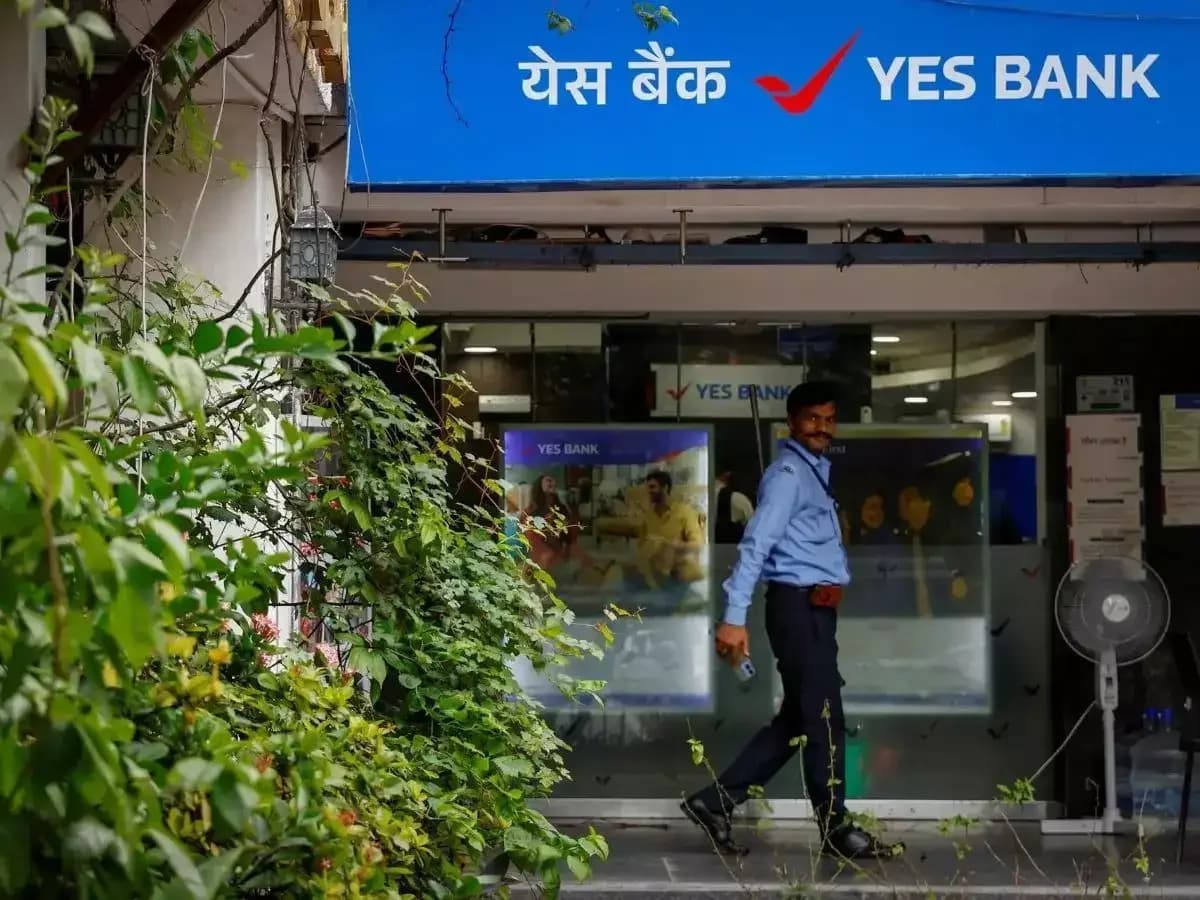
Yes Bank shares gained 6% in Friday's trade on November 6, settling at ₹17.26 per share and extending their winning streak to a third consecutive session. According to reports from LiveMint, the rally also lifted the stock's weekly returns to 14%, marking a sharp reversal after seven consecutive weeks of losses. The recovery came amid unusually high trading volumes, with around 514 million shares changing hands across BSE and NSE during the session, nearly 3.78 times the stock's weekly average volume.
The recent rally followed a sharp October decline when Yes Bank shares fell 28% after the Supreme Court upheld the Bombay High Court judgment against the write-off of ₹8,415 crore worth of Additional Tier-1 (AT-1) bonds. As reported by LiveMint, the verdict marked a significant victory for bondholders whose investments were written off during the bank's rescue six years ago. On October 15, the apex court dismissed appeals filed by Yes Bank, the Reserve Bank of India (RBI), and the Union government, upholding the Bombay High Court's January 20, 2023, judgment on the matter.

The ruling raised concerns about the potential impact on Yes Bank's capital position, with the bank stating that its Common Equity Tier 1 (CET1) capital ratio could decline by around 250 basis points. According to LiveMint, however, the bank's overall Tier 1 capital ratio is expected to remain unchanged at 14% on a pro forma basis. The Supreme Court's decision has left investors assessing both the potential capital implications for Yes Bank and the unresolved question of coupon payments to bondholders.
In a follow-up development, Yes Bank is unlikely to pay coupons due this year on its AT-1 bonds despite the Supreme Court ruling overturning their write-off, as reported by Reuters. The bank is preparing to seek a review of the ruling, with bondholders pressing for payment of coupons that have remained unpaid since the bonds were written off in 2020. Retail investors holding the bonds said they had not received coupon payments due on October 18, seeking clarity from Axis Trustee Services and urging intervention from the debenture trustee.