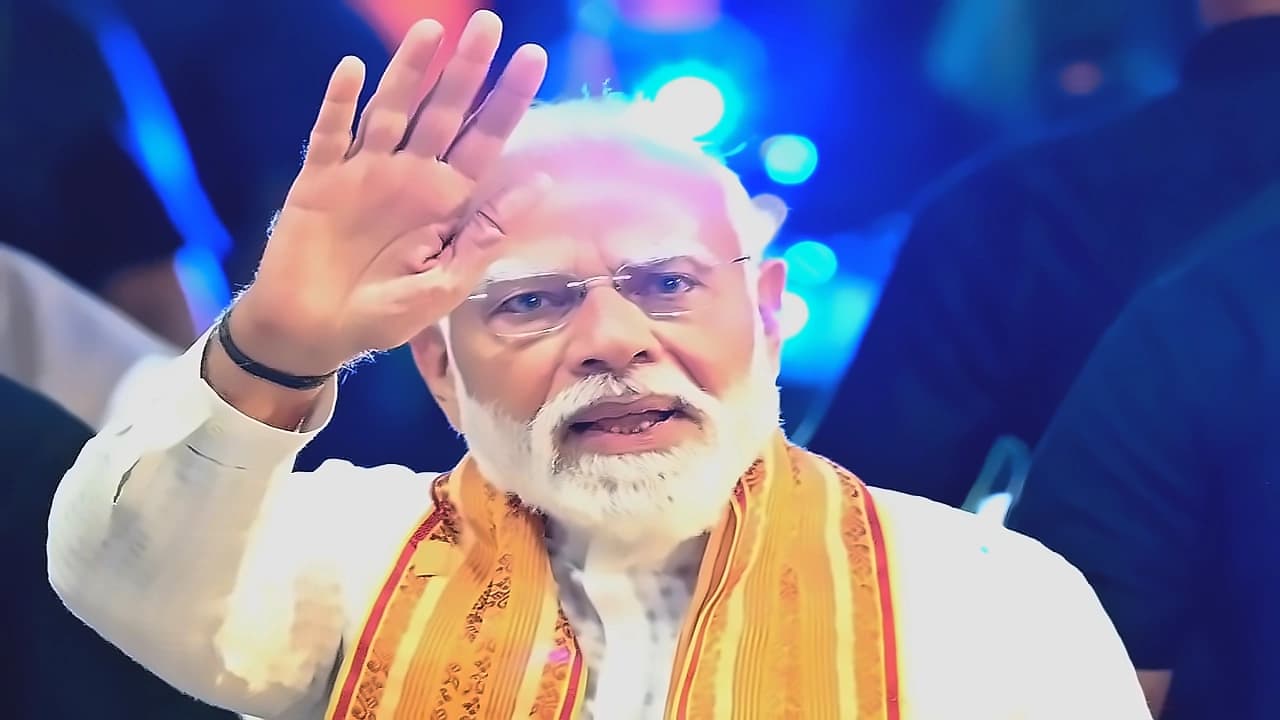
Travel and hospitality shares extended their decline for the third consecutive session on Monday, with stocks such as SpiceJet, InterGlobe Aviation, Indian Hotels Company Ltd and Lemon Tree Hotels falling up to 5 percent after Prime Minister Narendra Modi called for Indian citizens to postpone overseas travel for a year to save foreign exchange amid the ongoing West Asia crisis. According to reports from Devdiscourse, Modi emphasized the need for judicious use of resources and urged citizens to defer luxury expenditures such as gold purchases and foreign holidays, raising significant concerns over the outlook for travel and hospitality companies as lower discretionary spending could affect demand in the sector. The Prime Minister made this request during a public meeting on May 10 after inaugurating infrastructure projects in Secunderabad city, warning of growing economic uncertainty as geopolitical tensions in West Asia pushed up oil and fertiliser prices.
Among travel-related stocks, Yatra Online fell 5.41 percent to ₹97.70 per share, while Thomas Cook declined 3.88 percent on the BSE. As reported by Devdiscourse, Easy Trip Planners declined 4.3 percent to ₹7.35. In the aviation segment, SpiceJet declined 4.72 percent, while InterGlobe Aviation fell 4.94 percent. In the hospitality segment, ITC Hotels slipped 3.5 percent to ₹153.75, while Indian Hotels Company Ltd dropped 4.14 percent to ₹633.95. Lemon Tree Hotels traded 3 percent lower at ₹112.44, and Indian Railway Catering and Tourism Corporation also fell 4 percent to ₹534.75. The weakness in travel and aviation stocks came as Brent crude prices climbed 3 percent to USD 104.4 per barrel, amplifying investor concerns about the sector's outlook.
The surge in oil prices, combined with geopolitical tensions in West Asia, has created additional pressure on companies dependent on international travel and tourism. As reported by The Straits Times, global crude oil prices have surged from around US$70 per barrel to nearly US$126 per barrel in recent weeks, with India's import bill ballooning significantly. The country imports around 85 percent of its crude oil needs, making it highly vulnerable to price volatility. Defence Minister Rajnath Singh confirmed on May 11 that India has 60 days of crude oil and natural gas reserves and 45 days of petroleum gas. The fragile ceasefire in West Asia, a region from which India imports a significant portion of its crude oil and gas requirements, continues to disrupt global supply chains and push up oil prices, as noted by Prime Minister Modi in his recent address.
Modi described the situation as one of the major crises of this decade but expressed optimism about India's ability to overcome it. As reported by Moneycontrol, he said the government was making efforts to minimise the impact of the crisis on citizens and called for public participation in dealing with the situation. The Prime Minister also appealed to people to avoid foreign vacations and destination weddings abroad, saying such activities involve substantial foreign exchange outflows. He stressed the need to prioritise virtual meetings and work-from-home arrangements in government and private offices, noting that digital technology had made several activities easier. The rising oil prices, global uncertainty and costlier imports have put the Indian rupee under heavy pressure, weakening to near-record low levels at ₹94.9 against the US dollar as of May 11. India's foreign exchange reserves stand at US$703 billion, while the country's current account deficit faces pressure from substantial dollar outflows through gold purchases and foreign travel.
The austerity requests come after elections in key Indian states, a likely strategic move to avoid political fallout from acknowledging the severity of the crisis facing the Modi government. As reported by The Straits Times, analysts predict the government might hike fuel prices soon, with Crisil's chief economist noting that a price signal for demand management through petrol and diesel price hikes is likely next. The PM's appeal to reduce gold purchases during festivals for a year has surprised many, as gold accounts for 9 percent of India's import bill, with the country purchasing more than 700 tonnes annually and importing more than 90 percent of requirements. In 2025, a record 32.7 million Indians travelled abroad, up from 30.8 million in 2024, with the UAE, Saudi Arabia and Thailand being top destinations. Geojit Investments' chief investment strategist noted that the PM's appeal to the nation is a crisis management response to the current account deficit problem and has slightly negative implications for economic growth in fiscal year 2027, with industries related to austerity like petroleum, chemical fertilisers, gold, air travel, hotel and related sectors being impacted.