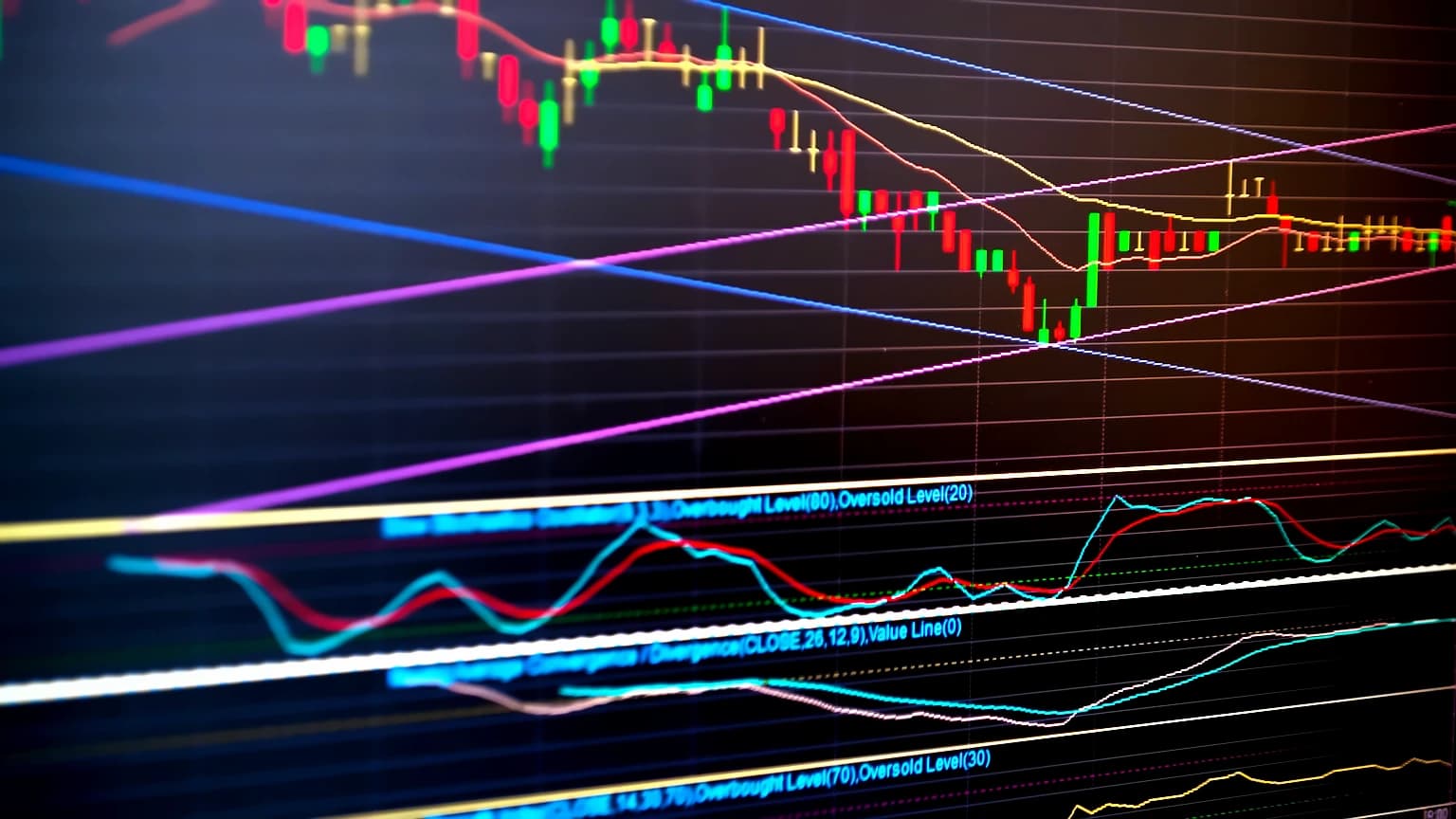
US semiconductor stocks extended their losses in Friday's pre-market session, with AMD falling 13.3%, Micron Technology losing 13.9%, and Broadcom dropping 12.2%. The selling followed a steep reversal in Anthropic shares after their blockbuster market debut, with the company's stock tumbling 9% to $88.87, leaving it just 7.1% above its IPO price and valuing the company at approximately $1.6 trillion based on fully diluted shares. The PHLX Semiconductor Index slid 10.7%, as investors reassess exposure to the semiconductor industry. Nvidia plunged 14.01% on Friday to close at $125.53, extending its losing streak to seven consecutive weeks - its longest since the 2008 global financial crisis. The stock has declined approximately 28% since November 12 when founder Jensen Huang's resignation was announced, erasing more than $1 trillion in market capitalization and causing Nvidia to slip to fourth place behind Apple, Microsoft and Alphabet.

The technology carnage was extensive, with the Nasdaq Composite plunging 5.3% on Friday, turning negative for the year, while the S&P 500 tumbled 3.7% and the Dow Jones Industrial Average declined 1.9%. This marked one of Wall Street's worst trading sessions in more than a year, with the Nasdaq now down almost 2% in 2026, relinquishing an annual gain of almost 19% through early October. According to Reuters, the retreat partly reflects expectations that high inflation readings will force the Federal Reserve to raise interest rates in coming months, likely further increasing borrowing costs and compressing valuations. Markets were pricing in a 98.4% probability of a December rate hike, according to CME FedWatch data cited by Reuters. The retreat highlights the shift in fortunes since the Nasdaq hit its last high on October 6, with a handful of AI-related heavyweights having accounted for most of the S&P 500's gains for much of 2026.
The retreat has prompted a significant rotation away from technology stocks toward value investments, with the S&P 500 value index up 8% in 2026, compared to a 2% drop in the S&P 500 growth index. This puts cautious value investing on track to beat growth for the first time since 2022, when inflation fears sent Wall Street into its worst slump since the 2008 financial crisis. The median S&P 500 stock now is up almost 7% in 2026, beating the 2% year-to-date gain in the S&P 500, which has been hobbled by a 46% slump in Nvidia and deep declines in other AI stocks. According to Reuters, the flight to value stocks and Treasury notes, which rallied sharply on Friday, represents a classic flight-to-safety trade as investors move out of AI stocks into Treasury securities.
The contrasting fortunes of Nvidia and Anthropic reveal stark differences in financial performance despite operating in interconnected AI ecosystems. Nvidia reported third-quarter fiscal 2027 revenue of $115.8 billion, representing 103% year-on-year growth and a 20% sequential increase, with data center business generating $107.6 billion. Net income stood at $65.3 billion, while GAAP gross margins reached 74.8%, with Interim CEO Colette Kress guiding for fourth-quarter revenue of $130 billion. In contrast, Anthropic delivered much faster percentage revenue growth but faces substantial costs - third-quarter 2026 revenue surged 1,127% year-on-year to $16.96 billion, with computing expenses accounting for approximately 58% of third-quarter revenue, contributing to an operating loss of $567 million. The company also reported a nine-month net loss of $104 billion, including $94.3 billion in non-cash fair-value adjustments on convertible notes.
The simultaneous declines in Nvidia and Anthropic underline broader investor concerns about whether enormous capital being poured into AI infrastructure and model development will generate sustainable returns. Nvidia designs graphics processing units and data center systems, while Anthropic develops Claude AI models serving more than 11,900 customers spending over $100,000 annually, including more than 1,900 accounts spending over $1 million. Despite their different business models, the companies are financially connected - Nvidia committed $10 billion to Anthropic's concurrent private placement at $83 per share. The pressure coincided with Anthropic's $81.34 billion IPO representing the largest AI-related offering to date, with shares opening at $111.50 on debut before closing at $88.91 on Friday's broader selloff. According to Goldman Sachs, the de-rating of companies tied to the AI infrastructure theme had begun much before the recent scandal, with these companies having been the biggest market beneficiaries in the first half of 2026.